
Pond Water Monster Hunt: Find the Beasts Living in a Single Drop
There's a food chain fighting for its life in the water you almost stepped in.
About This Quest
Scoop murky water from a pond, puddle, or birdbath, then put one drop under a microscope and watch it turn into a wrestling match. Rotifers, paramecia, water fleas with visible heartbeats — all of it in a droplet you could flick off your finger.
Pond water looks empty. It is not remotely empty. A single drop off the end of an eyedropper holds a crowded neighborhood: rotifers with spinning mouth-wheels that look like tiny propellers, paramecia shaped like slippers that blunder into things and reverse, Daphnia (water fleas) so transparent you can watch the heart beat and the gut move food along. The first time you find a rotifer anchored to a strand of algae, whipping its cilia in a blur, the whole idea of 'boring pond' dies. The trick is where you scoop. Clear, open water in the middle of a pond is the worst sample you can take — it's the desert. You want the green stuff: the slimy film on a submerged rock, the gunk clinging to reed stems near the bank, the bottom layer of a birdbath nobody has cleaned in a month. Squeeze a handful of pond weed into your jar and you've concentrated a week's worth of organisms into a few milliliters. A neglected flowerpot saucer or a rain barrel works almost as well as a real pond, which is why this quest survives even if your nearest water is a puddle behind a parking lot. Budget 90 minutes at the screen, not 20. The first ten minutes are always disappointing because you're looking at the wrong focal plane — living things swim in three dimensions and drift in and out of focus constantly. Once your hand learns the focus wheel, the drop deepens and the traffic appears. Start at low magnification to find something moving, then climb. Prepared slides of known specimens are worth having beside you as a reference: when you see something and can't tell if it's a bug leg or an algae filament, comparing it against a labeled slide settles the argument fast.
Why This Quest Matters
The moment you find a rotifer anchored to an algae strand, its mouth-wheels whipping in a blur, the idea of 'boring pond water' dies permanently. You'll watch a Daphnia's heart beat through its transparent body and see a paramecium blunder into an obstacle and reverse — a whole food chain fighting for its life in a drop you'd have stepped over. Best of all, this works on the puddle behind a parking lot, so the invisible world is never more than a jar away.
What You'll Experience
- Where to scoop for dense samples — green film, weed, sediment
- Wet mount technique: single drop, angled cover slip, no bubbles
- Layer sampling: surface scum vs mid-water vs bottom sediment
- Telling rotifers, ciliates, nematodes and Daphnia apart by movement
- Baiting a jar with rice or yeast to trigger a population bloom
What You'll Need
Top gear to make this quest great.
Pull it off
Kids Microscope, 2.4" Screen Handheld Digital Microscope 600X with 4K Camera & 8 LED Light
The screen is the whole point — everyone crowds around and watches the same rotifer at once instead of fighting over an eyepiece, and you can record video clips, which is how you actually ID fast-moving organisms later.
Get on Amazon · $24.99 — Kids Microscope, 2.4" Screen Handheld Digital Microscope 600X with 4K Camera & 8 LED Light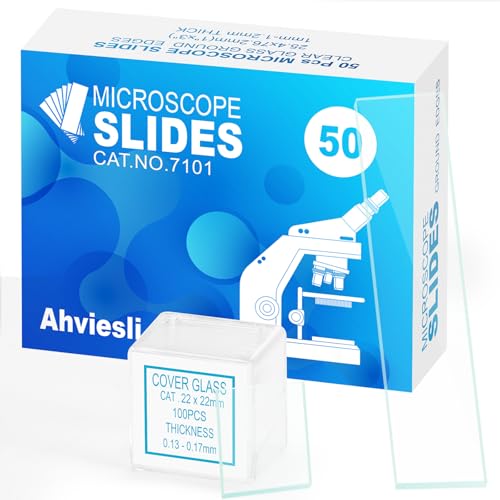
You will burn through slides — every water source needs three mounts minimum, and a drop with a cover slip stays flat and in focus instead of doming up and blurring. Pre-cleaned matters: dust looks exactly like microfauna to a beginner.
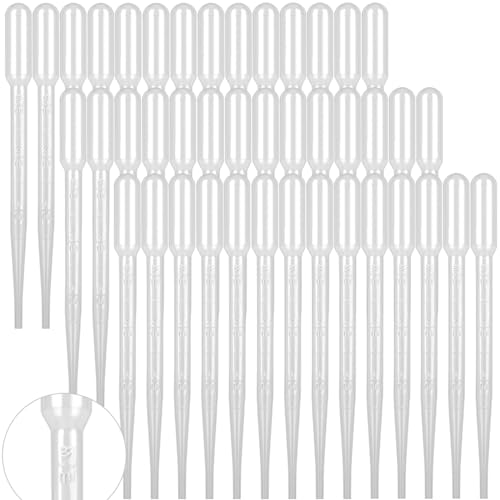
Lets you pull from a specific layer — bottom sediment versus surface scum — without stirring the jar into one uniform soup. One pipette per water source keeps your samples honest.
As an Amazon Associate I earn from qualifying purchases. Prices may change.
Safety Tips
- The blank slides have polished edges and 45-degree clipped corners, which makes them safer to handle, but cover slips are thin glass and snap easily — press them down with a tissue over your fingertip, not a bare nail, and bin any chipped ones instead of reusing them.
- The 3ml pipettes are disposable, so treat one pipette as one sample layer and throw it out rather than rinsing and reusing it between a sediment draw and a surface draw; wash hands after handling any stagnant water, especially rain barrel or ditch samples.
Step-by-Step Guide
Scout three different waters
Pick a pond or stream edge, something stagnant like a birdbath, rain barrel or forgotten plant saucer, and one puddle or roadside ditch. Different water breeds different monsters, so don't settle for a single source.
💡 Pro Tips:
- • A neglected flowerpot saucer can out-perform a real pond
- • Clear open water in the middle of a pond is the desert — skip it
Scoop the gunk, not the clear water
Dip your jar low beside submerged plants, scrape the green film off a rock with your finger, and pull a few strands of pond weed into the jar, squeezing them underwater before you toss them out. Fill jars only two-thirds full and label each with tape: source plus time.
💡 Pro Tips:
- • Keep jars out of direct sun on the way home — cooked samples go still within an hour
Let the jars settle and sort
Stand each jar undisturbed indoors at room temperature for 30 minutes. The organisms will separate themselves into layers: swimmers drifting toward the light, heavier debris on the bottom, a scum ring riding the surface.
Mount a drop from the sediment
Squeeze the bulb of a 3ml dropper pipette before pushing the tip into the bottom layer so you don't blast the sediment apart, then release one drop onto a clean glass slide and lower a cover slip at an angle to avoid a big air bubble. Blot the overflow with a tissue corner — with 50 slides and 100 cover slips, don't ration them.
💡 Pro Tips:
- • Use a fresh pipette for each layer so you don't cross-contaminate
Hunt movement, then climb magnification
Start the DM302K at its lowest setting and sweep the 4.3-inch screen for anything twitching, spinning or darting before you chase detail, then center it and step up toward 800X. Budget 90 minutes, not 20 — the first ten are always empty because you're on the wrong focal plane.
💡 Pro Tips:
- • Put a labeled prepared slide on the stage first so your eye knows what a real rotifer or ciliate looks like
- • Shoot short video clips rather than stills — motion is the ID clue
Bait a jar and log the finds
Sketch your top five shapes with size notes and one-line behavior descriptions like 'spins in place' or 'crawls like an inchworm', then drop a few grains of uncooked rice or a pinch of dried yeast into one jar, cap it loosely and leave it 3-5 days for the bacterial bloom and the predators that follow. Post your best finds to iNaturalist with location and water source, pour samples back where you found them, and wash your slides in warm soapy water to air dry.
💡 Pro Tips:
- • Carry the 600X pocket scope on the next trip to check green film right at the water's edge
- • Microorganism records from ordinary urban water are genuinely underreported
Gear Up for Your Quest
The gear that makes this quest work.
Pull it off

Kids Microscope, 2.4" Screen Handheld Digital Microscope 600X with 4K Camera & 8 LED Light
The screen is the whole point — everyone crowds around and watches the same rotifer at once instead of fighting over an eyepiece, and you can record video clips, which is how you actually ID fast-moving organisms later.
Get on Amazon · $24.99 — Kids Microscope, 2.4" Screen Handheld Digital Microscope 600X with 4K Camera & 8 LED Lightdetails & deals →+ complete the kit — 4 more

Microscope Slides and Covers Kit – 50 Blank Pre-Cleaned Glass Slides for Microscope, 100 Cover Slips
EssentialPopularYou will burn through slides — every water source needs three mounts minimum, and a drop with a cover slip stays flat and in focus instead of doming up and blurring. Pre-cleaned matters: dust looks exactly like microfauna to a beginner.
50 pre-cleaned blank glass slides plus 100 cover slips.
Get on Amazon · $6.29 — Microscope Slides and Covers Kit – 50 Blank Pre-Cleaned Glass Slides for Microscope, 100 Cover Slipsdetails & deals →
Lets you pull from a specific layer — bottom sediment versus surface scum — without stirring the jar into one uniform soup. One pipette per water source keeps your samples honest.
Disposable graduated eyedroppers, roughly 3ml each.
Get on Amazon · $6.09 — Plastic transfer pipettes (pack of 100)details & deals →
This is your answer key. When you can't tell whether the wiggling thing is a nematode or a hair, you check it against a labeled reference slide. Without a known baseline, beginners spend an hour excitedly studying lint.
60 professionally prepared and labeled slides of animal, plant and insect specimens.
Get on Amazon · $33.98 — Microscope Slides with Specimens for Kids, 60 Lab-Grade Prepared Microscope Slidesdetails & deals →
Upgrade pick for the long session. The bigger screen and fixed stage mean you can keep both hands on the focus wheel and slide instead of steadying a handheld unit — critical when you're tracking something that swims. Extra magnification brings out cilia and internal organs in Daphnia.
Desktop digital microscope with a 4.3-inch screen, 800x magnification and a stable stage.
Get on Amazon · $69.99 — TOMLOV DM302K Microscope for Kids, 800X Science Kit, 4.3" Screen STEM Toydetails & deals →RELATED GEAR GUIDE
Stargazing Gear for Beginners: 6 Picks to See More Sky
Field-tested picks · Nature & Outdoors
As an Amazon Associate, IRL Sidequests earns from qualifying purchases at no extra cost to you.
Prices and availability are subject to change. The price shown at checkout on Amazon at the time of purchase will apply.
Editor's Picks
Hand-selected quests our team thinks you'll love

Urban Ecosystem Knowledge: Map Your City's Hidden Wildlife
Your neighborhood has more species than you think—time to prove it.

Urban Wildlife & Nature Connection Hub
Your city's wilder than you think—you just need to know where to look.

Urban Biodiversity Mapping & Citizen Science Hub
Your neighborhood harbors more species than you think—and scientists need your eyes on the ground.
Not this one?
Get a different side quest in 30 seconds
Tell the generator how much time you have, who you're with, and your mood — it picks from 500+ quests like this one.
Try the real life side quest generator