With your partner, map one rocky shelf and tally how many different kinds of creatures you find across its high, middle and low bands. Call out each new one as you spot it, then hold up the finished map together before you walk off the rock.
Bonus challenge: Photograph your three strangest finds and let iNaturalist tell you what they were.
Accept this questSaves it to your list, no account needed.
Time
2 hours
Cost
Free with your own gear
Starter gear from $111
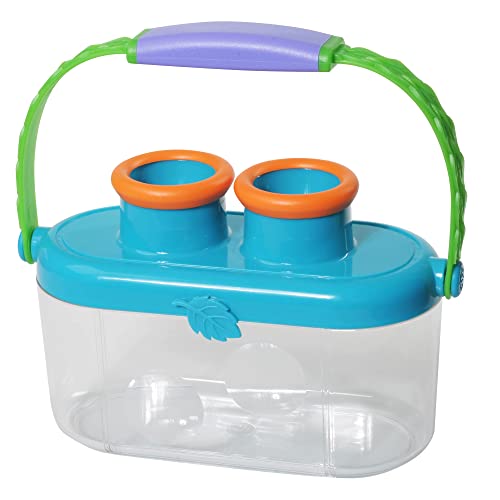
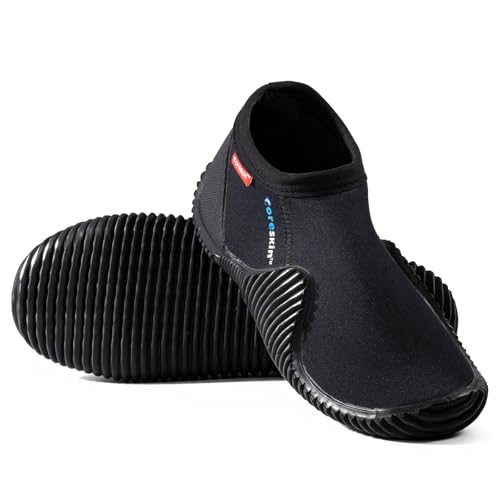
The beach is free. Grippy neoprene dive boots, cut-resistant socks, a dive mask and a magnifying jar are one-time buys, roughly $100–115 together. After that each trip costs nothing but paper and a pencil.
friends, date night, family, solo · Ages 10+ with an adult; everyone goes in pairs, never alone
Level
Beginner
Where
Outdoor
Season
Spring-Fall
Spring and early summer bring the lowest daytime 'minus tides' on most coasts. Winter lows often happen after dark or in brutal surf — check your local tide table before committing.
About This Quest
Grab a friend and head to a rocky beach on the lowest tide of the month. You'll pick one shelf about the size of two parking spaces, sketch it on paper, and hunt down every kind of creature living on it before the water comes back.
For about two hours a month, the ocean pulls back far enough to hand you a whole neighborhood of animals that are usually underwater. Anemones, mussels, limpets, maybe a crab glaring at you from under a ledge.
You and your survey partner will claim one rocky shelf, draw a rough map of it, then work down the rock in three bands and tally how many different kinds of creatures you can spot. No biology background needed, and pretty much everything you need is on the rock already. Your mission: fill that map before the tide takes the shelf back.
Why This Quest Matters
Most people walk past a rocky beach and see wet rock. Spend ninety minutes on your hands and knees on one small shelf with a friend and you'll find a dozen kinds of life sharing a space smaller than your kitchen. The surprise isn't how much is there. It's that it was always there, and you finally looked.
What You'll Experience
Beat the clock: Work one shelf while the ocean is away, then watch it disappear again.
Kill the glare: Press a dive mask flat to a pool and the hidden animals pop into view.
Meet a hermit crab: Scoop one into a magnifying jar, count its legs, tip it gently home.
Draw your own map: Turn a slab of wet rock into a hand-sketched chart of who lives where.
As an Amazon Associate I earn from qualifying purchases. Prices may change.
Before You Begin
The whole quest hangs on one number: the tide. Look up your exact beach on NOAA Tides & Currents or a tide app and find a daytime low of 0.0 feet or lower, then check the surf forecast too, because a calm chart with big waves still means stay home. Essentials: grippy neoprene dive boots, cut-resistant Kevlar socks to wear under them, a dive mask with a single glass lens, a clear magnifying observation jar, and paper on a board with a pencil (salt water wrecks pen ink). A second magnifying box helps two people work at once. Check whether your beach is a marine protected area, state park or tribal land; many ban collecting or rock-flipping, so follow the posted rules.
Safety Tips
A good quest stays a good story. These are general notes; your gear's manual, the venue's rules and local law come first.
Be on the rock no earlier than 90 minutes before the low, and off it within 45 minutes after. Getting cut off by a rising tide is how people drown here.
Never survey alone. Go with a partner, and tell someone on shore which beach you're on and what time you'll be off the rock.
Scout from the bluff or seawall first and rule out any shelf with surge channels, foam, or waves washing across it. Know your walking route back to dry land before you step on.
Use the marked access path down to the beach. Do not scramble down a bluff or over a seawall.
Look, don't grab. Urchin spines, crab claws and small fish can cut or stab. Never pry anything off the rock, never move an animal to a different pool, and return every creature to its own pool within a minute or two.
Shallow pools mean flotation isn't needed, but cold water and slick algae are real. Boots with rubber soles and Kevlar socks underneath keep you upright and uncut, and respect any posted rules about handling wildlife.
Step-by-Step Guide
1
Pick Your Tide
10 min
This is the step that makes the rest possible. At home, pull up your exact beach on NOAA Tides & Currents or a tide app and find a daytime low of 0.0 feet or lower. Write down the exact minute of the low, then work out your window: 90 minutes before it, 45 minutes after. Check the surf forecast too, and text your partner the plan.
💡 Pro Tips:
• Spring and early summer bring the lowest daytime lows on most coasts. Winter lows often land after dark or in heavy surf, so skip those.
2
Claim Your Shelf
15 min
Arrive early and scout from the bluff or seawall before you go down the marked path. You're hunting for a flat bench about the size of two parking spaces with two or three visible pools on it. Rule out anything with surge channels, foam or waves washing over. Trace your walk back to dry land with your finger, then pull your Kevlar socks on, lace your boots snug, and step on.
💡 Pro Tips:
• Say your off-the-rock time out loud to your partner. Two people remembering one number is much safer than one.
3
Draw The Map
15 min
Before you look at a single animal, sketch your shelf in pencil. Outline the edges, mark which side faces land and which faces sea, draw the big cracks, blob in the pools, and add a north arrow. Then draw three horizontal bands across your sketch: HIGH for the dry barnacle zone, MID for the mussels and anemones, LOW for the seaweed. That's your scoresheet.
💡 Pro Tips:
• Pencil only. Pen ink smears into nothing the second salt water hits wet paper.
4
Work The High Band
10 min
Start at the top, where the rock looks most dead. Get on hands and knees and look closely at the dry barnacle crust, then check the vertical faces and the undersides of overhangs where limpets and little periwinkle snails hide. You're counting kinds, not individuals, so each new creature earns one mark in the HIGH band on your map. Call them out as you find them.
💡 Pro Tips:
• The high zone always looks empty from standing height. Everything up here shows up once your nose is twelve inches from the rock.
5
The Mask Trick
20 min
Here comes the best moment of the day. Move down to the middle band and press your dive mask lens flat against a pool's surface. The glare and reflection vanish and the pool turns into a lit aquarium: tube worms, tiny gobies, snails grazing. Scoop something small into your magnifying jar with a little seawater, take turns looking, sketch it, then tip it back into the same pool within a minute or two. Lift one fist-sized rock if local rules allow, then set it back exactly as it was, same side up.
💡 Pro Tips:
• Trade the jar back and forth and guess what each other found before you magnify it. Two pairs of eyes double the tally.
6
Race The Low Zone
20 min
The bottom of the tide is the shortest, richest window you'll get: seaweed forests, the animals that almost never see air. Work fast and glance at the water every sixty seconds, because this is the band that floods first. Add your last marks to the LOW band, then before you leave the rock, hold up the map with your partner, count the kinds you found, and photograph your strangest find.
💡 Pro Tips:
• One of you keeps watching the water while the other looks at the rock, then swap. Nobody loses track of the tide that way.
7
Off The Rock, Winners
10 min
Walk your planned route back to dry land well inside your 45-minute cutoff, boots still on until you're off the slick stuff. Label the map 'Survey 1' with the date, time and tide height, and your best guess at the water temperature. Then stand on the dry beach and watch your shelf slowly go under. That whole neighborhood you just mapped is back to being ocean.
💡 Pro Tips:
• Upload your photos to iNaturalist that evening. Other people will put names to the ones that stumped you.
You just mapped a stretch of coastline that only exists for a couple of hours a month. Post your three strangest finds and dare your partner to beat the tally on the next minus tide.
Pond Water Monster Hunt: Find the Beasts Living in a Single Drop
One jar of murky water. A surprising number of residents.
Grab a jar, a friend and an afternoon. You're going to scoop water from a pond edge, a birdbath and a ditch, then put single drops under a microscope and meet whatever lives in them. Spinning green balls. Darting specks. A see-through shrimp with a beating heart.
2 hours (30 min collecting, 90 min looking)FamilyGear from $63