IRL Sidequests
Urban Wild Edibles Database - Nature & Outdoors quest for Intermediate level adventurers

Urban Wild Edibles Database

Your city's growing food for free—you just need to know where to look.

About This Quest

Learn safe urban foraging by creating a personal database of edible plants in your city. Document, identify, and track wild food sources year-round.

Every city block has edible plants growing in sidewalk cracks, park edges, and forgotten corners. The trick isn't just knowing what's edible—it's building a living database that tracks where specific plants grow, when they're harvestable, and which specimens are safe from contamination. This quest teaches you to document urban wild edibles systematically, creating a resource you'll use for years. You'll learn the difference between chickweed and spurge (one's a salad green, one's toxic), why the dandelions near the bus stop are off-limits, and how to ID plants through multiple seasons. The best foragers I know don't memorize everything—they build detailed field records with photos, GPS coordinates, and harvest notes. That serviceberry tree that fruits in June? You'll know exactly which fence it's behind and when the berries hit peak ripeness. This isn't about survival skills or filling your dinner plate. It's about seeing your city differently—recognizing that wood sorrel tastes like green apples, that purslane's succulent leaves appear after summer rain, and that those 'weeds' the city sprays are often more nutritious than grocery store greens. Start with 5-10 species you can identify confidently, document them thoroughly, and expand from there.

Duration
2-3 hours per session, ongoing
Estimated Cost
$60+
Location
Outdoor
Season
Year-round
Family Friendly
All ages welcome

Step-by-Step Guide

1

Get a field guide specific to your region—not a generic national book. Cross-reference with online databases like iNaturalist or your state university extension. Spend 30 minutes learning the 3 deadliest plants in your area first. You need to recognize poison hemlock, pokeweed berries, and whatever's locally dangerous before you start looking for food.

2

Pick a neighborhood zone (your local park, a 5-block radius, an undeveloped lot) and walk it slowly. Look for common edibles: dandelions, plantain, chickweed, clover, purslane. When you find a candidate plant, photograph it from multiple angles—whole plant, close-up of leaves, stem structure, underside of leaves, any flowers or seeds.

3

Use PlantNet or Picture This for initial ID, but verify with physical field guides. Check at least 3 identifying characteristics. For each plant you confirm as edible, note: exact location (GPS coordinates), date, growth stage, surrounding environment, proximity to roads or treated areas. Mark contamination zones—anything within 50 feet of busy roads, treated lawns, or dog-walking hotspots.

4

Create database entries in your chosen system (digital spreadsheet, Notion, or specialized foraging apps). Include: common name, scientific name, location coordinates, photos, harvest season, edible parts, look-alike warnings, contamination assessment, quantity assessment (one plant vs. large patch), and your personal harvest dates. Add tasting notes when you try something—'lemony', 'bitter', 'mucilaginous' matter for future reference.

5

Return to logged plants weekly during growing season. Document changes—when flowers appear, when seeds set, when leaves get tough. Wood sorrel in April tastes completely different than August. Your database should track these patterns. After 4-6 weeks, you'll have seasonal data that makes you a better forager than someone with just a field guide.

6

Expand your database by adding 2-3 new species monthly. Focus on positive ID before tasting anything. Join a local foraging group's plant walk (search Meetup or Facebook) to verify your identifications with experienced foragers. Update contamination notes if you see lawn treatment flags or new construction.

Gear Up for Your Quest

Get everything you need to make this quest amazing.

Regional Wild Edibles Field Guide

Essential
$15-25

Waterproof, pocket-sized guide specific to your state or bioregion with detailed photos and look-alike warnings

Get This Item

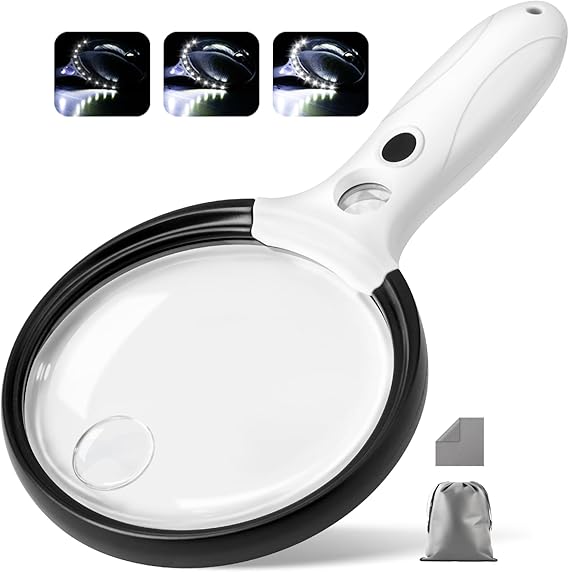
Hand Lens (10x-20x magnification)

Essential
$12-20

Folding magnifier with LED light for examining leaf margins, hair patterns, and stem structures

Get This Item

PlantNet or Picture This App (Premium)

Recommended
$30/year

AI-powered plant identification app with offline mode and detailed species information

Get This Item

GPS Coordinate App or Offline Maps (Gaia GPS, Avenza)

Recommended
$0-40/year

Mapping app that records precise locations and works offline with downloadable topographic maps

Get This Item

Silicone Harvest Bags (set of 3)

Optional
$18-25

Reusable, washable bags in different colors for separating species during field collection

Get This Item

💙 Shopping through these links helps support IRL Sidequests at no extra cost to you. Thanks for making adventures possible!