IRL Sidequests
Urban Wildlife & Nature Connection Hub - Nature & Outdoors quest for Beginner level adventurers

Urban Wildlife & Nature Connection Hub

Your city's wilder than you think—you just need to know where to look.

About This Quest

Learn to identify, track, and connect with urban wildlife in your city through ethical observation techniques and local ecosystem awareness.

Most people walk past raccoons, hawks, and foxes daily without noticing. Urban wildlife thrives in every city—peregrines nest on skyscrapers, coyotes cross highway overpasses at 3AM, and migratory warblers rest in parking lot trees. This quest teaches you to read your city like a naturalist: spotting scat patterns, identifying bird calls over traffic noise, and finding the invisible highways animals use through concrete jungles. You'll learn the morning rhythm matters—dawn brings songbirds and foraging mammals, while dusk shifts to nocturnal activity. Parks aren't always the best spots; drainage ditches, cemetery edges, and unused rail corridors often harbor more diversity. The skill is noticing: that scraped tree bark means deer territory, those scattered feathers show a hawk's breakfast spot, and that hole in the fence is a commuter route for possums. This isn't passive birdwatching. You're building a mental map of who lives where, when they move, and what they need. After a month, you'll recognize individual crows, know which intersection the red-tailed hawk hunts, and understand why certain streets flood with fireflies in June. Urban ecology is just ecology—and your neighborhood is the field site.

Duration
2-3 hours per session
Estimated Cost
$60+
Location
Outdoor
Season
Year-round
Family Friendly
All ages welcome

Step-by-Step Guide

1

Pick your observation zone—a 4-block radius around your home works best for consistency. Walk it once at dawn (30 minutes after sunrise) and once at dusk (30 minutes before sunset) to establish baseline activity patterns.

2

Document everything in the first week without trying to identify species. Focus on behaviors: What's scratching through leaf litter? What's calling from that tree? Where do you see droppings, tracks, or feather piles? Use your phone's voice memo while walking.

3

Get iNaturalist or Merlin Bird ID working before week two. When you spot something, photograph it with context—show the habitat, not just a zoomed blur. The apps need angles, lighting, and surroundings to give accurate IDs.

4

Map den sites, feeding areas, and travel corridors. Notice the scraped dirt under that chainlink gap—that's a pathway. See the clustered bird droppings under one specific branch? Roosting spot. Mark these on a paper map or Google MyMaps.

5

Learn three species deeply instead of twenty superficially. Pick one mammal, one bird, one insect group. Study their scat, calls, tracks, and seasonal patterns. You'll start recognizing their presence even when they're invisible.

6

Visit during weather shifts—right after rain, before storms, during first snow. Wildlife behavior changes, and you'll see who emerges when conditions shift. Early spring thaws bring out hibernators; summer heat pushes nocturnal animals into dawn activity.

7

Connect with local naturalist groups on Facebook or Meetup for species-specific intel. Someone's already tracking the hawk nest location or knows where the feral cat colony feeds. Skip the "nature walk" events—find the hardcore birder threads.

8

Set up a simple trail camera if you've got access to a consistent spot like a backyard edge or park corner. Mount it on a tree facing a game trail or water source. Check weekly, adjust angle based on what you're missing.

9

Document seasonal changes in the same locations. That empty lot in July might explode with monarch butterflies in September. The creek that's dead in August could host spawning salamanders in March.

10

Practice ethical observation—stay on paths, never chase or corner animals, keep dogs leashed in sensitive areas. If an animal changes behavior because of you, you're too close. Back up fifteen feet and wait.

Gear Up for Your Quest

Get everything you need to make this quest amazing.

Compact binoculars (8x25 or 10x25)

Essential
$40-120

Lightweight binoculars with close-focus capability for urban distances

Get This Item

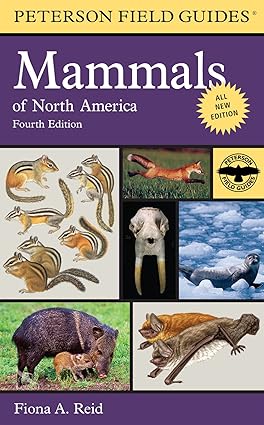
Field guide specific to your region

Essential
$18-35

Printed regional wildlife identification guide

Get This Item

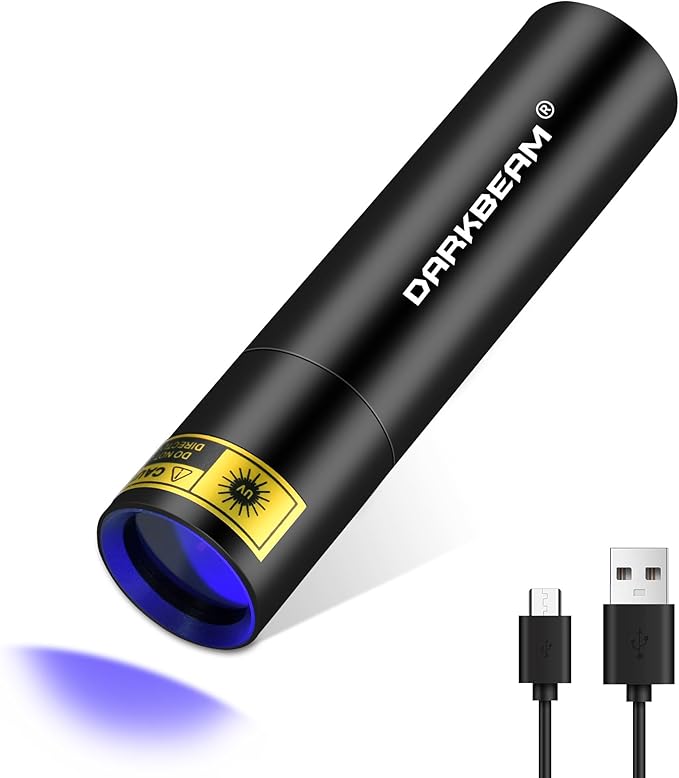
UV flashlight (365-395nm)

Recommended
$15-30

Ultraviolet flashlight for detecting fluorescent traces

Get This Item

Tracking card set or mud kit

Optional
$12-25

Waterproof reference cards showing animal tracks and scat, or clay/mud for casting prints

Get This Item

💙 Shopping through these links helps support IRL Sidequests at no extra cost to you. Thanks for making adventures possible!