Millions of waterproof containers are hidden within walking distance of you right now—each one waiting to be found.
Navigate to hidden containers using GPS coordinates, sign logbooks, and trade small treasures in the world's largest outdoor treasure hunt.
Geocaching turns every neighborhood, park, and trail into a giant scavenger hunt. Someone hid a container—usually a waterproof box with a logbook inside—and posted its GPS coordinates online. Your job: navigate there, find it without muggles (non-geocachers) seeing you, sign the log, and maybe swap trinkets. The cache might be magnetic and stuck under a park bench, camouflaged as a pinecone, or hidden behind a loose brick in a historic building's wall. The difficulty ratings tell you what you're in for. A 1/1 cache sits in plain sight once you reach the coordinates—think lamp post skirts in parking lots. A 5/5 might require rock climbing gear or scuba equipment. Most beginners start with urban micros: film canisters or magnetic key holders within city limits. You'll walk past the same light pole three times before you notice the magnetic strip that peels back. That 'aha' moment when you spot it—that's the hook. The community aspect runs deep. Cache owners maintain their hides, replace wet logbooks, and respond to online logs. Some caches contain trackable items with unique codes—grab one, log it online, move it to another cache in a different city, and watch it travel thousands of miles. Popular caches near tourist spots see hundreds of signatures per month. The logbook in a cache near Pike Place Market filled up in six weeks. Read the previous entries before you go—finders leave hints, warnings about increased foot traffic, or notes about the container's condition.
Download the official Geocaching app (freemium model) or use c:geo for Android. The free tier limits you to basic caches, but that's hundreds of thousands of options. Create an account—your username appears in every logbook you sign.
Search for caches near your location rated 2.0 difficulty or lower and 2.0 terrain or lower. Filter by cache type: start with 'Traditional' caches where the coordinates take you straight to the container. Avoid mysteries and multis until you understand the basics.
Read the cache description completely. Note the container size (micro = smaller than your thumb, regular = shoebox-sized), the hint if provided, and recent logs. If three people logged 'DNF' (did not find) in the past week, that cache might be missing or muggled.
Navigate to within 30 feet of the coordinates. GPS accuracy drops near tall buildings and dense tree cover. Once you're close, put your phone away and use your eyes. Look for things that don't belong: fake rocks, PVC pipe caps, hollowed-out bolts, magnetic key holders under metal railings.
Search without drawing attention. Muggles who see you reaching into bushes might investigate after you leave and accidentally remove the cache. If people are nearby, pretend to tie your shoe or check your phone until they pass.
Open the container carefully—some screw tight to keep water out. Sign the paper logbook with your username and date. If there are tradeable items (small toys, coins, pins), take something only if you leave something of equal or greater value. Don't leave food, liquids, or anything that degrades.
Close the container the same way you found it and hide it exactly where it was. Take a photo if the hide was clever—cache owners appreciate seeing their work. Log your find online within a day or two. Write specific details: 'Found it tucked behind the third fence post, thanks for the hide!' Generic 'TFTC' (thanks for the cache) logs are boring.
Check for trackable items: metal dog tags or coins with unique codes printed on them. If you take one, log it online with the code, then move it to another cache within a month. These items have mission statements—some want to visit every state, others want photos from beaches worldwide.
Get everything you need to make this quest amazing.
All-weather writing instrument that works on damp paper
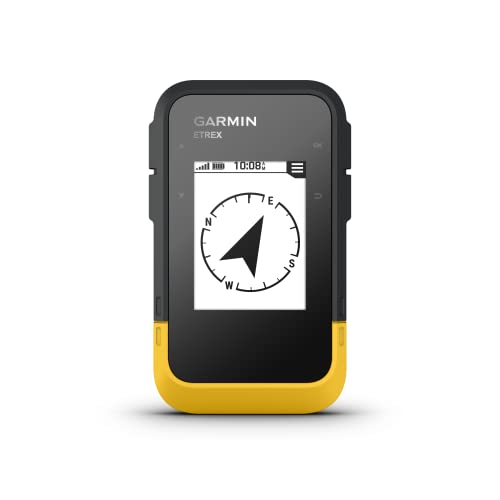
Get This ItemDedicated GPS receiver with better accuracy and battery life than smartphones
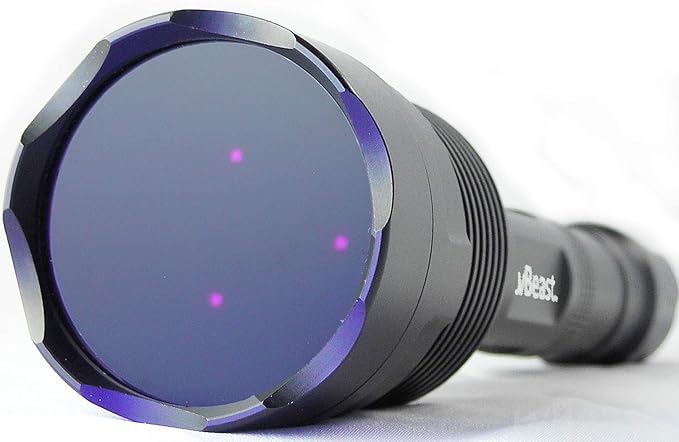
Get This ItemSmall LED flashlight that reveals UV-reactive markings and hidden clues
Get This ItemExtendable rod with strong magnet on the end, collapses to pocket size
Get This ItemSmall toys, geocoins, travel bugs, or unique swag items for cache trading
Get This Item💙 Shopping through these links helps support IRL Sidequests at no extra cost to you. Thanks for making adventures possible!
Hand-selected quests our team thinks you'll love

Cozy, gooey, unforgettable nights.

Turn your kitchen into a mad scientist’s bar.

Sharpshooter bragging rights start here.