
Decompression Rituals for High-Stress Workers
The shift's over, but your nervous system hasn't gotten the memo yet.
About This Quest
Practical, field-tested stress management techniques designed specifically for healthcare workers, first responders, and high-pressure professionals who need real recovery strategies.
If you've ever sat in your car for twenty minutes after a shift because going inside feels impossible, you already know traditional stress management advice doesn't cut it. Healthcare workers, paramedics, social workers, air traffic controllers—anyone whose job involves life-or-death decisions, constant hypervigilance, or absorbing other people's trauma—needs decompression strategies built for actual crisis work, not corporate wellness workshops. This quest pulls from occupational health research and firsthand accounts from ER staff, ICU nurses, and crisis counselors who've road-tested these techniques during 12-hour shifts and triple-overtime weeks. You're not looking for chakra alignment or productivity hacks. You need concrete ways to signal your nervous system that the threat has passed, to physically release the tension your body's been storing, and to create a buffer between work mode and the rest of your life. These are the rituals people actually use in hospital locker rooms, ambulance bays, and precinct parking lots. The goal is building a personal decompression protocol—a sequence you can execute even when you're exhausted, that takes less time than scrolling your phone, and that genuinely helps you metabolize stress instead of just numbing it. You'll experiment with different techniques over two weeks, track what actually moves the needle, and end up with a customized routine that fits your specific stressors and living situation.
Why This Quest Matters
After two weeks, you'll have a decompression protocol that actually works for your specific physiology and stressors—not generic advice, but a routine you've tested under real conditions. Instead of sitting in your car dreading the walk inside or carrying the shift's tension into your relationships, you'll have a reliable method to signal your nervous system that the threat has passed and metabolize stress instead of just numbing it.
What You'll Experience
- How your body specifically manifests work stress and which interventions actually address your patterns
- A personalized 15-minute decompression sequence you can execute even when exhausted
- Which techniques reliably shift your nervous system from threat response to recovery mode
- How to create a physical and mental boundary between high-stakes work and the rest of your life
- Data-driven stress management based on what works for your body, not wellness industry theories
What You'll Need
Top gear to make this quest great.
Pull it off
Lacrosse Ball or Spiky Massage Ball
Targets the specific knots that form in neck, shoulders, and jaw from sustained tension. More effective than foam rollers for small, tight areas where stress lives.
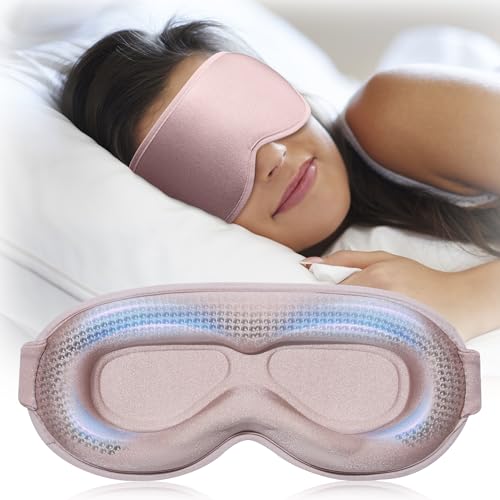
Blocks visual input while the weight calms the ocular muscles and triggers relaxation response. Game-changer for day-sleepers and people who can't shut their brain off.

Provides immediate sensory interruption to break stress loops. Menthol activates cooling receptors that help shift nervous system state. Keep in car or locker.
As an Amazon Associate I earn from qualifying purchases. Prices may change.
Step-by-Step Guide
Map your stress signature
For three consecutive shifts, note exactly what your body does when you clock out: clenched jaw, shoulders hiked up, stomach knotted, wired buzzing, or foggy dissociation. Write these physical sensations down immediately post-shift while they're still present. Different stress patterns require different interventions, so this becomes your diagnostic baseline.
💡 Pro Tips:
- • Keep a small notebook in your work bag or use your phone's voice memo—whatever you'll actually use when exhausted
- • Note which types of shifts (trauma cases, understaffing, difficult patients) produce which physical patterns
Create your transition zone
Designate one specific physical space as your decompression buffer—your car, a bedroom corner, even a particular chair. This spot exists solely to mark the boundary between work mode and the rest of your life. Stock a small bag there with whatever tools your chosen techniques require, and commit to entering this space before touching your phone or speaking to anyone.
💡 Pro Tips:
- • If you live with others, communicate that this space is off-limits for 15 minutes post-shift—no questions, no conversation
Install a physical release practice
Choose your 5-10 minute technique based on your stress signature. If you're wired and hypervigilant, use progressive muscle relaxation—tense each muscle group for 5 seconds, release for 10 seconds, feet to face. If you're frozen or dissociated, do 20 jumping jacks or shake each limb vigorously for 30 seconds to reawaken your body. If you're carrying tension, work a massage ball into your neck, traps, and jaw while breathing deeply.
💡 Pro Tips:
- • Keep the massage ball, resistance band, or whatever physical tool you need in your transition zone bag so there's zero friction
Add a sensory reset
Your nervous system responds to concrete sensory input faster than rational thought. Run cold water on your face and wrists for 60 seconds to trigger your parasympathetic response, or lie flat on the floor feeling your full body weight pressing down to ground yourself in physical reality, or smell something distinctive—peppermint oil, coffee beans, citrus peel—while taking 10 slow breaths to disrupt stress chemistry with novel input.
Practice a mental boundary ritual
Close your eyes and visualize removing your work gear piece by piece, even if you've already changed clothes—imagine placing each item in a locker and closing the door. Or picture yourself standing under a waterfall that washes the entire shift off your body. This 2-3 minute visualization works because your brain treats vividly imagined actions as real experiences.
💡 Pro Tips:
- • ICU nurses consistently report this technique helps them leave patient crises at the hospital instead of carrying them home
Track results for 14 days
Rate your stress level 1-10 immediately before and after your decompression routine. Note sleep quality that night, whether you snapped at family members, and if you ruminated about work all evening. After two weeks, analyze the data: maybe cold water consistently drops you 3 points, or the physical release matters more after trauma cases. Adjust your protocol based on what the numbers show, not what sounds good in theory.
Lock in your personalized sequence
Take the 2-3 techniques that consistently moved the needle and combine them into a 15-minute routine you can execute on autopilot. Write out the exact steps in order and practice the sequence even after easier shifts so it becomes automatic. The goal is creating a Pavlovian response: when you enter your transition zone, your body recognizes what's coming and decompression begins before conscious thought kicks in.
Gear Up for Your Quest
The gear that makes this quest work.
Pull it off

Lacrosse Ball or Spiky Massage Ball
Targets the specific knots that form in neck, shoulders, and jaw from sustained tension. More effective than foam rollers for small, tight areas where stress lives.
+ complete the kit — 3 more

Weighted Eye Mask
RecommendedBlocks visual input while the weight calms the ocular muscles and triggers relaxation response. Game-changer for day-sleepers and people who can't shut their brain off.
Sleep mask with gentle weight (usually glass beads) that applies light pressure to facial tension points
Get on Amazon · $8.99 — Weighted Eye Maskdetails & deals →
Peppermint Essential Oil Roll-On
OptionalProvides immediate sensory interruption to break stress loops. Menthol activates cooling receptors that help shift nervous system state. Keep in car or locker.
Pre-diluted essential oil in portable roll-on applicator for temples and wrists
Get on Amazon · $9.95 — Peppermint Essential Oil Roll-Ondetails & deals →
Insight Timer App
OptionalProvides structure when you're too fried to remember the steps. Filter by length and type. Many healthcare workers use the 'RAIN for Difficult Emotions' track post-shift.
Meditation app with 10-minute guided body scans, progressive muscle relaxation tracks, and simple interval timers
RELATED GEAR GUIDE
Journaling & Habit Kit: 10 Picks That Build the Habit
Field-tested picks · Personal Growth
As an Amazon Associate, IRL Sidequests earns from qualifying purchases at no extra cost to you.
Prices and availability are subject to change. The price shown at checkout on Amazon at the time of purchase will apply.
Editor's Picks
Hand-selected quests our team thinks you'll love

Random Side Quest Generator: Complete Guide to Spontaneous Adventures
Turn decision paralysis into roll-the-dice action.

Desk Reset Rituals for Screen Workers
Your screen blur isn't age—it's ritual deficit.

Build Your Domestic Confidence Toolkit
The difference between panicking when something breaks and calmly handling it yourself.