
Mindful Hobbies for High-Stress Professions
Your brain needs analog downtime, not another Netflix binge.
About This Quest
Discover hands-on hobbies proven to lower cortisol and improve focus for healthcare workers, first responders, lawyers, and other high-pressure careers.
If you're in healthcare, law, finance, emergency services, or any field where mistakes cost lives or millions, you already know the Sunday scaries never really end. Your brain cycles through case files, patient charts, or market reports even when you're supposedly relaxing. Scrolling social media or binge-watching doesn't actually reset your nervous system—it just numbs you temporarily. Mindful hobbies work differently. Activities that engage your hands and require present-moment focus trigger a parasympathetic response that genuinely lowers cortisol. Neurologists call it "flow state," therapists call it "active meditation," but what matters is this: when you're trimming bonsai branches or kneading bread dough, your prefrontal cortex finally gets a break from threat-scanning. Studies from Stanford's Stress Lab show that repetitive, creative hand movements reduce rumination by 40-60% more effectively than passive rest. This quest maps seven categories of mindful hobbies tailored to different stress profiles and living situations. Each activity is chosen for its accessibility (you can start tonight), evidence base (peer-reviewed research on stress reduction), and tactile engagement (screens not required). Whether you need 20-minute micro-breaks between shifts or weekend immersion projects, you'll find practices that actually stick because they satisfy something deeper than productivity guilt.
Why This Quest Matters
When you're trimming bonsai branches or kneading bread dough, your prefrontal cortex finally gets a break from threat-scanning. Studies from Stanford's Stress Lab show that repetitive, creative hand movements reduce rumination by 40-60% more effectively than passive rest—triggering a parasympathetic response that genuinely lowers cortisol instead of just numbing you temporarily.
What You'll Experience
- Which stress signature you carry and what activities counteract it
- How to create micro-hobby options that prevent all-or-nothing thinking
- The proprioceptive feedback that makes tactile activities uniquely restorative
- How to protect restorative practices from productivity guilt
- Social buffering techniques that don't require performing when drained
What You'll Need
Top gear to make this quest great.
Pull it off
Beginner Pottery Tool Set with Clay
Hand-building clay projects provide immediate tactile feedback and visible progress without needing a kiln or wheel—ideal for apartment-dwellers who need sensory grounding after high-alert workdays
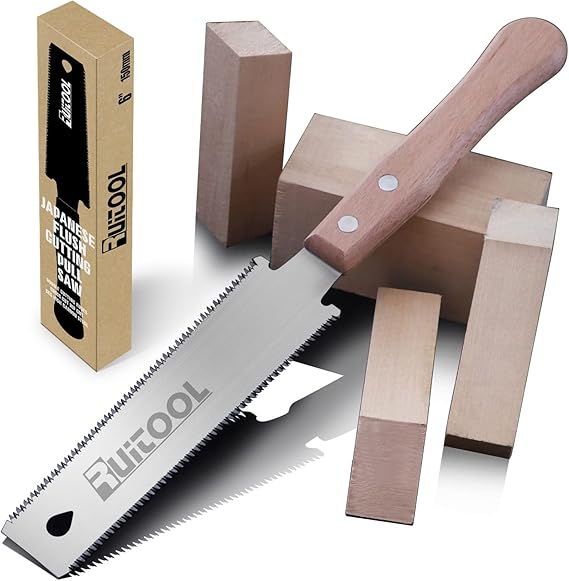
Hand-tool woodworking engages your whole body in rhythmic motion while producing satisfying physical evidence of focus—cuts through rumination more effectively than power tools that do the work for you
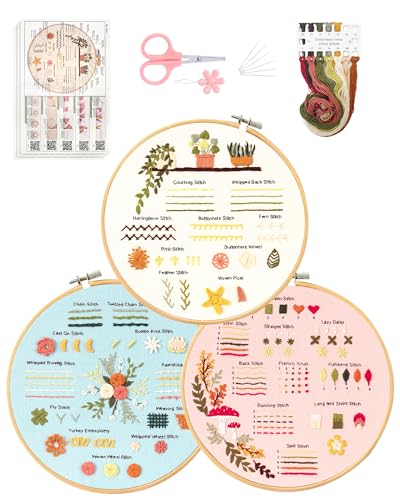
Ultra-portable (fits in scrubs pockets or briefcases) and requires zero setup—pull it out during lunch breaks or waiting rooms for instant meditative stitching that occupies your hands and quiets verbal thought loops
As an Amazon Associate I earn from qualifying purchases. Prices may change.
Step-by-Step Guide
Identify Your Stress Signature
Determine if you come home mentally wired (racing thoughts, insomnia) or emotionally depleted (numb, exhausted). Wired stress responds to rhythmic, repetitive activities like knitting or woodcarving. Depleted stress needs sensory richness—pottery, gardening, cooking with complex spices.
💡 Pro Tips:
- • Notice your dominant pattern over a week, not just one bad day
Commit to a 2-Week Trial
Choose one hobby and complete 3 sessions minimum before evaluating. First-time pottery feels clunky; by the third session, your shoulders start dropping. Track your sleep quality and irritability levels in a basic journal—you're looking for patterns, not perfection.
Set Up a Dedicated Hobby Corner
Create a space with supplies always ready—a card table beats excavating materials from closets. ICU nurses keep embroidery hoops in their cars for parking lot decompression. Lawyers report better results from 20-minute lunch-break sketching than hour-long evening attempts.
💡 Pro Tips:
- • Accessibility beats ambition: visible supplies get used, hidden supplies don't
Try Tactile-First Activities
Start with hand-building pottery, bread baking, woodworking with hand tools, embroidery, plant propagation, or fountain pen calligraphy. The key is feeling material resistance—your hands pushing back against clay, dough, or wood grain activates proprioceptive feedback that screens can't provide.
Join Low-Stakes, Drop-In Communities
Find hospital break rooms with communal puzzles, library craft hours, or hardware store weekend workshops. The social buffering effect (being around calm people doing absorbing tasks) amplifies stress reduction without requiring you to 'perform' socially when you're drained.
Scale to Your Energy Levels
Exhausted Wednesday? Five-minute bonsai pruning. Rare Saturday off? Three-hour furniture restoration session. ER docs report that having 'micro-hobby' options (origami, whittling) prevents the all-or-nothing thinking that kills consistency.
💡 Pro Tips:
- • The hobby adapts to you, not vice versa
Protect From Productivity Creep
No selling on Etsy. No optimizing. No Instagram documentation. The instant you monetize or perform your mindful hobby, it becomes another job. Your sourdough starter doesn't need to be photogenic—it needs to give you something living to tend.
Gear Up for Your Quest
The gear that makes this quest work.
Pull it off

Beginner Pottery Tool Set with Clay
Hand-building clay projects provide immediate tactile feedback and visible progress without needing a kiln or wheel—ideal for apartment-dwellers who need sensory grounding after high-alert workdays
+ complete the kit — 3 more

Japanese Pull Saw
RecommendedHand-tool woodworking engages your whole body in rhythmic motion while producing satisfying physical evidence of focus—cuts through rumination more effectively than power tools that do the work for you
Compact hand saw designed for smooth, controlled cuts with minimal effort
Get on Amazon · $19.99 — Japanese Pull Sawdetails & deals →
Embroidery Hoop Starter Set
RecommendedUltra-portable (fits in scrubs pockets or briefcases) and requires zero setup—pull it out during lunch breaks or waiting rooms for instant meditative stitching that occupies your hands and quiets verbal thought loops
Multiple hoop sizes with pre-stamped patterns, DMC floss, and needles
Get on Amazon · $19.99 — Embroidery Hoop Starter Setdetails & deals →
Tending a living thing that responds to your attention over weeks and months provides long-arc satisfaction that counters the 'nothing I do matters' feeling common in high-stakes professions—each pruning session is forced presence practice
Includes young bonsai (usually juniper or ficus), pruning shears, wire, and care guide
Get on Amazon · $26.99 — Bonsai Starter Kit with Live Treedetails & deals →RELATED GEAR GUIDE
Journaling & Habit Kit: 10 Picks That Build the Habit
Field-tested picks · Personal Growth
As an Amazon Associate, IRL Sidequests earns from qualifying purchases at no extra cost to you.
Prices and availability are subject to change. The price shown at checkout on Amazon at the time of purchase will apply.
Editor's Picks
Hand-selected quests our team thinks you'll love

Random Side Quest Generator: Complete Guide to Spontaneous Adventures
Turn decision paralysis into roll-the-dice action.

Desk Reset Rituals for Screen Workers
Your screen blur isn't age—it's ritual deficit.

Build Your Domestic Confidence Toolkit
The difference between panicking when something breaks and calmly handling it yourself.