
Forest Bathing Stress Reset for High-Pressure Professionals
The ER nurse's secret to resetting after a 12-hour shift—no gym membership needed.
About This Quest
Evidence-based nature immersion protocol designed for nurses, paramedics, ER staff, and other high-stress professionals to reset cortisol levels and restore mental clarity.
After three years covering trauma shifts in a Level 1 ER, a nurse colleague shared her post-shift ritual: 90 minutes in the nearest wooded park, no phone, moving slower than felt natural. She called it 'resetting the nervous system.' The research backs her up—Japanese shinrin-yoku studies show 90 minutes in forest environments drops cortisol by 20-30%, lowers heart rate, and measurably improves parasympathetic nervous system function. This isn't hiking. You'll cover maybe half a mile total, stopping frequently to engage senses deliberately. This protocol works specifically for occupations with chronic hypervigilance—healthcare workers, paramedics, firefighters, air traffic controllers, social workers, ER vets. The goal is to interrupt the constant threat-scanning your brain does on shift. You'll use specific sensory anchoring techniques (the smell of pine resin up close, the texture of bark under your palm, counting bird calls without identifying them) to pull your nervous system out of fight-or-flight. The first 20 minutes feel awkward and slow. By minute 45, most people report a physical shift—shoulders drop, jaw unclenches. The research shows benefits lasting 48-72 hours post-session. You need access to any wooded area with a trail—city parks work fine if they have a tree canopy dense enough to block most sky visibility. Early morning (6-8 AM) or late afternoon (4-6 PM) offer fewer people and better light angles through leaves, which matters for the visual component. Weekday sessions beat weekends. The supplied items aren't for performance—they're for removing common distractions and discomfort that prevent you from slowing down enough for this to work.
Why This Quest Matters
Japanese shinrin-yoku studies show 90 minutes in forest environments drops cortisol by 20-30% and measurably improves parasympathetic nervous system function. This protocol specifically interrupts the constant threat-scanning pattern your brain runs during high-pressure shifts—by minute 45, most people report a physical shift where shoulders drop and jaw unclenches. The effects last 48-72 hours, giving you a reset window that extends well beyond the session itself.
What You'll Experience
- How to force your nervous system out of hypervigilance mode using extreme slowness
- Sensory anchoring techniques that pull you out of fight-or-flight
- A breath pattern that activates parasympathetic response faster than other methods
- How to measure your own nervous system shifts through baseline comparison
- Why 90 minutes at 0.5 mph works better than high-intensity exercise for trauma professionals
What You'll Need
Top gear to make this quest great.
Pull it off
Lightweight Foam Sit Pad
Removes the physical discomfort barrier that prevents sitting directly on ground for the 10-minute midpoint rest. Wet or cold ground is the #1 reason people skip the sitting component, which research shows is critical for parasympathetic activation.
Get on Amazon · $25.89 — Lightweight Foam Sit Pad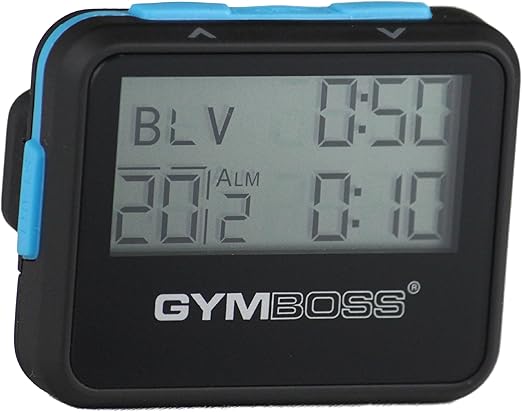
Lets you track the protocol timing (30-min sections, 10-min sit) without pulling out your phone, which immediately re-engages the attention systems you're trying to disengage. Vibration alerts work better than sound in nature settings.
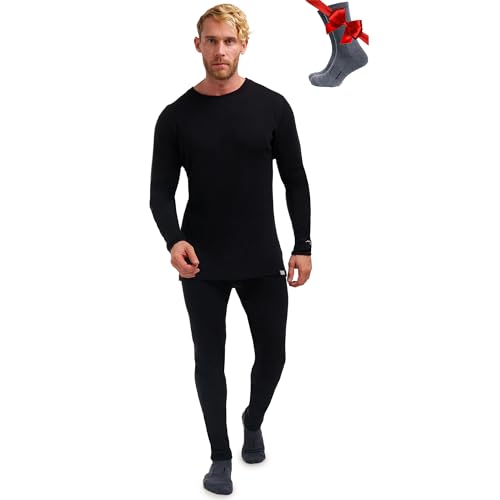
Critical for winter/fall sessions—cotton kills the practice because you'll cut it short when cold. Merino regulates temperature during slow movement and stationary sits, odor-resistant for repeat weekly use without washing. The slow pace means you won't generate body heat like normal hiking.
As an Amazon Associate I earn from qualifying purchases. Prices may change.
Step-by-Step Guide
Establish your arrival baseline
Stand at the trailhead for 3-5 minutes with phone on airplane mode or left behind entirely. Notice the temperature on your skin, ambient sound level, and how your shoulders and jaw feel right now. This baseline lets you measure the shift by the end.
💡 Pro Tips:
- • Set a timer for this standing period—your brain will try to skip it
- • Weekday mornings (6-8 AM) or late afternoons (4-6 PM) offer fewer people and better light through leaves
Walk at half your normal pace
Move at roughly 0.5 mph—painfully slow for the first 15 minutes. Your brain will generate excuses to speed up or leave. The extreme slowness forces your nervous system out of the efficiency mode it runs on during high-pressure shifts.
💡 Pro Tips:
- • You need 60% tree canopy cover minimum—dense enough to block most sky visibility
Stop every 50-100 steps for sensory anchoring
Pause completely for 2-3 minutes and pick one sense: press your palm against bark (notice temperature, texture, moisture), smell pine needles or soil from 6 inches away, or count distinct bird calls without identifying species. One sense per stop, no multitasking.
Sit on the ground at 30 minutes
Find a spot to sit for 10 minutes using your sit pad. Close your eyes and notice which sounds are constant (wind in leaves) versus intermittent (bird calls). Your only job is cataloging, not analyzing.
Add breath holds to your stops
Continue the slow walk-and-stop pattern for 30 minutes, but now at each stop: exhale fully, hold your empty lungs for 3-4 seconds, then inhale. Repeat three times per stop. This breath pattern activates parasympathetic response faster than any other technique.
Walk the final 20 minutes without stopping
Maintain the slow pace but let your mind wander freely—no forced sensory focus. This integration phase is where most people feel their shoulders drop. When work thoughts intrude, label them neutrally ('that's a work thought') and return to physical sensation.
Measure your shift at the trailhead
Stand at the exit for 2-3 minutes and compare how your shoulders, jaw, and breathing feel versus your arrival baseline. Most people notice measurable differences by session three, even if session one feels like nothing happened.
💡 Pro Tips:
- • Research shows benefits last 48-72 hours after a single 90-minute session
Gear Up for Your Quest
The gear that makes this quest work.
Pull it off

Lightweight Foam Sit Pad
Removes the physical discomfort barrier that prevents sitting directly on ground for the 10-minute midpoint rest. Wet or cold ground is the #1 reason people skip the sitting component, which research shows is critical for parasympathetic activation.
Get on Amazon · $25.89 — Lightweight Foam Sit Paddetails & deals →+ complete the kit — 2 more

Analog Watch or Interval Timer
RecommendedLets you track the protocol timing (30-min sections, 10-min sit) without pulling out your phone, which immediately re-engages the attention systems you're trying to disengage. Vibration alerts work better than sound in nature settings.
Simple watch or vibrating interval timer to track time segments without phone access
Get on Amazon · $20.95 — Analog Watch or Interval Timerdetails & deals →
Critical for winter/fall sessions—cotton kills the practice because you'll cut it short when cold. Merino regulates temperature during slow movement and stationary sits, odor-resistant for repeat weekly use without washing. The slow pace means you won't generate body heat like normal hiking.
Lightweight merino wool long-sleeve top for thermal regulation in cold weather
Get on Amazon · $99.99 — Merino Wool Base Layer (if cold season)details & deals →RELATED GEAR GUIDE
10 Essential Bird Watching Tools for Graduate Students in 2026
Field-tested picks · Nature & Outdoors
As an Amazon Associate, IRL Sidequests earns from qualifying purchases at no extra cost to you.
Prices and availability are subject to change. The price shown at checkout on Amazon at the time of purchase will apply.
Editor's Picks
Hand-selected quests our team thinks you'll love

Urban Ecosystem Knowledge: Map Your City's Hidden Wildlife
Your neighborhood has more species than you think—time to prove it.

Urban Wildlife & Nature Connection Hub
Your city's wilder than you think—you just need to know where to look.

Urban Biodiversity Mapping & Citizen Science Hub
Your neighborhood harbors more species than you think—and scientists need your eyes on the ground.