
Desk Reset Rituals for Screen Workers
Your screen blur isn't age—it's ritual deficit.
About This Quest
Structured reset practices for remote workers, coders, and designers to break screen fatigue cycles and reclaim focus.
You've been staring at the same three browser tabs for 90 minutes. Your neck feels like concrete, your eyes like sandpaper, and that Slack notification just made you flinch. Remote work sold us freedom but delivered digital house arrest. This isn't about productivity hacks or standing desks. It's about interrupting the screen-fatigue loop with deliberate sensory resets—micro-practices that pull you out of digital hypnosis. Think of it as hitting Ctrl+Alt+Del on your nervous system. The ritual structure matters more than the duration: you're training your body to recognize when it's time to disengage before the afternoon crash hits. These resets work because they target the specific strain patterns of screen work—forward head posture, accommodative eye stress, and decision fatigue from constant context-switching. You'll cycle through tactile, visual distance, and proprioceptive exercises that reverse the physical compression of desk work. No yoga mat required, no coworkers judging your floor stretches.
Why This Quest Matters
These resets interrupt the screen-fatigue loop before the afternoon crash devours your focus. You're not optimizing productivity—you're preventing the physical and cognitive compression that makes the last three work hours feel like pushing a boulder uphill. The ritual structure trains your body to recognize disengagement cues, turning what feels like willpower into automatic sensory relief.
What You'll Experience
- How to reverse forward head posture and chest compression in under 5 minutes
- The specific sensory switches that break digital hypnosis
- Why deliberate blinking and distance focusing prevent screen-eye burnout
- How to use proprioceptive and breathing cues to activate parasympathetic recovery
- The difference between a productivity break and a true nervous system reset
What You'll Need
Top gear to make this quest great.
Pull it off
Textured Therapy Ball (Spiky or Ridged)
The texture amplifies tactile feedback to counteract the smooth, uniform feel of keyboards and trackpads. Spiky surfaces activate more nerve endings than smooth objects, creating a stronger sensory interrupt.
Get on Amazon · $9.95 — Textured Therapy Ball (Spiky or Ridged)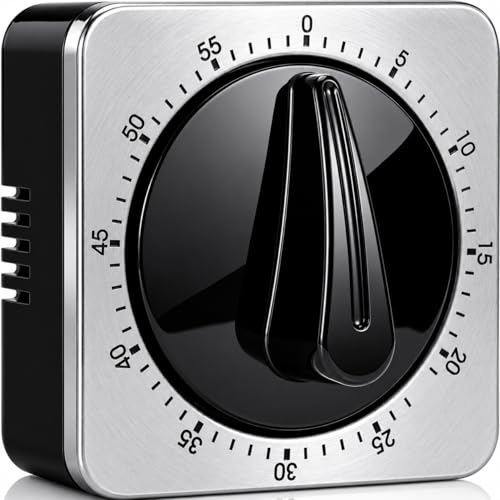
Physical winding action serves as ritual initiation. The ticking provides ambient time awareness without screen-checking. Analog format prevents phone-grab temptation.
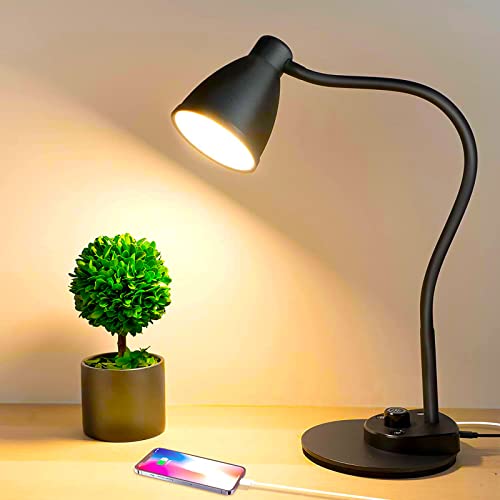
Provides non-screen light source during breaks, reducing reliance on monitor-based lighting. Warm tones support circadian rhythm regulation for afternoon resets.
As an Amazon Associate I earn from qualifying purchases. Prices may change.
Step-by-Step Guide
Create a digital perimeter
Close all tabs except one, silence notifications, flip your phone face-down. This reset dies if you're half-monitoring Slack. You're establishing an undistracted 10-minute boundary.
💡 Pro Tips:
- • Announce your break in Slack before closing it—removes the guilt reflex
- • Leave one empty tab open so you're not tempted to 'just check' something
Undo the forward hunch
Stand with feet hip-width, knees soft, shoulders back and down. Roll your shoulders backward 5 times to reverse the screen-slump posture. You're physically resetting your skeletal alignment before addressing the rest.
Reset your focal distance
Focus on the farthest object visible through a window for 20 seconds—if no window, use the far corner of the room. Blink deliberately 10 times. Screen workers under-blink by 66%, starving eyes of lubrication and distance practice.
💡 Pro Tips:
- • Set a daily calendar reminder for this step alone if dry eyes are chronic
Reactivate tactile awareness
Roll a textured object between your palms—therapy ball, golf ball, even a pen. Apply pressure and rotate for 60 seconds. You're waking up mechanoreceptors dulled by hours of keyboard monotony.
Open your compressed chest
Place both palms on your desk edge and step back until your torso hits 45 degrees, arms straight. Drop your chest between your shoulders and hold for 30 seconds. Feel the stretch across pecs and front deltoids that curl inward during typing.
Recalibrate with contrast breathing
Balance on one foot for 30 seconds (eyes open), then switch—this forces vestibular recalibration after static sitting. Follow with contrast breathing: inhale 4 counts through nose (belly expands), hold 4, exhale 6 through mouth. Repeat 4 cycles. The extended exhale trips your parasympathetic response.
Lock in the cognitive shift
Write one sentence by hand describing what you just felt physically. Pen-to-paper engages motor pathways your brain recognizes as different from typing. Before reopening tabs, name the ONE thing you'll tackle next—this is your single focus intention.
💡 Pro Tips:
- • Keep a paper notepad on your desk specifically for these handwritten check-ins
Gear Up for Your Quest
The gear that makes this quest work.
Pull it off

Textured Therapy Ball (Spiky or Ridged)
The texture amplifies tactile feedback to counteract the smooth, uniform feel of keyboards and trackpads. Spiky surfaces activate more nerve endings than smooth objects, creating a stronger sensory interrupt.
Get on Amazon · $9.95 — Textured Therapy Ball (Spiky or Ridged)details & deals →+ complete the kit — 2 more

Analog Interval Timer
RecommendedPhysical winding action serves as ritual initiation. The ticking provides ambient time awareness without screen-checking. Analog format prevents phone-grab temptation.
Mechanical kitchen timer with audible tick and ring (no digital display)
Get on Amazon · $9.99 — Analog Interval Timerdetails & deals →
Blue Light Filtering Desk Lamp
OptionalProvides non-screen light source during breaks, reducing reliance on monitor-based lighting. Warm tones support circadian rhythm regulation for afternoon resets.
Adjustable LED desk lamp with warm color temperature (2700-3000K) and dimming capability
Get on Amazon · $29.97 — Blue Light Filtering Desk Lampdetails & deals →RELATED GEAR GUIDE
Journaling & Habit Kit: 10 Picks That Build the Habit
Field-tested picks · Personal Growth
As an Amazon Associate, IRL Sidequests earns from qualifying purchases at no extra cost to you.
Prices and availability are subject to change. The price shown at checkout on Amazon at the time of purchase will apply.
Editor's Picks
Hand-selected quests our team thinks you'll love

Random Side Quest Generator: Complete Guide to Spontaneous Adventures
Turn decision paralysis into roll-the-dice action.

Build Your Domestic Confidence Toolkit
The difference between panicking when something breaks and calmly handling it yourself.

Gaming-Inspired Real-Life Challenges
Your life stats are stagnant—time to grind IRL and unlock new abilities.