Collect sounds from five materials on your loop, pick your six best clips, and crossfade them into a 90-second piece. Give it a name, then play it start to finish for whoever walked with you.
Bonus challenge: Play it once without saying where anything was recorded and see if your listener can guess the fence, the tree and the machine.
Accept this questSaves it to your list, no account needed.
Time
3-4 hours
Cost
Free with your own gear
Starter gear from $442
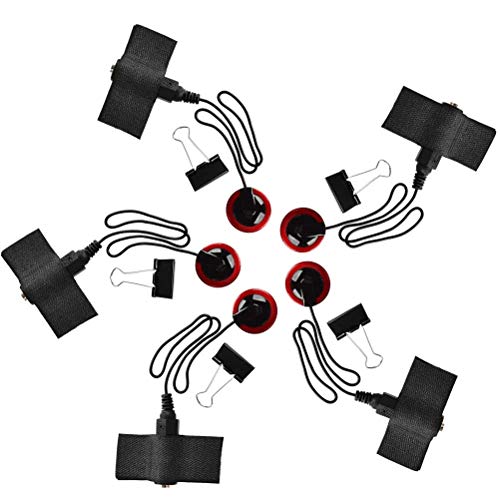
The recorder is the big one-time buy at about $350, and a five-pack of stick-on contact mics runs about $17. After that each outing costs nothing but tape and battery.
solo, friends, date night · Teens 14+ with an adult, adults any age
Level
Intermediate
Where
Both
Season
Year-round
Winter is secretly the best season — cold metal rings longer, and frozen puddles and expansion joints make sounds you can't get in July. Avoid rain; piezos and recorders both hate moisture.
About This Quest
Grab a friend and go listen to things that aren't making any sound. A contact mic sticks to a fence, a tree, a storefront window, and suddenly you hear traffic traveling through steel. Walk a 2km loop with five stops, then mix your best finds into a 90-second piece.
A handrail looks silent. Stick a little disc on it, flick the far end, and your headphones fill with a long metallic ring that goes on and on. That's the whole trick: a contact mic ignores air sound and only hears vibration moving through solid stuff.
You'll walk a short loop with a partner, press a mic to five different materials, and collect sounds nobody around you can hear. Beginners get good recordings fast, because the mic does the surprising part for you. Then you pick your six favorites and build a 90-second collage.
Why This Quest Matters
Half the fun is watching your friend's face the first time they put the headphones on. A tree trunk pouring wind down its stem, a bus shelter humming, a vending machine purring like something alive. The street stays exactly the same. Your ears get a whole new instrument, and you brought a witness.
What You'll Experience
Hear a fence sing: Flick one end of a long handrail and listen to the ring travel toward you.
Eavesdrop on a tree: Clip a mic to thick bark and let the wind come down through the trunk.
Slow the world down: Drop a clip to half speed and find detail you completely missed live.
Hand over the headphones: Watch someone's eyebrows go up on their first listen.
What You'll Need
Top gear to make this quest great.
Pull it off
Zoom H5 4-Track Handheld Recorder for Filmmakers & Musicians | 2 XLR Inputs, USB Audio Interface
Contact mics are weak and need real preamps and gain knobs to sound like anything but hiss.
As an Amazon Associate I earn from qualifying purchases. Prices may change.
Before You Begin
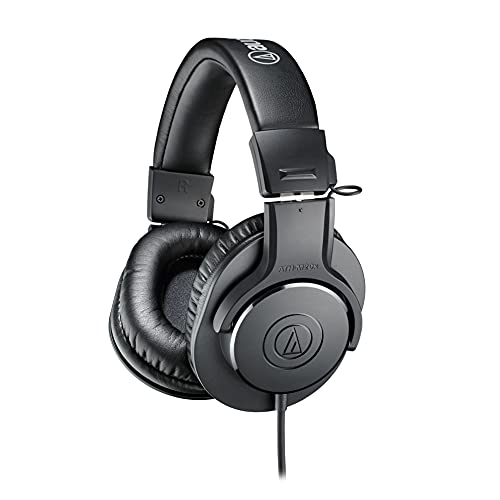
Good news: the gear list is short and the walk is easy. You'll want a handheld recorder with real microphone inputs and gain knobs (the Zoom H5 style, which handles weak contact mics), a pack of self-adhesive contact mic discs, closed-back headphones, an SD card and a roll of gaffer tape. Handy extras: a clip-on contact mic with a long cable for bark and chain-link, and a hi-vis vest plus a helmet and lights if your route includes a bridge. Ask permission before taping anything to shop glass or a building's air-con unit, and skip rainy days entirely.
Safety Tips
A good quest stays a good story. These are general notes; your gear's manual, the venue's rules and local law come first.
Record only from footpaths and grass verges, never from a roadway or a cycle lane, and plan your loop along quiet streets rather than fast roads.
At any bridge or overpass stop, pick one with a separated pedestrian walkway and a solid barrier between you and the traffic, and wear a helmet, lights and hi-vis clothing while you're there.
Keep both feet on the ground in closed, grippy shoes. No climbing fire escapes, parapets or fence tops for a better angle.
On powered machines, touch only the outer housing. Never open a panel and never touch conduit or transformers. If a surface buzzes or tingles at all, step away and move on.
Get the owner's okay before taping a mic to private property like shop glass or a building's air-con unit, and stay outside fenced utility and rail sites.
No recording in rain or near standing water, and peel off every adhesive disc before you leave a stop.
Step-by-Step Guide
1
Set Your Gain At The Kitchen Table
25 min
Do the fiddly part indoors so the street is pure fun. Charge the recorder, format the SD card, and set it to record 48kHz 24-bit WAV files. Stick one adhesive disc flat on the table and plug it into Input 1. Record thirty seconds, tapping the wood, then play it back and nudge the gain dial until your taps peak near -12dB.
💡 Pro Tips:
• Put a strip of tape beside the dial and mark the position you landed on. Out on the loop you can reset it in a second.
2
Plot Your Five-Stop Loop
20 min
Now pick where you're going. Map a 2km walk with five material stops: a long metal fence or handrail, a tree with a thick trunk, a glass storefront or bus shelter, a mechanical unit like a parking meter or vending machine, and a bridge with a proper separated walkway. Message your partner the meeting spot and tell them to bring warm layers.
💡 Pro Tips:
• Winter is the sweet season. Cold metal rings far longer, and frozen puddles and expansion joints make noises you simply cannot get in July.
3
Press, Stick, Listen
90 min
At every stop, press the disc completely flat against the surface so the whole face makes contact, tape down some cable slack, and record 60 to 90 seconds of stillness before you touch anything. Then go to work: flick the far end of the fence and drag a key along it, clip to bark and let the wind do it, press your palm on glass and drag a fingertip, stick to a machine housing and capture two minutes of motor hum. Say the location and material out loud into each take.
💡 Pro Tips:
• If a spot sounds oddly dead, you've landed on a quiet patch. Move the disc about 30cm and it usually wakes right up.
4
The Stereo Fence Dare
15 min
Here's the one that gets people. Stick two discs on the same metal fence about a meter apart and plug them into both inputs. Have your partner tap one end while you listen on headphones. The sound arrives at one disc first and then the other, so it sweeps across your head. Swap places and let them hear it too. Big discs grab low rumble, small ones catch bright detail.
💡 Pro Tips:
• Before you walk home, record three quick texture drags: rough concrete, a plastic bottle, a pencil on paper. They make great glue between your big clips.
5
Build The 90-Second Mix
45 min
Back indoors, import everything and shortlist your six best recordings. Add a high-pass filter around 60 to 80Hz to each one, which clears out the low rumble from handling. Slow two clips to half speed and listen to what appears. Then crossfade all six into a single 90-second piece, running smallest material to largest so it grows as it goes.
💡 Pro Tips:
• Trust the slowed clips. Half speed is where a parking meter stops sounding like a hum and starts sounding like a choir.
6
The First Listen
10 min
Time for the reveal. Give your piece a name, hand the headphones over, and play it start to finish while you watch. Then read out the five materials you recorded and let them match sounds to places. Post the audio with a plain list of your stops so other people can go hear the same fence for themselves.
💡 Pro Tips:
• Don't narrate while they listen. Let the fence do the talking and save the explanations for after.
You just pulled music out of a handrail and a vending machine. Share your 90-second mix with the stop list, and dare a friend to find a better-sounding fence.
Your block has a soundtrack, and nobody's hit play
Can you build a tour of your block that a neighbor can follow with their eyes shut? Walk a ten-block circle with a friend, listen for six places that sound completely different, record a few minutes at each, then string the best ones into a ten-minute audio tour.
Somewhere near you, an empty basement wants a microphone.
Grab three or four friends and build a recording studio your whole block can use. You'll find a room, tame its echo with foam and rugs, set up a mic and headphones, then throw open the doors for drop-in hours. Someone's first song gets recorded in there.
3-6 months for setup, ongoing operationFriendsGear from $439