Host one set of drop-in hours, help someone from the neighborhood get a take they're proud of, then play it back loud while the whole room listens and cheers.
Bonus challenge: Run a remix challenge where everyone builds a track from sounds recorded on your own streets.
Accept this questSaves it to your list, no account needed.
Time
3-6 months for setup, ongoing operation
Cost
Paid activity
Starter gear from $439
Starter gear runs about $400–600, or $800–2000 if you add extras. Then there's ongoing space rental, liability insurance and replacement cables. A sliding scale membership of $5–25 a month helps cover it.
friends, a group · Teens 14+ can book and use the gear on their own; younger kids need an adult with them
Level
Intermediate
Where
Indoor
Season
Year-round
About This Quest
Grab three or four friends and build a recording studio your whole block can use. You'll find a room, tame its echo with foam and rugs, set up a mic and headphones, then throw open the doors for drop-in hours. Someone's first song gets recorded in there.
A church basement, a community center room, a corner of a maker space: somewhere near you a space sits empty most evenings, waiting for a microphone and a few friendly people with a plan.
Over three to six months, you and a small team will get permission, treat the room so it stops echoing, set up a simple recording rig, and host open hours where neighbors walk in and make something. You don't need to be an engineer. One person on your team who knows cables is plenty.
Why This Quest Matters
Most people carry a song, a story or a podcast idea around for years because they think recording is for other people. A room with a mic and a friendly face standing next to it changes that in an afternoon. You're not just building a studio. You're building the place where your neighbors finally hear themselves played back.
What You'll Experience
Hunt for the room: Walk into basements and back rooms and listen for the one that's quietly perfect.
Beat the echo: Clap once in a bare room, then clap again after foam and rugs and hear the difference.
Throw open the doors: Host your first drop-in hours and watch strangers become regulars.
Hold a listening party: Play half-finished tracks to a room of neighbors who cheer anyway.
What You'll Need
Top gear to make this quest great.
Pull it off
USB Audio Interface (2-4 channel)
Turns your mic into something your computer can record, with enough inputs for two people at once.
As an Amazon Associate I earn from qualifying purchases. Prices may change.
Before You Begin
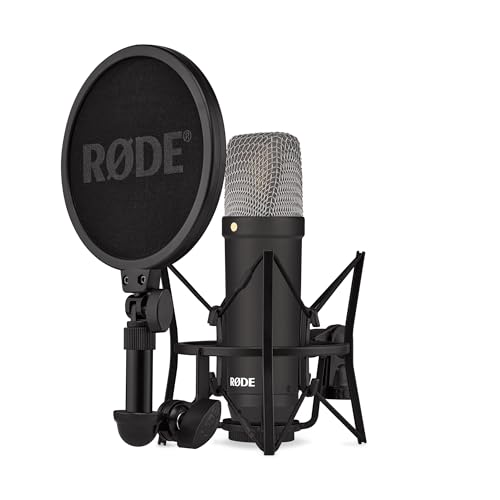
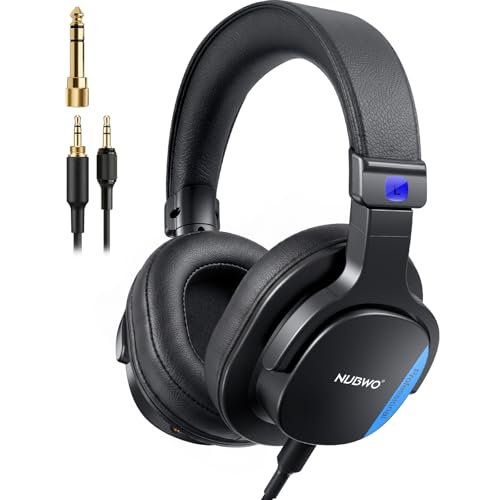
Your first job is the easiest and the most fun: go listen to rooms. Visit two or three at different times of day, because a space that's silent at 10am can sit under rush-hour traffic at 5pm. You'll need written permission from the building owner, a USB audio interface with a couple of inputs, a large-diaphragm condenser mic for vocals, closed-back headphones for everyone singing, and a computer running free software like Reaper or GarageBand. Handy extras: acoustic foam, heavy curtains, and a small MIDI keyboard for beat-makers. Check local zoning rules and ask your insurer about liability cover first.
Safety Tips
A good quest stays a good story. These are general notes; your gear's manual, the venue's rules and local law come first.
Stick to low-voltage gear that plugs into a wall outlet. Mains wiring, new outlets and anything behind a wall plate is a licensed electrician's job, full stop.
Unplug interfaces and powered speakers before you swap cables or move a rack, and never force a connector that won't seat properly.
Keep water bottles, coffee and mop buckets completely off the gear table.
Give each station its own surge-protected power strip and never daisy-chain strips together.
Tape cable runs down across walkways and never run a cable under a door.
Get the building owner's written permission before drilling, mounting panels or opening after hours, and confirm occupancy limits and fire exits with them.
Step-by-Step Guide
1
Go Listen to Rooms
180 min
Visit two or three possible spaces and just stand there with your ears open. Go once in the morning and once at rush hour, because traffic noise changes everything. Clap your hands and listen for a slappy echo bouncing off a wall. Ask the building owner about hours, occupancy limits and fire exits while you're there.
💡 Pro Tips:
• Rooms near highways or busy streets rarely work out. Stand in the middle and record thirty seconds on your phone, then listen back with headphones.
2
Build Your Crew and Rules
150 min
You want three to five people: someone who knows audio, someone who's good with people, and someone who'll actually keep a calendar. Over coffee, write a short operating agreement covering who's liable, what happens if gear breaks, your open hours and how you make decisions. Then get the owner's written permission and check your local zoning rules and insurance requirements.
💡 Pro Tips:
• Most spaces need liability insurance before the public can come in. Ask early, because quotes take longer than you'd think.
3
Tame the Echo
240 min
Here's the satisfying part. Clap once and find the wall that sends back that fluttery ring. Treat that wall first with foam, then spread the rest of your 24 to 48 panels around the spots where sound bounces. Hang heavy curtains over windows, throw rugs on hard floors, and push a full bookshelf into a corner. Clap again. Huge difference.
💡 Pro Tips:
• Filled bookshelves soak up mid-range sound beautifully and cost nothing if someone donates books.
4
Set Up and Label Everything
120 min
Plug the audio interface into the computer, hook up the condenser mic, and line up your three pairs of closed-back headphones so nobody's sound leaks into the mic. Install Reaper or GarageBand, both free. Then label every cable at both ends and print a laminated quick-start card. Future you, helping a nervous first-timer, will be very grateful.
💡 Pro Tips:
• Buy more XLR cables than you think you need. They vanish, they fail, and the spare always gets used.
5
Open the Doors
120 min
Time for drop-in hours. Post them anywhere people look: the bulletin board, the laundromat, the group chat. Run a short interface 101 walkthrough for whoever shows up, then sit someone down at the mic and hit record. When they've got a take they like, play it back out loud. Watch the room react.
💡 Pro Tips:
• Ask for permission on tape before you record anyone, and especially before recording kids. Thirty seconds of "is it okay if we record you?" saves a lot of awkwardness later.
6
Make It a Regular Thing
90 min
One good night deserves a second. Host a listening party where people play works-in-progress and everyone claps for the rough ones too. Set up simple tiers: newcomers record with a helper, trained members book solo, and your best regulars become mentors. Launch sliding scale memberships at $5 to $25 a month so the room keeps its lights on.
💡 Pro Tips:
• Member-led workshops and neighborhood sound walks cost you nothing and bring in people who'd never book a studio.
You built a room where your neighbors can hear themselves played back. Post your open hours somewhere public and invite the person who's been talking about starting a podcast.
Grab a friend and turn a spare room, closet or basement corner into a recording space that actually sounds good. You'll find the echo with a clap, hunt down the trouble spots with a mirror, hang treatment in the corners, then record a voice that sounds clean and close.
Your block has a soundtrack, and nobody's hit play
Can you build a tour of your block that a neighbor can follow with their eyes shut? Walk a ten-block circle with a friend, listen for six places that sound completely different, record a few minutes at each, then string the best ones into a ten-minute audio tour.