The best way to learn creative skills? Make bad art until it gets good.
Skip the theory. Build actual creative skills through practical projects—from sketching to pottery to music production.
Courses won't teach you creativity—making things will. This quest ditches the passive learning trap and throws you into the messy, rewarding work of actually creating. You'll pick a skill (drawing, pottery, music production, woodworking, whatever calls to you), set up a simple practice space, and commit to making one finished project every week for a month. No waiting until you're "ready." No collecting supplies you never use. Just repetition, failure, adjustment, and gradual improvement. The structure is simple: Week 1, you make something terrible while learning the basics. Week 2, you make something slightly less terrible. By Week 4, you've got four completed projects and muscle memory that no tutorial can give you. The goal isn't perfection—it's building the habit of finishing things and recognizing your own progress. You'll learn faster by doing a dozen rough sketches than by watching a hundred drawing videos. This works for any creative skill. Want to learn digital illustration? Make a new piece every Sunday. Want to try pottery? Throw four bowls, each one a little rounder than the last. The medium doesn't matter—the commitment to output does. You'll discover your style through repetition, not research. And you'll have a portfolio of messy, imperfect work that proves you're actually learning.
Choose one creative skill you've been putting off. Be specific—not "art," but "watercolor landscapes" or "throw pottery on a wheel" or "produce lo-fi hip hop beats."
Set up a dedicated practice space. Clear a corner of your kitchen table, claim a spot in the garage, or designate your desk after 8PM. Make it frictionless to start working.
Acquire the minimum viable tools. For drawing: paper and pencils. For pottery: find a local studio with open wheel time. For music: download a free DAW. Don't buy the fancy gear yet.
Commit to one finished project per week for four weeks. Mark it on your calendar. "Finished" means complete enough to share, even if it's rough.
Week 1: Make your first piece. Follow a basic tutorial if needed, but focus on finishing, not perfecting. Document it with a photo.
Week 2: Make your second piece. Try one new technique or variation. Notice what feels easier than last week.
Week 3: Make your third piece. Push slightly beyond your comfort zone—more detail, different subject, faster tempo, whatever challenges you.
Week 4: Make your fourth piece. Compare it to Week 1. The difference is your actual learning, not what you watched or read.
At the end of four weeks, lay out all four projects. Write down what improved, what still feels hard, and whether you want to continue or try a different skill.
If you're hooked, commit to another four-week cycle with slightly higher ambitions. If not, you still created eight things this month—that's more than most people create in a year.
Get everything you need to make this quest amazing.
Removes the barrier between wanting to create and actually creating. Having the right tools in one place means you can start immediately instead of hunting for supplies.
Basic tools for your chosen discipline—watercolor travel set, polymer clay starter pack, mini jewelry-making kit, portable sketch set, beginner calligraphy kit, or entry-level craft supplies
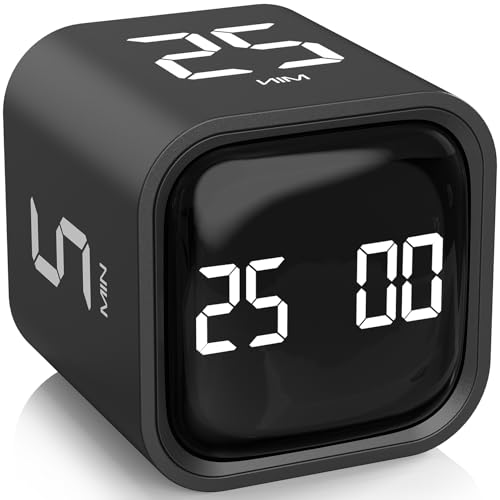
Enforces focused work sessions and prevents perfectionism paralysis. When the timer hits zero, the project is done, even if it's not "perfect."
Visual countdown timer that shows time remaining at a glance—cube timer, app like Time Timer, or simple kitchen timer
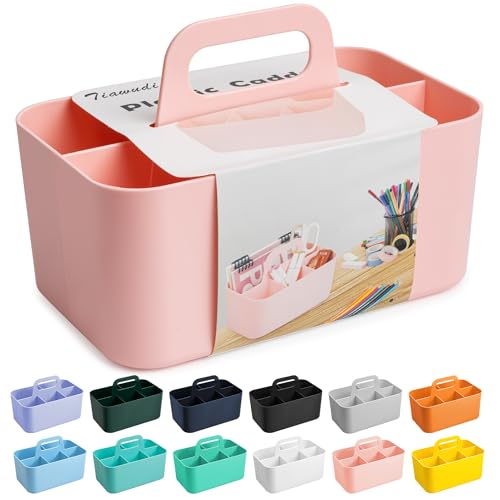
Lowers the activation energy for starting a session. When your tools live in one portable spot, you can work anywhere—kitchen table, park bench, friend's house.
Organized carrier for supplies—art caddy, tackle box, or compartmented tote that keeps everything in one grab-and-go container
Provides quick technique lookups when you're stuck, without the rabbit hole of ads and algorithm distractions. Use sparingly—watching is research, making is learning.
Access to project-based creative tutorials (Skillshare trial or ad-free YouTube for focused learning)
As an Amazon Associate, IRL Sidequests earns from qualifying purchases at no extra cost to you.
Prices and availability are subject to change. The price shown at checkout on Amazon at the time of purchase will apply.
Hand-selected quests our team thinks you'll love

Wake up with the birds and see your neighborhood through new eyes.

That rusted fire escape pattern? It belongs on a tote bag.

Your hands built the first bowls 20,000 years ago. They still can.