IRL Sidequests
Soundscaping: Capture Your City's Hidden Audio Landscape - Creative Arts quest for Intermediate level adventurers

Soundscaping: Capture Your City's Hidden Audio Landscape

Your city has a voice—most people just don't know how to listen.

About This Quest

Learn field recording techniques to capture, layer, and map your city's acoustic signature—from subway rumbles to rooftop wind patterns.

Walk through any neighborhood at 6AM and you'll catch the acoustic shift—garbage trucks grinding two blocks over, sparrows claiming territory in parking lot trees, that one bus route's air brake hiss. Most people tune it out. Soundscapers tune in. This quest teaches you to capture, analyze, and map the audio signatures that define urban space—the stuff film sound designers spend weeks recreating in studios because it's irreplaceable. Real soundscaping isn't about recording pretty bird songs. It's about documenting acoustic ecology: how sound moves through architecture, how traffic creates rhythm patterns, how weather changes a street corner's frequency response. You'll learn field recording technique (mic placement matters more than gear cost), basic audio editing to isolate layers, and geotagging methods to build actual sound maps. The L train platform at Union Square has a 2.3-second reverb tail when trains aren't running—details like that tell you about volume, materials, human flow. This works anywhere with distinct acoustic zones: industrial waterfronts at shift change, university quads between classes, market streets at different times of day. You're not making music (yet)—you're creating an audio archive that captures what a place actually sounds like before the next development project changes the soundscape forever. Architects and urban planners actually use this data. So do sound artists, documentarians, and people who just want to remember what their block sounded like in 2026.

Duration
2-4 hours
Estimated Cost
$60+
Location
Outdoor
Season
Year-round
Family Friendly
All ages welcome

Step-by-Step Guide

1

Scout your recording zone during different times—early morning, midday, evening. Map out 4-6 distinct acoustic areas within a 10-block radius. Look for contrast: enclosed spaces vs open, high-traffic vs empty, natural vs mechanical sound sources.

2

Set your recorder to 48kHz/24-bit WAV format. Calibrate input levels using headphones—aim for peaks around -12dB to -6dB, leaving headroom for unexpected loud sounds. Digital clipping destroys recordings permanently.

3

Start with ambient captures: 3-5 minute stationary recordings per location. Hold the windscreen steady at chest height, 180° away from your body. Minimize clothing rustle. Record silence—you're capturing room tone and background layers, not just events.

4

Capture specific sound events: train pass-bys, construction equipment cycles, crowd conversations, weather interactions with structures. Get 30-60 seconds of clean recording per event. Note exact GPS coordinates and compass direction in your phone.

5

Record architectural acoustics: clap or snap fingers in alleys, underpasses, stairwells, courtyards. The reverb signature tells you about space geometry. Stand in one spot, record a full 360° rotation to capture spatial audio differences.

6

Back home, import files into your audio editor with timecode intact. Label each file with location, time, weather, and dominant frequency content (low rumble, mid-range chatter, high mechanical whine). Trim dead space but preserve natural fade-ins and environmental context.

7

Layer 3-4 recordings from the same location at different times. Pan them across stereo field based on their geographic positions. This reveals how sound changes throughout the day—which sources are constant, which are temporal.

8

Build your sound map using geotagged audio points. Plot locations on a digital map, embedding audio clips with timestamps. Add notes about seasonal variations, construction projects, or unusual acoustic phenomena you noticed. This becomes your baseline for tracking how soundscapes evolve.

Gear Up for Your Quest

Get everything you need to make this quest amazing.

Portable Digital Field Recorder with Windscreen

Essential
$120-200

Dedicated handheld recorder with built-in stereo mics, 48kHz/24-bit capability, and foam/fur windscreen system

Get This Item

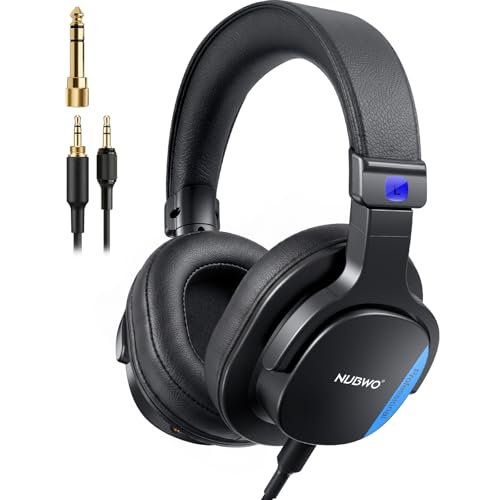
Closed-Back Studio Headphones

Essential
$60-90

Over-ear monitoring headphones with flat frequency response and good isolation

Get This Item

Audacity or Reaper Audio Editor

Essential
$0-60

Digital audio workstation software for editing, layering, and analyzing waveforms

Get This Item

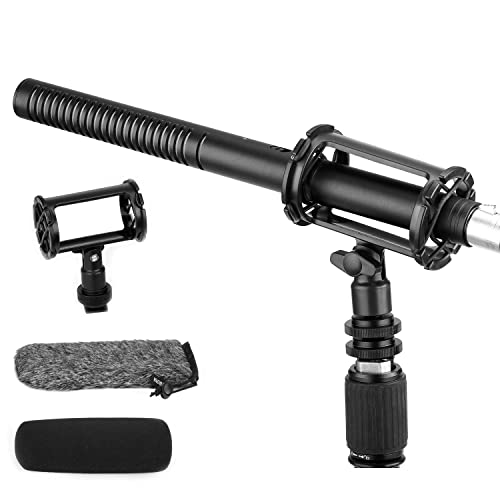
Shotgun Microphone Attachment

Recommended
$80-150

Directional condenser mic with focused pickup pattern and shock mount

Get This Item

Portable Power Bank with USB-C PD

Recommended
$35-50

20,000mAh battery pack with Power Delivery for extended recording sessions

Get This Item

💙 Shopping through these links helps support IRL Sidequests at no extra cost to you. Thanks for making adventures possible!