Build a ten-minute audio tour from six spots inside a ten-block radius, then play it for a friend with no hints and have them call out each corner by name as it comes up. Count the ones they get right out loud and tell them the score.
Bonus challenge: Give a silly award to the corner nobody could place, like Most Mysterious Puddle, and defend your choice.
Accept this questSaves it to your list, no account needed.
Time
2-3 hours
Cost
Free
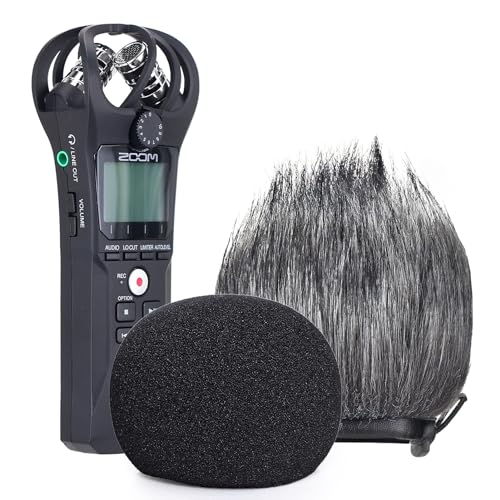
A phone and a voice memo app cover the whole thing for nothing. If you want to upgrade later, a handheld recorder runs about $150 and a furry wind cover about $10, but nothing here needs them.
solo, friends, date night · Adults and teens 16+, with an adult along for any session after dark or before sunrise
Level
Intermediate
Where
Outdoor
Season
Year-round
Spring and summer offer bird calls and cicadas; winter captures bare-branch wind. Rain requires waterproofing.
About This Quest
Can you build a tour of your block that a neighbor can follow with their eyes shut? Walk a ten-block circle with a friend, listen for six places that sound completely different, record a few minutes at each, then string the best ones into a ten-minute audio tour.
Put headphones on and your own street stops being scenery. A bus shelter hums. A chain-link fence sings when the wind leans on it. A parking garage throws your footsteps back at you like a cathedral.
You'll pick six spots that sound nothing alike, grab a few minutes at each, then lay the best bits end to end with soft fades so one corner melts into the next. No audio experience needed: point the mic at the air, stand very still, let the street talk. Then hand someone the headphones and see if they can name the corners.
Why This Quest Matters
You have walked past these corners hundreds of times and never once heard them. The alley has a drumbeat. The stairwell answers you late. And the best moment isn't the recording at all, it's the face of a friend who lives on the same street, headphones on, absolutely certain they know where they are and completely wrong.
What You'll Experience
Hunt the biggest echo: Clap your way around ten blocks and find the spot that answers loudest.
Catch a corner changing: Hear the same patch of sidewalk in daylight and at night and barely believe it.
Build your own tour: Stitch six places into one ten-minute piece that flows from quiet to loud.
Stump your friends: Play it blind and watch them argue about which corner is which.
What You'll Need
Top gear to make this quest great.
Pull it off
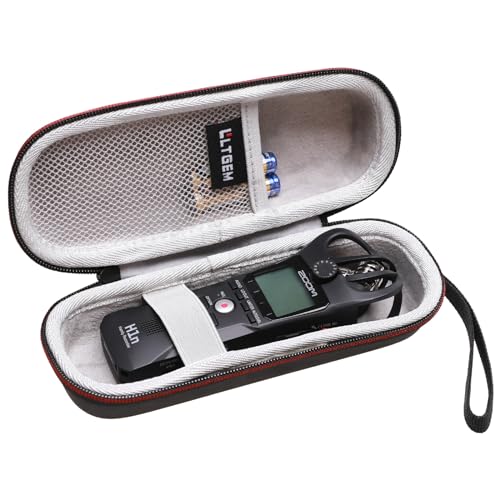
Zoom H1Essential Portable Recorder with MicroSDXC Card and Batteries
A pocket recorder that picks up stereo sound and even catches the two seconds before you press record.
As an Amazon Associate I earn from qualifying purchases. Prices may change.
Before You Begin
Half the fun is the scouting walk, so head out with a loose plan and let your ears pick the spots. A phone with a voice memo app is all you truly need, plus a cheap foam cover or a cupped hand against the breeze. Nice to have: a handheld recorder with fresh batteries, a furry wind cover, and closed-back headphones so you hear exactly what the mic hears. Loading docks, parking structures and land beside rail tracks are almost always private, so ask the business or building manager first, and pick another spot if the answer is no.
Safety Tips
A good quest stays a good story. These are general notes; your gear's manual, the venue's rules and local law come first.
Record from the sidewalk or behind a barrier, never from a roadway, a highway shoulder or a traffic island. Keep headphone volume low enough that you can hear engines coming.
For any session before sunrise or after dark, wear something reflective or clip on a light, stay on lit familiar routes, carry a charged phone, and tell someone your spots and your timing. Anyone under 18 brings an adult.
Loading docks, parking structures and rail-adjacent land are private property. Ask the business or building manager for permission first, and leave right away if you are asked to.
Never record on or near active rail tracks, and stay behind fences and off platforms you do not have access to.
Don't climb anything for a better angle. Stepping back usually sounds better than stepping up.
Point the microphone at the ambience, not at people. If someone asks what you are doing, explain plainly and offer to stop.
Step-by-Step Guide
1
Scout Your Six Spots
45 min
Walk a ten-block circle from your door and listen like you're shopping. You want six places that sound nothing alike: a garage or underpass with hard walls that throw echo back, a fence or grate the wind plays, a busy street that pulses, somewhere surprisingly quiet. Drop a pin on each one as you go.
💡 Pro Tips:
• Clap once in every spot. If the clap comes back at you, that place has an echo worth recording.
2
Get Set and Go
10 min
Fresh batteries, empty card, furry cover pushed on over the mic, headphones in. Set your recorder to its best uncompressed quality so the quiet details survive, and if it has a level knob, let a car pass and turn it down until the loud moment stops bumping the top of the meter. On a phone, just open voice memos and go.
💡 Pro Tips:
• Rename each clip right after you record it: date, place, time. Six spots over two visits blur together fast.
3
Record Your First Round
35 min
Here's the whole technique. Hold the recorder at chest height with your arms out a little so your body doesn't block the mic. Press record, stand completely still for thirty seconds, then turn slowly through one full circle until you hit three minutes. Do that at all six spots in the middle of the afternoon, when deliveries, voices and traffic are all in play.
💡 Pro Tips:
• That still first half-minute is usually the keeper. No clothing rustle, no footsteps, just the place breathing.
4
The Second Visit
30 min
Now the twist: go back and catch the same corners wearing a different mood. Pick a couple of favorites and return after 10 PM for the hum nobody notices, or, if you're an early riser, between 5:30 and 7 AM when the birds own the block. Bring a friend for this one and swap who holds the recorder.
💡 Pro Tips:
• Listen on headphones while you record. If you hear a low wind rumble, turn so your back is to the breeze.
5
Build the Ten-Minute Tour
40 min
Copy everything to a computer and listen through in a quiet room, noting the moments that make you sit up. Choose about ninety seconds from each of the six spots, lay them end to end with short crossfades so one place melts into the next, and export the finished ten minutes. Write a one-line description for every stop.
💡 Pro Tips:
• Order them by feel rather than by map: quiet, then loud, then quiet again gives the tour room to breathe.
6
The Blind Listening
20 min
Time for the good part. Put your friends on the couch with the headphones, say nothing about the order, and play it through while they call out guesses. People get the garage instantly and the bus shelter never. Hand out a silly award for the corner nobody could place, then walk the route together and play each stop exactly where you recorded it.
💡 Pro Tips:
• Keep the file. Record the same six spots in another season and play both versions back to back.
You just made a ten-minute portrait of six places your neighbors walk past without hearing. Play it for one of them and see how many corners they can name.
The Secret Sounds of Solid Things: A Contact-Mic Vibration Safari
Everything solid is humming. You just need the right ears.
Grab a friend and go listen to things that aren't making any sound. A contact mic sticks to a fence, a tree, a storefront window, and suddenly you hear traffic traveling through steel. Walk a 2km loop with five stops, then mix your best finds into a 90-second piece.
Urban Sound Mapping: Chart Your Neighborhood's Acoustic Fingerprint
Your block has a sonic signature—time to decode it.
Document and map the unique soundscape of your neighborhood using field recording techniques. Create an acoustic portrait that reveals patterns invisible to the eye.
Photography & Visual Documentation: Building a Neighborhood Archive
Your block is changing. Catch it in the act.
Grab a friend, pick a few blocks near home, and photograph every building front with your phone. Then come back next month and do it again. Line up the two shots and you'll spot the new paint, the faded sign, the shop that changed hands.