
Urban Sound Mapping: Chart Your Neighborhood's Acoustic Fingerprint
Your block has a sonic signature—time to decode it.
About This Quest
Document and map the unique soundscape of your neighborhood using field recording techniques. Create an acoustic portrait that reveals patterns invisible to the eye.
Every neighborhood has an acoustic fingerprint. The hydraulic hiss of bus brakes at the same intersection. Construction hammers that start exactly at 7:03 AM. The shift in bird calls between the bodega block and the residential street three blocks over. Most people tune this out. You're going to tune in and document it systematically. This isn't just wandering around with headphones. You'll use actual field recording methods to capture, categorize, and map sound sources across a defined area. Pick a six-block radius. Walk a grid pattern. Record 30-second samples at intersections. Note the decibel range, dominant frequencies, and recurring patterns. The delivery truck that idles outside the bagel shop every Tuesday at 6:45 AM becomes a data point. The construction site's jackhammer rhythm becomes measurable. You're building an acoustic inventory. The payoff hits when you map it visually. Quiet zones appear where you didn't expect them. Noise corridors reveal traffic patterns the city planners missed. You'll spot the acoustic edge where residential becomes commercial, where one demographic's soundtrack gives way to another's. Some mappers use color coding for sound types. Others track decibel levels with heat maps. Your call—just make it tangible enough that someone else could read your neighborhood by ear.
Why This Quest Matters
You'll discover an entirely parallel version of your neighborhood that exists only in sound. Quiet zones appear where you assumed chaos lived. Noise patterns expose traffic flows and demographic shifts that maps can't show. You're building a document that captures what your block actually sounds like right now—before the construction ends, before the bus route changes, before the bodega closes.
What You'll Experience
- Field recording methods used by sound designers and acoustic researchers
- How to identify and measure urban noise patterns systematically
- Where the actual quiet zones and noise corridors are in your area
- How sound reveals demographic and commercial boundaries
- Your neighborhood's acoustic signature as a tangible, shareable artifact
What You'll Need
Top gear to make this quest great.
Pull it off
Handheld Digital Audio Recorder with Windscreen
Smartphone mics pick up handling noise and compress audio poorly. Dedicated recorders capture cleaner ambient sound with better dynamic range, essential for distinguishing between a distant siren and nearby HVAC hum. The windscreen eliminates the whooshing that ruins outdoor recordings.
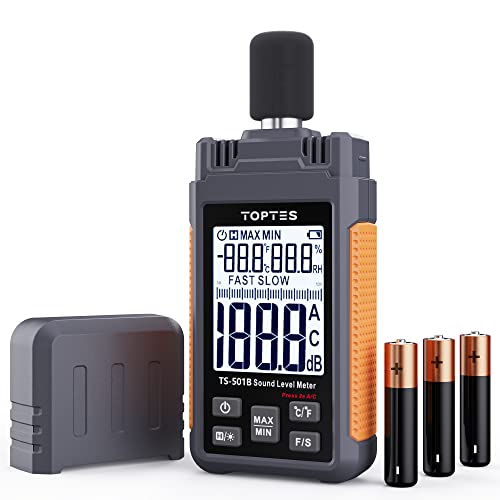
Free apps are wildly inaccurate. A $5-10 calibrated app gives readings within 2-3 dB of professional meters, letting you create actual noise maps with defensible data. Shows weighted measurements (A-weighted for human hearing perception) crucial for comparing different sound environments.
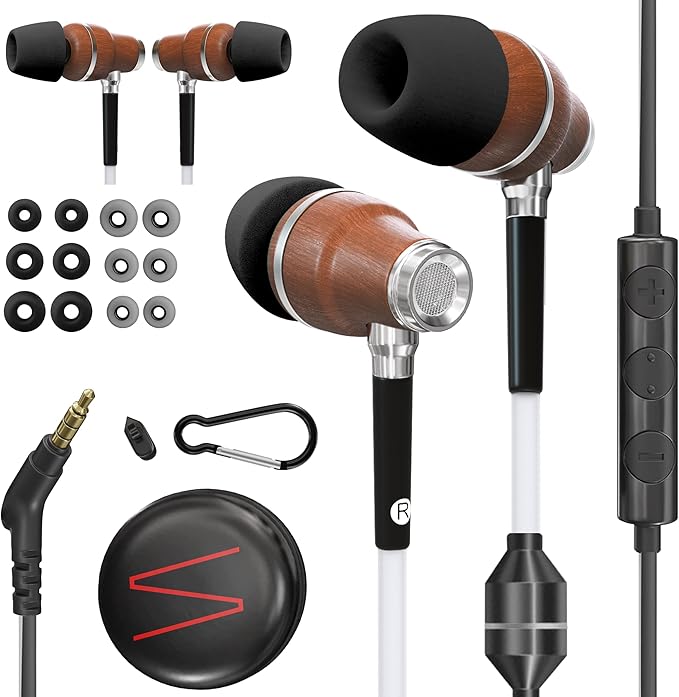
Standard recorders create flat, mono soundscapes. Binaural mics capture left-right positioning and depth, so playback recreates the experience of standing at that intersection—the bus passing left to right, the conversation behind you. Makes your audio map immersive instead of documentary.
As an Amazon Associate I earn from qualifying purchases. Prices may change.
Step-by-Step Guide
Map your six-block recording grid
Pick a six-block radius or half-square-mile zone. Draw it on a physical map or screenshot with cardinal directions marked. Divide it into a grid with recording points every 2-3 blocks at intersections or midpoints. Plan your walking route to hit each point systematically.
💡 Pro Tips:
- • Choose a neighborhood you think you know well—the surprises hit harder
- • Grid points at intersections capture sound transitions better than random spots
Baseline your recording equipment
Find a genuinely quiet location like a library reading room or empty parking garage. Record 30 seconds of silence to establish your device's noise floor. This reference point helps you distinguish actual quiet zones from equipment hum later.
💡 Pro Tips:
- • Test your sound meter app against known-quiet spaces to catch calibration issues early
Record and tag each grid point
At every point on your grid, stand still and capture 30-60 seconds of ambient sound without narration. Immediately classify each recording by type: traffic, voices, nature, mechanical, music, construction. Rate intensity on a 1-5 scale and log decibel readings with your phone's meter app. Note exact time and weather. When something distinctive happens—ice cream truck jingle, argument, car alarm—record a separate clip as an acoustic landmark.
💡 Pro Tips:
- • Photograph dominant sound sources so you can identify them later when reviewing 40+ clips
- • Log the decibel range during each recording, not just the peak moment
Map your acoustic data visually
Transfer your recordings onto your map using symbols or color codes for different sound types. Draw intensity zones based on your decibel readings. Mark quiet pockets and noise hotspots. The spatial patterns reveal noise corridors, demographic boundaries, and zones the city planners missed.
💡 Pro Tips:
- • Heat maps work well for decibel levels; color coding works for sound type categories
Identify the sonic transitions
Listen to recordings in sequence along your walking route. Notice where street noise drops off, bird sounds surge, or the acoustic character shifts from residential to commercial. These transition zones are your neighborhood's sonic borders—where one soundtrack gives way to another.
💡 Pro Tips:
- • Compare recordings from the same spot at different times if you can—morning versus evening reveals different acoustic lives
Compile your neighborhood's sound signature
Create a master mix by stitching together 10-15 second clips from different zones. This audio tour becomes your area's acoustic fingerprint—a document of hydraulic bus hisses, construction rhythms, and the exact moment the soundscape changes three blocks over.
Gear Up for Your Quest
The gear that makes this quest work.
Pull it off

Handheld Digital Audio Recorder with Windscreen
Smartphone mics pick up handling noise and compress audio poorly. Dedicated recorders capture cleaner ambient sound with better dynamic range, essential for distinguishing between a distant siren and nearby HVAC hum. The windscreen eliminates the whooshing that ruins outdoor recordings.
+ complete the kit — 3 more

Free apps are wildly inaccurate. A $5-10 calibrated app gives readings within 2-3 dB of professional meters, letting you create actual noise maps with defensible data. Shows weighted measurements (A-weighted for human hearing perception) crucial for comparing different sound environments.
Smartphone app that provides accurate decibel measurements, calibrated to ANSI standards
Get on Amazon · $29.99 — Sound Level Meter App (Calibrated)details & deals →
Binaural Microphone Earbuds
RecommendedStandard recorders create flat, mono soundscapes. Binaural mics capture left-right positioning and depth, so playback recreates the experience of standing at that intersection—the bus passing left to right, the conversation behind you. Makes your audio map immersive instead of documentary.
In-ear microphones that record sound as your ears hear it, creating 3D audio with natural spatial positioning
Get on Amazon · $49.95 — Binaural Microphone Earbudsdetails & deals →
Portable Power Bank (10,000+ mAh)
RecommendedThree hours of continuous recording plus GPS tracking and decibel monitoring drains batteries fast. A power bank means you complete your full grid without gaps. Also lets you extend sessions if you discover an interesting acoustic event worth following.
High-capacity external battery with multiple USB ports for charging recorder and phone simultaneously
Get on Amazon · $21.99 — Portable Power Bank (10,000+ mAh)details & deals →RELATED GEAR GUIDE
Night Walk Safety Gear: Be Seen, Be Heard, See Everything
Field-tested picks · Urban Exploration
As an Amazon Associate, IRL Sidequests earns from qualifying purchases at no extra cost to you.
Prices and availability are subject to change. The price shown at checkout on Amazon at the time of purchase will apply.
Editor's Picks
Hand-selected quests our team thinks you'll love

Urban Food & Beverage Culture Quest
The best food in your city isn't on Yelp's front page—it's where rent is cheap and menus aren't in English.

Historical Walking Tour: Read Your City's Hidden Stories
Every sidewalk crack has a story—you just need to know where to look.

Architecture Scavenger Hunt: Decode Your City's Hidden Design Language
That building you pass every day? It's been screaming details at you that you've never noticed.