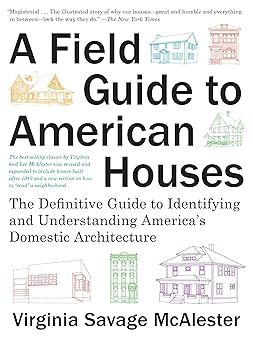
Hunt for architectural details hiding in plain sight—corbels, keystones, terra cotta faces, and century-old brickwork patterns that tell your city's real story.
Most people walk past buildings registering only 'old' or 'new'. But every structure is packed with intentional design choices—decorative corbels supporting nothing, gargoyle drain spouts shaped like mythical creatures, brickwork patterns that signal the decade it was built, ghost signs for businesses dead 80 years. These details aren't random. They're a language.
This hunt trains your eye to catch what's actually there. You'll search for specific architectural elements: different column styles (Doric, Ionic, Corinthian), masonry bonds (running, Flemish, English), terra cotta ornaments, date stones, architectural styles overlapping on the same block. The downtown core of any city built before 1960 works perfectly—that's where you get the density of different eras smashed together.
By the end, you'll never look at buildings the same way. That blank facade suddenly has texture, history, craftsmanship. You'll notice when a cornice has been removed, when a storefront was filled in, when aluminum siding covers up brick. You're not just walking anymore—you're reading the city's autobiography written in stone, brick, and iron. Once you've mastered these fundamentals, you can explore more architecture quests that dive deeper into specific styles and periods. This architectural focus pairs well with other downtown scavenger hunts and urban exploration quests that will transform how you experience city streets.
Why This Quest Matters
Once you finish this hunt, you'll never walk past buildings the same way again. That supposedly blank facade suddenly has texture, history, craftsmanship—you'll spot when cornices have been removed, when storefronts were filled in, when aluminum siding covers original brick. You're not just walking anymore; you're reading the city's autobiography written in stone, brick, and iron.