Every sidewalk crack has a story—you just need to know where to look.
Navigate your city's layered past through architecture, street patterns, and forgotten landmarks. A methodical approach to reading urban history in real-time.
Most people walk past century-old buildings without noticing the faded ghost signs, bricked-over doorways, or mismatched brickwork that tells a neighborhood's real story. This quest teaches you to conduct your own historical walking tour by reading physical evidence—the scars, layers, and architectural details that official plaques rarely mention. You'll learn to spot where trolley tracks once ran under asphalt, identify building eras by window styles, and trace neighborhood evolution through storefront bones. Start in your city's oldest commercial district, ideally somewhere built between 1880-1930 with minimal modern renovation. The morning light hits building facades at an angle that reveals texture—brick repairs, old signage shadows, and architectural details flatten out by noon. Spend the first hour just observing: look up at rooflines, down at foundation stones, sideways at alley configurations. Buildings preserve history vertically—street level gets renovated constantly, but third-floor windows often retain original details. The real skill is connecting what you see to what happened. That empty lot? Check if the adjacent buildings have fire-scorched bricks on one side. Those unusually wide sidewalks? Probably a former streetcar route. Windows bricked halfway up? Coal delivery access from when basements held furnaces. You're not just taking a walk—you're learning to read the city as a physical historical document that updates itself in real-time through adaptation, decay, and preservation.
Choose your route: Select a 1-2 mile loop in a pre-1950s neighborhood with varied architecture. Avoid fully gentrified areas—you want visible history layers, not restored uniformity.
Pre-walk research (30 minutes): Pull up Sanborn fire insurance maps (1880s-1950s) for your route on your library's digital archives. Screenshot 2-3 key intersections. Compare historic maps to current Google Street View—spot what vanished and what persisted.
Start at a landmark anchor: Begin at a dated building (courthouse, old bank, historic church) with a cornerstone year. This establishes your temporal reference point. Photograph it straight-on, noting architectural style.
Walk slow, observe high and low: Move at 1 block per 10 minutes. Scan rooflines for old painted advertisements (ghost signs). Check sidewalks for old utility covers, embedded trolley rails, or stamped contractor dates. Look for mismatched bricks indicating repairs or infill.
Document architectural tells: Photograph window hood styles, cornice details, foundation materials. Buildings evolve—a 1920s storefront might have 1890s upper floors. Use your voice recorder to note observations without breaking stride.
Trace infrastructure ghosts: Follow unusually wide streets (former streetcar lines) or abrupt street-grid changes (old property boundaries). Alley patterns reveal how goods moved before trucks. Water your observations with 'why is this here?' questions.
Identify adaptive reuse: Spot converted buildings—garage doors now windows, loading docks now patios, tall industrial windows in 'loft apartments'. Note what changed and what original features they kept for character.
Cross-reference at mid-point: Stop in a cafe, pull out your historic map screenshots. Mark what you've verified (that church was there in 1910) versus what surprised you (the 'old' bar replaced a grocery in 1985).
Explore a side mystery: Pick one detail that intrigues you—a bricked doorway, an odd building gap, ornate ironwork. Spend 15 minutes investigating just that element around the neighborhood. Patterns emerge.
End at a transformation point: Finish somewhere that dramatically shows change—maybe where an elevated highway cut through the neighborhood, or a new development meets old fabric. Capture the contrast.
Post-walk documentation (30 minutes): Upload photos with location tags. Write 3-5 observations that surprised you. Research one mystery element using local history forums or library databases.
Get everything you need to make this quest amazing.
Apps like 'Otter.ai' (free tier) or 'Voice Recorder Pro' that auto-timestamp and locate recordings
Get This ItemSmall clip-on lens (10x-20x magnification) that attaches to your phone camera
Get This ItemApps like 'OldMapsOnline' or 'Historic Overlay Maps' that overlay archival maps on GPS
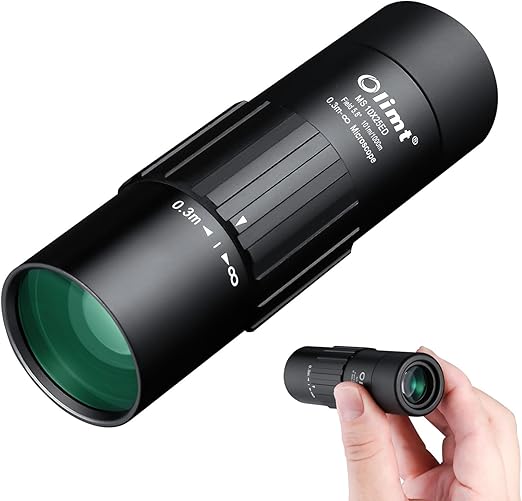
Get This ItemPocket-sized single telescope, smaller than binoculars
Get This Item💙 Shopping through these links helps support IRL Sidequests at no extra cost to you. Thanks for making adventures possible!
Hand-selected quests our team thinks you'll love

Cozy, gooey, unforgettable nights.

Turn your kitchen into a mad scientist’s bar.

Sharpshooter bragging rights start here.