The best food in your city isn't on Yelp's front page—it's where rent is cheap and menus aren't in English.
Navigate your city's authentic food scene through ethnic markets, street vendors, craft breweries, and neighborhood joints that locals actually frequent.
Your city's real food story isn't written in restaurant reviews or food blogger Instagram posts. It's scribbled on hand-painted signs above produce stalls, shouted between cooks in restaurant kitchens, and poured into mismatched glasses at dive bars where the bartender knows your order. This quest takes you through the neighborhoods where food is culture, not content. You'll hit ethnic grocery stores where grandmas argue over which fish is freshest, street vendors who've perfected one dish over twenty years, corner bars pouring local craft before it gets distribution, and bakeries where the line out the door speaks every language but the one you grew up with. The goal isn't Instagrammable plates—it's understanding how migration patterns, neighborhood economics, and community bonds shape what people eat and drink. Bring cash, an open mind, and enough appetite to sample without filling up. The rhythm here is slow: chat with vendors, ask what they eat at home, notice who's shopping where and when. By the end, you'll have a mental map of your city's food arteries—the supply chains, family recipes, and corner spots that make a place taste like itself.
Start at an ethnic grocery market in a historically immigrant neighborhood—arrive mid-morning when it's busy but not packed. Walk the aisles slowly. Notice what takes up the most shelf space, what's sold in bulk, what ingredients you don't recognize. Ask a staff member to recommend something they grew up eating.
Hit a street food vendor or food truck near the market—bonus points if there's no English signage. Order whatever has the longest line or what the person in front of you got. Eat standing up, watch the workflow, notice how they've optimized their setup over years of repetition.
Walk to a neighborhood bakery that's been around for at least a decade. Not a trendy sourdough spot—a place where older folks come for their daily bread. Buy something warm, ask when they bake it, observe who's buying what. The morning regulars will tell you everything about a neighborhood.
Find a local brewery, cidery, or coffee roaster with a small tasting room—preferably one that's only been open a few years and sources locally. Talk to whoever's pouring. Ask about their suppliers, their process, what they're experimenting with. Try a flight or sampler to understand their range.
End at a corner bar or neighborhood restaurant that's clearly not trying to be discovered—peeling paint is a good sign, as are handwritten specials and a TV playing sports nobody asked for. Order a drink and whatever they're known for. Sit at the bar if you can. Listen more than you talk. This is where the neighborhood digests its day.
Map your route as you go—note the cross streets, the names of places, what language you heard most. Take a photo of one ingredient or dish you'd never heard of before. Write down one conversation you had. This is your primary source material for understanding how your city actually eats.
Get everything you need to make this quest amazing.
Stack of ones, fives, and tens from an ATM—avoid carrying large bills
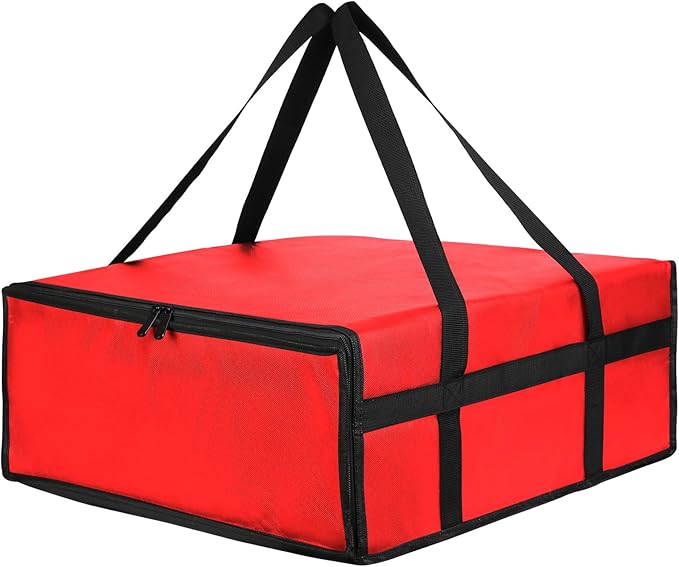
Get This ItemCompact insulated tote that keeps hot foods hot and cold items chilled while you move between stops
Get This ItemGoogle Translate or similar app with downloaded language packs for your city's major immigrant languages
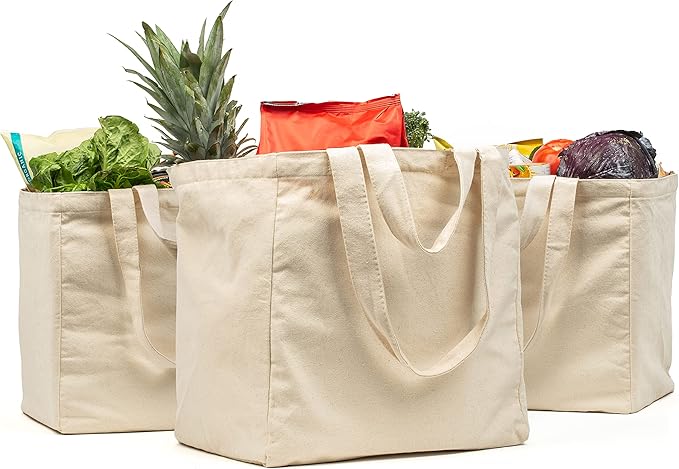
Get This ItemSturdy canvas or woven bag that folds flat—look for ones with reinforced handles
Get This Item💙 Shopping through these links helps support IRL Sidequests at no extra cost to you. Thanks for making adventures possible!
Hand-selected quests our team thinks you'll love

Cozy, gooey, unforgettable nights.

Turn your kitchen into a mad scientist’s bar.

Sharpshooter bragging rights start here.