Transform your city footprint by mastering the sustainability skills that define urban living in 2026.
Master practical urban sustainability skills through hands-on workshops and community learning in your city's eco-innovation spaces.
Urban Sustainability Skills Hubs are emerging as community anchors in 2026, where residents gather to learn practical green living techniques adapted for city environments. These spaces—from repurposed libraries to innovation centers—offer hands-on workshops in composting systems, renewable energy basics, upcycling, urban agriculture, waste reduction strategies, and sustainable technology integration. Unlike passive learning, these hubs emphasize experiential skill-building where you leave with actionable knowledge and often starter materials to implement changes at home. This quest guides you through identifying sustainability hubs in your area, selecting workshops aligned with your interests and living situation, and building a personalized eco-skill repertoire. You'll engage with circular economy principles, learn from urban sustainability practitioners, and connect with a community of environmentally conscious neighbors. The skills you acquire compound over time—composting knowledge leads to nutrient cycling understanding, which connects to urban gardening, which inspires food waste reduction strategies. By completing this quest, you'll develop confidence in sustainable living practices that work within urban constraints, reduce your environmental impact measurably, and gain the knowledge to advocate for greener policies in your community. You'll also discover the social dimension of sustainability: these hubs foster collaboration, skill-sharing networks, and collective action that amplifies individual efforts into neighborhood-level change.
Top gear to make this quest great.

Provides concrete data on appliance energy use for workshops focused on home energy auditing, allowing you to identify consumption patterns and validate efficiency improvements with measurable results

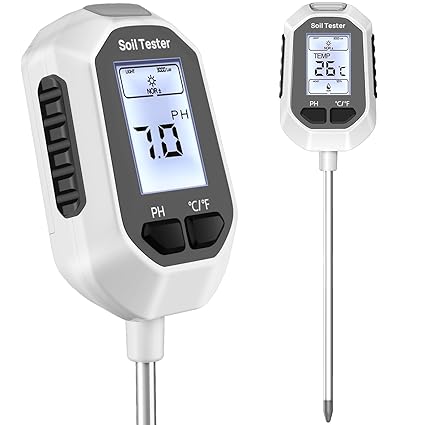
Enables you to troubleshoot composting or urban gardening projects with scientific precision, transforming workshops from theory to applied learning with diagnostic capabilities

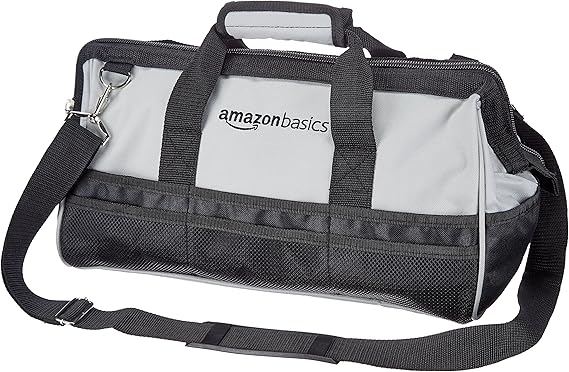
Streamlines participation in multiple workshop types while demonstrating reusability principles, with organization features that protect delicate items like seedlings or electronics projects during transit
As an Amazon Associate I earn from qualifying purchases. Prices may change.
Research sustainability hubs in your city using online directories, municipal environmental programs, library systems, maker spaces, community centers, and university extension programs. Look for spaces offering regular workshops, drop-in hours, or skill-sharing events focused on urban ecology, zero waste, renewable energy, or circular economy practices.
Review their workshop calendars and identify 3-5 sessions that align with your living situation and sustainability goals. Prioritize foundational skills like composting for apartment dwellers, energy auditing basics, textile repair and upcycling, or urban food growing. Register in advance as popular sessions often fill quickly.
Attend your first workshop fully prepared to engage hands-on. Bring your reusable documentation method and any specified materials. Take detailed notes not just on techniques but on resource lists, troubleshooting tips, and local supplier recommendations. Ask instructors about common urban challenges specific to your housing type.
During the session, connect with fellow participants to exchange contact information for skill-sharing and resource pooling. Many lasting sustainability networks form through these initial workshop connections. Volunteer to share your own skills or expertise in future sessions to deepen community ties.
Immediately after the workshop, implement at least one learned technique in your home within 48 hours while knowledge is fresh. Document your setup with photos and notes. Start small—a countertop compost bin, LED bulb replacement audit, or capsule wardrobe assessment. Success builds momentum for larger changes.
Return to the hub for follow-up sessions, open lab hours, or advanced workshops. Many hubs offer progression pathways where foundational skills connect to more complex systems. Consider joining a working group, volunteering as a workshop assistant, or proposing new topics based on community needs.
Track your sustainability metrics over 90 days: waste reduction percentages, energy consumption changes, food miles decreased, or money saved through repair instead of replacement. Share results with the hub community to inspire others and refine your practices based on peer feedback.
Get everything you need to make this quest amazing.

Provides concrete data on appliance energy use for workshops focused on home energy auditing, allowing you to identify consumption patterns and validate efficiency improvements with measurable results
Smart plug with real-time energy consumption tracking and smartphone app integration
Get on Amazon · $34.99
Enables you to troubleshoot composting or urban gardening projects with scientific precision, transforming workshops from theory to applied learning with diagnostic capabilities
Multi-parameter testing kit for soil or compost analysis including pH, nitrogen, phosphorus, and potassium levels
Get on Amazon · $32.98Bridges workshop learning with daily habit formation through goal-setting, progress visualization, and community challenges that maintain motivation between hub sessions
Gamified sustainability app that tracks eco-actions, provides challenges, and connects you with local green initiatives

Streamlines participation in multiple workshop types while demonstrating reusability principles, with organization features that protect delicate items like seedlings or electronics projects during transit
Durable canvas bag with multiple compartments designed for carrying workshop materials, tools, and project supplies
Get on Amazon · $19.98
Enhances upcycling and zero-waste workshops by revealing material composition invisible to naked eye, enabling better sorting decisions and material reuse strategies based on actual polymer types
Ultraviolet flashlight for identifying plastic types, checking cleaning product residues, and detecting petroleum-based materials
Get on Amazon · $8.99As an Amazon Associate, IRL Sidequests earns from qualifying purchases at no extra cost to you.
Prices and availability are subject to change. The price shown at checkout on Amazon at the time of purchase will apply.
Hand-selected quests our team thinks you'll love

Every sidewalk crack has a story—you just need to know where to look.

That building you pass every day? It's been screaming details at you that you've never noticed.

Your city has layers most people never see—here's how to peel them back.