Learn essential urban exploration safety protocols, risk assessment, and technical skills from experienced urbex practitioners. Hands-on training for abandoned building navigation.
Most people think urban exploration is about finding cool buildings and taking photos. That's maybe 20% of it. The other 80% is knowing when to turn back, how to read structural damage, and what that weird smell actually means. I've watched too many eager explorers underestimate rotted floors or misread asbestos warnings because nobody taught them the fundamentals.
This isn't a walking tour—it's a skills workshop combining classroom theory with practical field assessment. You'll learn to evaluate structural integrity before entering, identify common hazards from lead paint to biological contaminants, navigate without GPS when you're three floors below street level, and execute proper emergency protocols. The morning covers risk assessment frameworks and legal considerations; afternoon puts you in controlled practice scenarios with experienced urbex guides who've logged hundreds of hours in abandoned industrial sites.
By sunset, you'll understand why experienced explorers spend more time planning than actually exploring. You'll know the sound of compromised flooring versus solid concrete, recognize the visual signatures of different mold species, and understand when that "adventure rush" is actually your brain warning you to back out. This training treats urban exploration as a technical skill set, not an adrenaline sport—because the buildings that survive longest are explored by people who respect both the space and their own limits.
Why This Quest Matters
You'll stop relying on luck and start reading buildings like text—knowing when that floor won't hold, what that smell means, and when your gut is telling you to turn back. The confidence that comes from technical knowledge lets you explore further and smarter, not just bolder. By the end, you'll understand why experienced explorers spend more time planning than photographing.
What You'll Experience
Visual and auditory signatures of structural compromise before you step on it
How to distinguish hazardous materials (asbestos, lead paint, toxic mold) by appearance
Navigation and egress protocols for GPS-denied underground environments
The decision-making framework for when to abort an exploration
Emergency response procedures specific to abandoned structure scenarios
What You'll Need
Top gear to make this quest great.
Pull it off
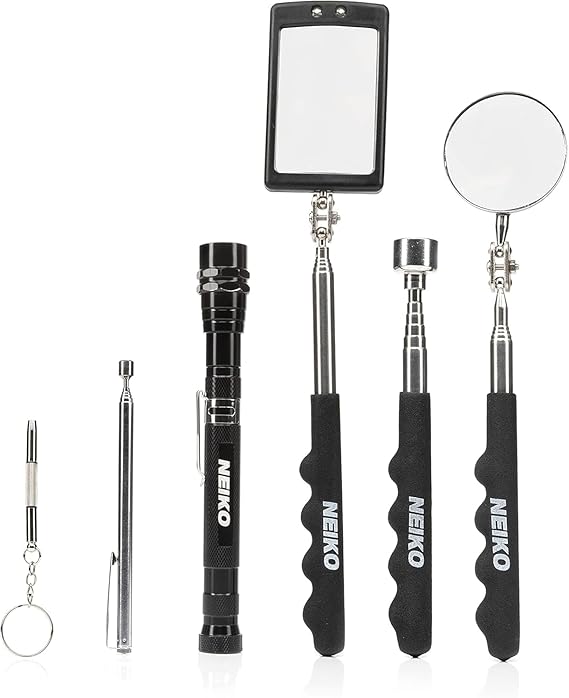
Structural Inspection Flashlight with Red/White Modes
Essential for identifying structural damage patterns, examining ceiling conditions, and maintaining night vision when transitioning between dark and lit spaces. Standard phone lights lack the beam focus and power needed for proper inspection.
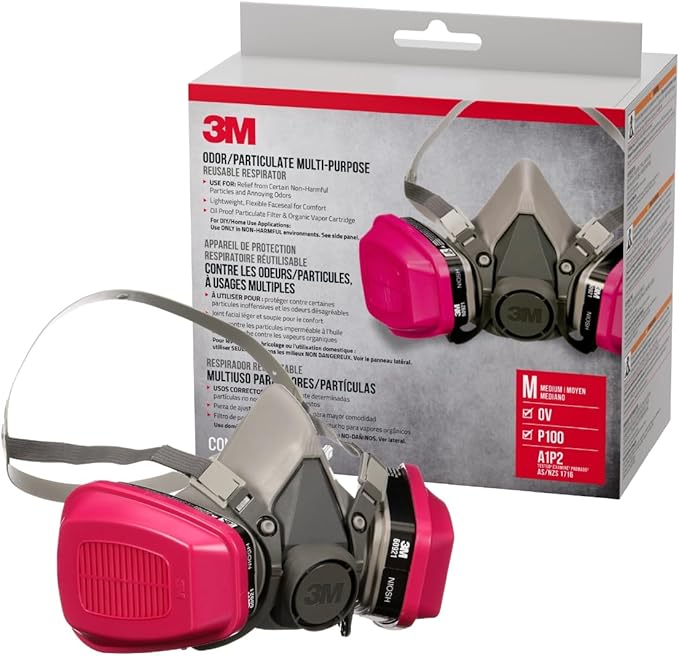
Protects against the most common airborne hazards in abandoned structures. Training includes proper fit-testing and seal-checking—you'll actually use this during field exercises in spaces with confirmed particulate hazards.
Transforms guesswork into data-driven decisions. The moisture meter reveals hidden water damage before you step on compromised flooring; crack gauges help you measure whether structural fissures are stable or active.
As an Amazon Associate I earn from qualifying purchases. Prices may change.
Step-by-Step Guide
1
Complete Morning Classroom Fundamentals
Arrive 15 minutes early in closed-toe boots for waivers and equipment check. Study structural assessment principles including load-bearing identification, decay patterns, and hazard recognition through actual case examples from urban exploration incidents. Move into hazardous materials identification—learn to distinguish asbestos from fiberglass, spot lead paint indicators, and recognize mold species by sight and smell.
💡 Pro Tips:
• Bring a notebook—you'll reference these hazard signatures in the field within hours
• The case examples aren't horror stories; they're pattern recognition training
2
Master GPS-Denied Navigation Techniques
Practice orientation systems for concrete-encased spaces and multi-level basements where signals vanish. Learn analog backup methods, egress route mapping, and communication protocols for when you're three floors below street level with no connectivity.
💡 Pro Tips:
• Your phone's compass still works underground—but only if you know how to use it properly
3
Conduct Field Assessments at Training Site
Apply classroom knowledge at a controlled-access location with experienced urbex guides. Test floor stability using proper techniques, identify environmental hazards in real conditions, and practice the structural evaluation sequence before entry. This is where theory becomes muscle memory.
💡 Pro Tips:
• Listen for the sound differences between compromised and solid flooring—it's more reliable than visual inspection alone
4
Execute Emergency Scenario Simulations
Practice injury response, rapid egress under limited visibility, and emergency services coordination. Work through the decision-making framework for aborting an exploration—the skill that separates experienced explorers from lucky ones.
5
Analyze and Certify Your Skills
Review body-worn camera footage from field exercises with instructors and participants to examine decision points. Complete the certification assessment covering risk evaluation, hazard identification, and emergency protocols. Leave with a personalized safety checklist and access to the ongoing urbex safety community network.
💡 Pro Tips:
• The footage review reveals hesitations and oversights you didn't notice in the moment
Structural Inspection Flashlight with Red/White Modes
Essential for identifying structural damage patterns, examining ceiling conditions, and maintaining night vision when transitioning between dark and lit spaces. Standard phone lights lack the beam focus and power needed for proper inspection.
Protects against the most common airborne hazards in abandoned structures. Training includes proper fit-testing and seal-checking—you'll actually use this during field exercises in spaces with confirmed particulate hazards.
Half-face respirator with replaceable P100-rated particulate filters rated for mold, asbestos, and lead dust protection
Transforms guesswork into data-driven decisions. The moisture meter reveals hidden water damage before you step on compromised flooring; crack gauges help you measure whether structural fissures are stable or active.
Compact kit including moisture meter, crack width gauge, and probe tool for testing material integrity
Your backup when cell service fails three floors below grade or inside concrete industrial complexes. Enables emergency extraction even when standard communication fails—and you'll test it during underground navigation exercises.
GPS-independent emergency beacon or mesh network communicator for underground or signal-blocked locations
Pre-download facility maps and mark your route in real-time even when underground. During training, you'll use this to create detailed hazard maps of the practice site—a skill that becomes critical for planning actual explorations.
GPS mapping application with offline functionality and ability to mark entry points, hazards, and egress routes without cellular connection
Architecture Scavenger Hunt: Decode Your City's Hidden Design Language
That building you pass every day? It's been screaming details at you that you've never noticed.
Hunt for architectural details hiding in plain sight—corbels, keystones, terra cotta faces, and century-old brickwork patterns that tell your city's real story.
The best food in your city isn't on Yelp's front page—it's where rent is cheap and menus aren't in English.
Navigate your city's authentic food scene through ethnic markets, street vendors, craft breweries, and neighborhood joints that locals actually frequent.
Historical Walking Tour: Read Your City's Hidden Stories
Every sidewalk crack has a story—you just need to know where to look.
Navigate your city's layered past through architecture, street patterns, and forgotten landmarks. A methodical approach to reading urban history in real-time.