Transform your city into a living game board through AR challenges, geocaching networks, and location-based missions that blur the line between digital and physical reality.
Walk past that corner bodega three times a week and never notice the QR code tucked behind the menu board. That fire hydrant? It's a checkpoint in a city-wide scavenger hunt that's been running for two years. The augmented reality layer exists whether you're looking at it or not—geocaches hidden in plain sight, AR portals anchored to specific GPS coordinates, location-based missions that only unlock when you're standing in exactly the right spot.
Urban gaming turns familiar streets into discovery zones. You're not just walking—you're solving puzzles embedded in architecture, following cryptic clues to physical waypoints, competing for virtual territory tied to real locations. Some games layer fantasy creatures onto city landmarks through your screen. Others hide actual containers (geocaches) that you sign and trade items from. The best part? Other players have left trails, tips, and challenges across your neighborhood that you've been walking past blind.
The learning curve hits fast—GPS accuracy matters when a cache is hidden within a three-foot radius, battery management becomes critical during four-hour game sessions, and you develop a sixth sense for suspicious "natural" hiding spots. But once you're in, you see the city differently. That weird sculpture downtown? It's an AR gym. The alley you've ignored? Three geocaches within fifty meters. Your morning commute becomes a resource-gathering route.
Why This Quest Matters
Once you see the game layer, the city never looks boring again. That commute becomes a resource run, that lunch break becomes a three-cache sprint, and you'll find yourself taking weird detours because you know there's a portal behind that bakery. You're not escaping the city—you're finally seeing what's been hidden in it all along.
What You'll Experience
GPS-based puzzle solving and coordinate navigation
How to spot camouflaged containers and unnatural hiding spots in urban environments
Battery management and offline map strategies for extended play sessions
Territory control tactics and optimal timing for competitive AR gameplay
How urban game designers think when embedding content in physical space
What You'll Need
Top gear to make this quest great.
Pull it off
20,000mAh Fast-Charge Power Bank
AR and GPS apps drain phone batteries in 90-120 minutes of active use. A 20,000mAh bank provides 3-4 full recharges, supporting extended 4-hour sessions without returning home. Dual outputs let you charge phone and backup device simultaneously during urban gaming events.
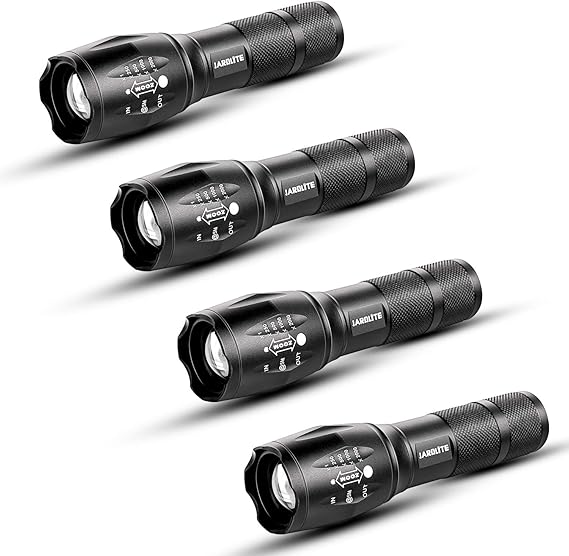
Geocaches hide in dark spaces—under bridges, inside drainage pipes, behind dumpsters, in hollow trees. Phone flashlights don't provide enough focused light to spot camouflaged containers or read logbooks in shadows. A tactical light reaches into crevices and illuminates cache details without burning through phone battery.
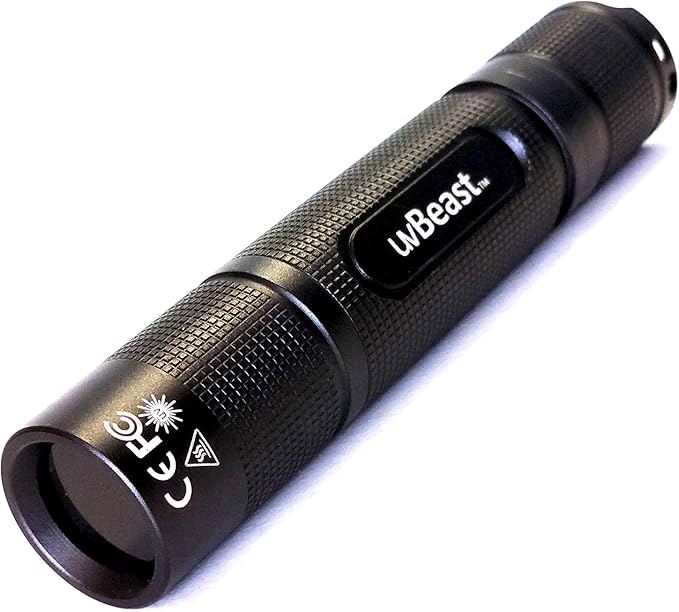
Advanced geocaches and AR game mysteries use UV-reactive inks for hidden clues—coordinates written in invisible ink on signs, fluorescent paint marking the exact cache location, or puzzle solutions only visible under blacklight. The 365nm wavelength shows fainter marks than 395nm. This separates casual players from serious hunters.
As an Amazon Associate I earn from qualifying purchases. Prices may change.
Step-by-Step Guide
1
Install your urban gaming suite
Download an AR game (Pokémon GO or Ingress), the official Geocaching app (or c:geo for Android), and complete their tutorials to understand basic mechanics. Create accounts for each—you'll need separate logins to access different layers of the game board.
💡 Pro Tips:
• Choose one AR game to focus on; running multiple simultaneously kills your battery in under two hours
2
Map your game-dense hunting grounds
Open geocache maps and AR intel maps on desktop to find areas within 2-3 miles that have 5+ geocaches clustered together plus multiple AR portals or gyms. Parks, downtown districts, and university campuses typically layer the most game content. Mark these zones as your target circuit.
💡 Pro Tips:
• Cross-reference recent cache logs—multiple 'DNF' (did not find) entries from the past week mean skip that cache
3
Pack your loadout the night before
Charge your phone and power bank completely. Download offline maps of your target area (cell service dies in parking garages and basements). Pack small trade items for geocaches—foreign coins, tiny toys, buttons—and a pen for signing physical logbooks.
💡 Pro Tips:
• Test your power bank before leaving; a failed battery mid-hunt means you lose all unsaved progress
4
Hunt Traditional caches rated 2-3 difficulty
Start with straightforward physical hides to learn how hiders think. When you reach the coordinates, pause for 30 seconds before searching—caches hide in spots that look natural but aren't quite right: fake bolts, hollowed branches, magnetic key holders under railings. While walking between caches, spin AR portals and catch creatures to build resources.
💡 Pro Tips:
• Sign physical logbooks with your username and date immediately after finding; unsecured caches blow away or get muggled (stolen by non-players)
• Log finds in the app with specific comments about hide quality—this data builds your reputation and helps other players
5
Attempt one puzzle or multi-stage cache
Choose a Mystery cache (solve a riddle or cipher beforehand to reveal coordinates) or a Multi-cache (find stage 1, it gives coordinates for stage 2, etc.). These teach pattern recognition, coordinate math, and lateral thinking. Document exactly what stumped you so you can learn the hider's logic.
💡 Pro Tips:
• Favorite any cache that beats you—return with more experience and the solution will often become obvious
6
Join local game community channels
Find Discord or Telegram groups for your city's players. They share real-time intel on new cache placements, AR raid coordination, and events. Ask about 'cache stacking' routes and optimal times to capture territory without heavy competition. Review your session stats in the apps to identify GPS dead zones (urban canyons, dense tree cover) to avoid next time.
AR and GPS apps drain phone batteries in 90-120 minutes of active use. A 20,000mAh bank provides 3-4 full recharges, supporting extended 4-hour sessions without returning home. Dual outputs let you charge phone and backup device simultaneously during urban gaming events.
Geocaches hide in dark spaces—under bridges, inside drainage pipes, behind dumpsters, in hollow trees. Phone flashlights don't provide enough focused light to spot camouflaged containers or read logbooks in shadows. A tactical light reaches into crevices and illuminates cache details without burning through phone battery.
Compact LED flashlight with adjustable focus beam and pocket clip, minimum 200 lumens output
Advanced geocaches and AR game mysteries use UV-reactive inks for hidden clues—coordinates written in invisible ink on signs, fluorescent paint marking the exact cache location, or puzzle solutions only visible under blacklight. The 365nm wavelength shows fainter marks than 395nm. This separates casual players from serious hunters.
Micro and small geocaches often hide in narrow gaps—storm drains, wall cracks, under guardrails—where fingers can't reach. Magnetic pickup tools extract metal cache containers without damage and save you from crawling into sketchy spaces. Also retrieves dropped items during cache retrieval. Every serious geocacher carries one.
Extendable magnetic wand reaching 15-30 inches, used to retrieve metal objects from tight spaces
Free accounts limit you to Traditional caches only. Premium unlocks Mystery, Multi, Challenge, and high-difficulty caches where the real game depth lives. Offline map downloads prevent data overages and work when cell service drops in cache locations. Pocket queries let you bulk-download all caches in a region for efficient route planning.
Premium subscription to official Geocaching app or equivalent, unlocking advanced cache types and offline maps
Architecture Scavenger Hunt: Decode Your City's Hidden Design Language
That building you pass every day? It's been screaming details at you that you've never noticed.
Hunt for architectural details hiding in plain sight—corbels, keystones, terra cotta faces, and century-old brickwork patterns that tell your city's real story.
Stop winging it in abandoned spaces—learn the difference between exploring safely and just getting lucky.
Learn essential urban exploration safety protocols, risk assessment, and technical skills from experienced urbex practitioners. Hands-on training for abandoned building navigation.
The best food in your city isn't on Yelp's front page—it's where rent is cheap and menus aren't in English.
Navigate your city's authentic food scene through ethnic markets, street vendors, craft breweries, and neighborhood joints that locals actually frequent.