IRL Sidequests
Urban Explorer's Safety Academy - Urban Exploration quest for Beginner level adventurers

Urban Explorer's Safety Academy

Turn urban curiosity into calculated confidence with safety skills that protect both you and the places you explore.

About This Quest

Master the fundamental safety protocols, legal navigation, and risk assessment techniques for responsible urban exploration through hands-on training scenarios.

Urban exploration demands more than curiosity—it requires a comprehensive understanding of safety protocols, legal boundaries, and emergency preparedness. The Urban Explorer's Safety Academy transforms novice adventurers into responsible explorers who prioritize personal safety, respect property laws, and understand risk assessment in dynamic urban environments. This structured training program combines theoretical knowledge with practical exercises that simulate real-world exploration scenarios. Through this academy, you'll develop a safety-first mindset that distinguishes responsible urban exploration from reckless trespassing. You'll learn to identify structural hazards, navigate legal gray areas, assess environmental risks, and prepare comprehensive emergency response plans. The curriculum covers everything from understanding building codes and stability indicators to mastering communication protocols and documenting locations responsibly. This quest serves as your foundation for all future urban exploration activities, establishing habits and knowledge that will keep you safe while maximizing your discovery potential. Whether you're interested in architectural photography, historical research, or simply seeing your city from new perspectives, these safety fundamentals are non-negotiable prerequisites for ethical and sustainable urban exploration practices.

Duration
3-4 hours
Estimated Cost
$60+
Location
Both
Season
Year-round
Family Friendly
All ages welcome

Step-by-Step Guide

1

Study local trespassing laws and urban exploration legal frameworks in your jurisdiction. Research the distinction between abandoned properties, private property, and public access areas. Document emergency contact numbers for local authorities and create a legal resource reference sheet.

2

Complete a structural safety assessment training module. Learn to identify warning signs of instability: cracked load-bearing walls, sagging floors, compromised staircases, asbestos indicators, and hazardous material markings. Practice visual inspection techniques using online architectural failure case studies.

3

Develop your personal safety protocol checklist covering: exploration partner communication systems, check-in schedules, location sharing methods, appropriate clothing and protective gear, first aid readiness, and emergency extraction planning. Test your protocol with a mock exploration scenario in a legal public space.

4

Research and map your local area's urban exploration code of ethics. Identify organizations or communities practicing responsible exploration. Understand the 'take nothing but pictures, leave nothing but footprints' philosophy and its practical applications. Connect with experienced explorers who can mentor safe practices.

5

Create a hazard recognition field guide customized to your city's common building types. Include identification tips for: weak flooring, toxic materials, structural fire damage, unstable debris, wildlife hazards, and environmental contaminants. Practice hazard spotting during a daytime walk through your neighborhood.

6

Establish your emergency response plan including: immediate injury protocols, contact escalation procedures, location documentation methods for emergency services, and scenario-specific responses (trapped, injured, encountered security, environmental exposure). Role-play three different emergency scenarios.

7

Complete a practice session in a legal, accessible location that simulates exploration conditions: a public parking garage, abandoned public park structure, or urban hiking trail with varied terrain. Apply your safety protocols in real-time, document hazards, practice communication check-ins, and conduct a post-exploration safety debrief.

8

Compile your Urban Explorer's Safety Portfolio: legal research documentation, emergency contact cards, hazard identification guide, personal protocol checklist, and lessons learned journal. Review and update this portfolio quarterly as you gain experience and your local environment changes.

Gear Up for Your Quest

Get everything you need to make this quest amazing.

High-Visibility Reflective Safety Vest with Pockets

Essential
$15-25

Professional-grade reflective vest with multiple storage pockets and adjustable sizing

Get This Item

Building Safety Assessment Field Guide

Essential
$25-35

Professional handbook covering structural integrity indicators, material identification, and hazard assessment protocols

Get This Item

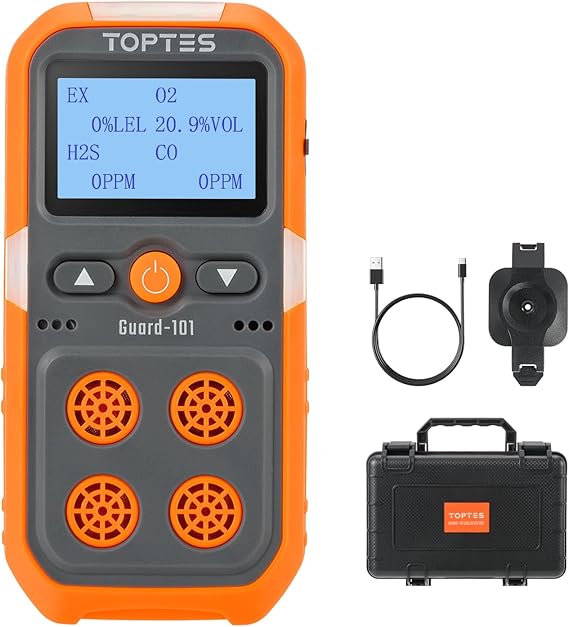
Multi-Gas Detector Personal Monitor

Recommended
$80-150

Portable detector measuring oxygen levels, carbon monoxide, hydrogen sulfide, and explosive gases

Get This Item

Tactical Communication Headset with PTT

Recommended
$40-70

Two-way radio headset with push-to-talk functionality and noise cancellation

Get This Item

Offline Mapping GPS Device with SOS Function

Optional
$150-300

Dedicated GPS navigator with pre-loaded maps, location marking, and satellite emergency messaging

Get This Item

💙 Shopping through these links helps support IRL Sidequests at no extra cost to you. Thanks for making adventures possible!