Know the difference between adventure and trespassing—and how to stay alive either way.
Master safety protocols, legal boundaries, and risk assessment for responsible urban exploration. Learn structural evaluation, emergency preparedness, and liability management.
Urban exploration isn't just about finding cool abandoned buildings—it's about understanding structural integrity, legal boundaries, and personal safety systems that keep you out of hospitals and courtrooms. This isn't fearmonger bullshit; it's the actual framework used by professional photographers, documentarians, and responsible explorers who've been doing this for decades without getting arrested or injured. You'll learn to assess structural risks before entering any site: recognizing load-bearing damage, identifying asbestos warning signs, evaluating floor stability, and reading the environmental cues that signal danger. The legal component covers trespass laws by jurisdiction, liability waivers, permission acquisition strategies, and what actually happens if you get caught. Most importantly, you'll develop a personal safety protocol—buddy systems, communication plans, emergency extraction procedures, and the gear that actually matters when things go wrong. This hub synthesizes information from structural engineers, legal advisors specializing in property law, experienced urban explorers with 10+ years in the field, and emergency response professionals. It's designed to evolve with changing regulations and building codes, updated quarterly with jurisdiction-specific legal changes and new safety research. Think of this as your foundation course before stepping into any abandoned structure.
Top gear to make this quest great.

Detects invisible atmospheric hazards in confined spaces, basements, and industrial sites where toxic gases accumulate—the single most important tool for preventing asphyxiation and explosive atmosphere exposure that kills more explorers than structural collapse

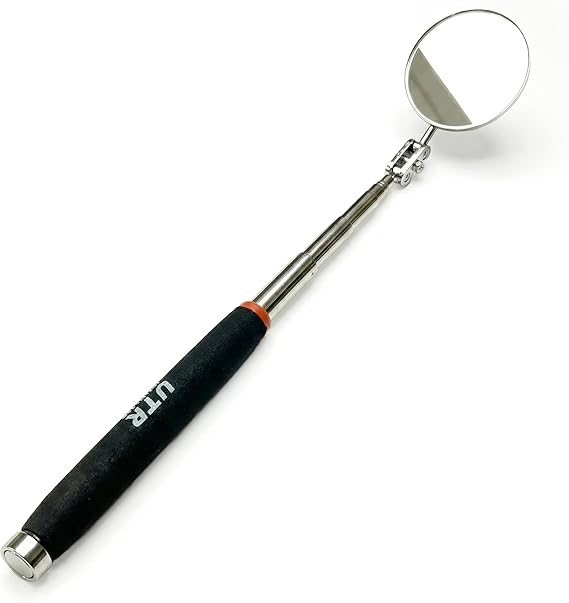
Allows visual inspection of floor joists, ceiling conditions, and wall cavities without physical contact—lets you assess structural integrity from safe distances and spot hazards like wasp nests, sharp protrusions, or compromised supports before committing body weight

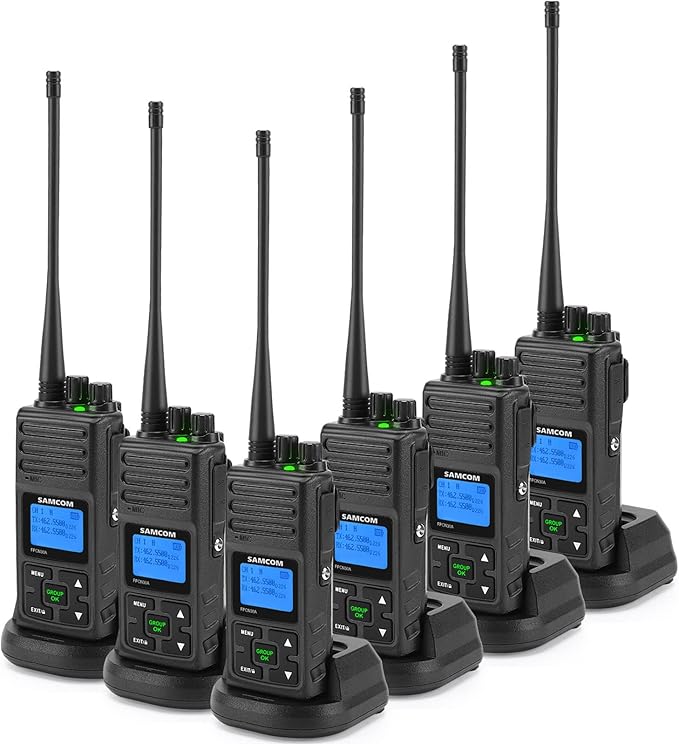
Maintains buddy system communication when separated by walls or floors where cell signals fail—VOX function allows distress calls even if injured and unable to press buttons, critical for multi-level exploration and basement work
As an Amazon Associate I earn from qualifying purchases. Prices may change.
Complete the structural safety module: Learn to identify compromised floors, unstable walls, asbestos indicators, lead paint hazards, and environmental contamination signs. Study collapse patterns and load distribution basics.
Study jurisdiction-specific trespass laws: Research local statutes regarding abandoned property, criminal trespass degrees, civil liability, and actual enforcement patterns in your area. Document which properties have explicit no-trespass signage versus implied restrictions.
Develop your personal safety protocol: Create a standardized checklist covering equipment inspection, buddy communication systems, entry/exit documentation, emergency contact procedures, and time-limit parameters for each exploration.
Practice risk assessment on accessible sites: Visit legally-accessible old buildings (historic sites, permitted tours) to practice visual inspection techniques without legal risk. Document structural observations and compare against expert assessments.
Build your emergency response plan: Map nearest hospitals to common exploration zones, save emergency contacts with location-sharing enabled, learn basic trauma first aid specific to fall injuries and puncture wounds, practice equipment failure scenarios.
Understand liability and insurance implications: Review your health insurance coverage for exploration-related injuries, understand homeowner's/renter's liability exclusions, research specialized adventure sports policies if pursuing this seriously.
Create site research protocols: Learn to use historical records, building permits, environmental reports, and property ownership databases to assess sites before visiting. Identify which municipal departments maintain relevant safety records.
Establish legal permission workflows: Draft permission request templates, identify property owner research methods, understand when verbal permission holds legal weight versus written agreements, develop relationship-building strategies with property managers.
Get everything you need to make this quest amazing.

Detects invisible atmospheric hazards in confined spaces, basements, and industrial sites where toxic gases accumulate—the single most important tool for preventing asphyxiation and explosive atmosphere exposure that kills more explorers than structural collapse
Portable gas monitor detecting carbon monoxide, hydrogen sulfide, oxygen levels, and explosive gas concentrations
Get on Amazon · $99.99
Allows visual inspection of floor joists, ceiling conditions, and wall cavities without physical contact—lets you assess structural integrity from safe distances and spot hazards like wasp nests, sharp protrusions, or compromised supports before committing body weight
Telescoping inspection mirror with LED illumination for checking hidden structural areas
Get on Amazon · $12.99
Maintains buddy system communication when separated by walls or floors where cell signals fail—VOX function allows distress calls even if injured and unable to press buttons, critical for multi-level exploration and basement work
Hands-free communication radios with 3+ mile range and voice-activated transmission
Get on Amazon · $268.40Provides current legal information including recent arrests, prosecution patterns, and property owner contact methods—saves hours of municipal research and prevents legal mistakes from outdated information, particularly valuable for explorers covering multiple cities
Jurisdiction-specific database tracking trespass laws, enforcement patterns, and property status

Confirms asbestos presence in suspicious materials before exposure—especially critical in pre-1980s industrial sites where visual identification isn't reliable, allows informed decisions about respiratory protection level and site abandonment
Laboratory analysis kit for suspected asbestos-containing materials with prepaid shipping
Get on Amazon · $35.00As an Amazon Associate, IRL Sidequests earns from qualifying purchases at no extra cost to you.
Prices and availability are subject to change. The price shown at checkout on Amazon at the time of purchase will apply.
Hand-selected quests our team thinks you'll love

Every sidewalk crack has a story—you just need to know where to look.

That building you pass every day? It's been screaming details at you that you've never noticed.

Your city has layers most people never see—here's how to peel them back.