Explore the hidden city legally and safely—because the best urbex stories don't involve lawyers or emergency rooms.
Master the essential safety protocols and legal considerations for responsible urban exploration, from abandoned buildings to rooftop photography.
Urban exploration (urbex) offers thrilling access to forgotten architecture, rooftop vistas, and industrial relics—but the line between adventure and liability is razor-thin. This comprehensive quest teaches you the critical safety protocols, legal frameworks, and ethical principles that separate responsible urban explorers from reckless trespassers. You'll learn to assess structural hazards, navigate property law variations across jurisdictions, and develop a personal risk management strategy that keeps you safe and legally protected. From understanding adverse possession laws to recognizing asbestos hazards, this quest provides the foundational knowledge every urban explorer needs before stepping into abandoned spaces. You'll explore real-world case studies of urbex incidents, learn emergency response protocols specific to isolated urban environments, and discover how to research property ownership and access permissions. Whether you're interested in architectural photography, industrial archaeology, or simply discovering hidden urban spaces, this framework ensures your explorations remain both thrilling and responsible. This quest goes beyond basic safety tips to address the complex legal landscape of 2026, including drone regulations for aerial documentation, digital trespass laws, and evolving urban exploration ordinances in major cities. You'll develop skills in liability assessment, emergency communication systems, and ethical documentation practices that respect both property rights and historical preservation. By completing this quest, you'll join a community of informed explorers who prioritize safety, legality, and the preservation of urban heritage.
Top gear to make this quest great.

Cell service is unreliable in concrete structures and basements. Two-way radios ensure constant communication with your exploration partner and can access emergency weather alerts. Essential for coordinating exits during structural emergencies or security encounters.

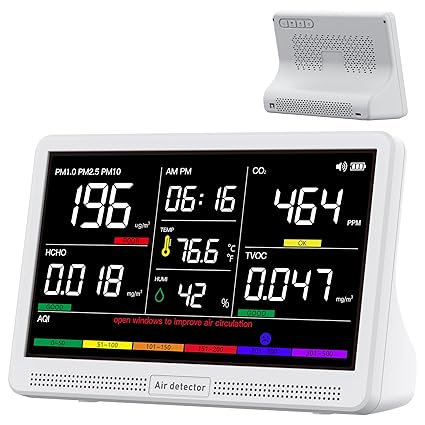
Abandoned buildings often contain hazardous gases from decomposition, chemical storage, or HVAC system failures. An air quality monitor provides early warning of carbon monoxide, volatile organic compounds, and oxygen-depleted environments that smartphones cannot detect.

Provides reliable emergency SOS capability in steel-reinforced or underground structures where cell phones fail. Unlike smartphones, these devices work anywhere with sky view and automatically transmit GPS coordinates to search and rescue services.
As an Amazon Associate I earn from qualifying purchases. Prices may change.
Research local trespassing and urban exploration laws: Spend 30 minutes reviewing your state/provincial statutes on trespassing, breaking and entering, and criminal mischief. Note that 'abandoned' doesn't mean 'legal to enter'—property ownership persists regardless of use. Document specific legal codes (e.g., California Penal Code §602) and potential penalties in your area.
Study property research techniques: Learn to use county assessor databases, property ownership records, and commercial real estate listings to identify property owners. Practice looking up 3-5 abandoned locations in your city to determine ownership status. Create a template for permission requests to property owners that emphasizes your safety protocols and insurance coverage (if applicable).
Complete a structural hazard assessment training module: Review resources on identifying compromised floors, unstable ceilings, asbestos-containing materials (common in pre-1980 buildings), lead paint, and mold hazards. Learn to recognize warning signs like sagging beams, water damage patterns, and chemical odors. Practice hazard spotting by analyzing 10 photos of abandoned spaces online.
Develop your personal safety kit and protocols: Assemble essential safety equipment beyond basic exploration gear. Create a written safety protocol including: buddy system requirements, check-in schedules with emergency contacts, location sharing methods, entry/exit documentation, and emergency extraction plans. Test your emergency communication system in a building with poor cellular reception.
Map your exploration zones and access points: Using satellite imagery and on-foot reconnaissance (from public spaces only), identify 3 potential exploration sites. Document legal access routes, property boundaries, security measures, and potential hazards visible from public vantage points. Note the location of nearest hospitals and emergency services.
Study ethical urbex principles and community standards: Review the urban explorer's code ('Take only pictures, leave only footprints'), research historical preservation considerations, and understand the impact of location disclosure on social media. Examine case studies where irresponsible exploration led to increased security, demolition, or legal consequences for the community.
Create a legal risk assessment matrix: Develop a scoring system (1-10) for evaluating locations based on: property ownership clarity, security presence, structural stability, historical significance, and potential legal consequences. Practice assessing 5 locations and determining which fall within your acceptable risk threshold.
Complete a mock safety scenario: Role-play an emergency situation (floor collapse, security encounter, or injury) with a partner. Practice your communication protocol, decision-making under pressure, and extraction procedures. Review and refine your safety protocols based on this exercise.
Document your legal research and safety framework: Compile all your research into a reference document including: local laws, property research methods, hazard identification guides, safety protocols, emergency contacts, and ethical guidelines. This becomes your urbex operations manual for future explorations.
Connect with the responsible urbex community: Join online forums or local groups that emphasize legal and safe exploration. Share your safety framework for peer review and learn from experienced explorers about location-specific challenges in your area. Avoid groups that glorify illegal entry or dangerous behavior.
Get everything you need to make this quest amazing.

Cell service is unreliable in concrete structures and basements. Two-way radios ensure constant communication with your exploration partner and can access emergency weather alerts. Essential for coordinating exits during structural emergencies or security encounters.
FRS/GMRS radios with NOAA weather channels and emergency alert capabilities, minimum 2-mile range in urban environments
Get on Amazon · $268.40
Abandoned buildings often contain hazardous gases from decomposition, chemical storage, or HVAC system failures. An air quality monitor provides early warning of carbon monoxide, volatile organic compounds, and oxygen-depleted environments that smartphones cannot detect.
Multi-gas detector measuring CO, CO2, VOCs, and particulate matter with real-time display and alarm functions
Get on Amazon · $94.99Enables thorough due diligence on property ownership, liens, and legal status before attempting contact with owners for permission. Demonstrates professionalism when requesting legal access and helps identify properties in foreclosure or municipal ownership that may be more accessible.
Access to property records databases like PropertyShark, CoStar, or county-specific GIS systems for ownership verification

Provides reliable emergency SOS capability in steel-reinforced or underground structures where cell phones fail. Unlike smartphones, these devices work anywhere with sky view and automatically transmit GPS coordinates to search and rescue services.
Dedicated emergency satellite communication device (Garmin inReach, SPOT, or ACR PLB) for areas without cellular coverage
Get on Amazon · $469.95Provides instant access to relevant legal codes and precedents while in the field, helping you make informed decisions about access and understand potential consequences. Some versions include templates for property access requests and incident documentation.
Mobile application with jurisdiction-specific trespassing laws, case law database, and emergency legal contact information
As an Amazon Associate, IRL Sidequests earns from qualifying purchases at no extra cost to you.
Prices and availability are subject to change. The price shown at checkout on Amazon at the time of purchase will apply.
Hand-selected quests our team thinks you'll love

Every sidewalk crack has a story—you just need to know where to look.

That building you pass every day? It's been screaming details at you that you've never noticed.

Your city has layers most people never see—here's how to peel them back.