Design a personal completion tracking system that turns scattered activities into documented progress—no app required.
The coffee stains on my first quest journal tell better stories than any app notification. I started tracking completed activities after realizing I'd repeated the same "new" hike three times in six months. What began as a simple checklist evolved into a system with stamps, stickers, location pins, and a satisfaction level I haven't felt since finishing video game achievements as a kid.
The dopamine hit from checking off a quest is real, but only if your system creates visible progress. A notes app doesn't cut it—you need friction, physicality, or visual accumulation. The best systems combine documentation (proof you did it), reflection (what you noticed), and reward (something tangible). I've watched people use everything from modified bullet journals to custom-built Notion databases with map integrations, and most of them lean on a few key pieces of gear for gamifying your life to make the progress feel real.
This quest walks you through building your personal completion architecture. You'll test three different tracking methods, identify what motivates your specific brain, and create a sustainable system you'll actually maintain past February. The goal isn't Instagram perfection—it's honest documentation that makes you want to do the next thing.
Why This Quest Matters
A year from now, you'll have proof you showed up. The coffee stains, map pins, or database entries will tell you exactly what you did, who you did it with, and why it mattered. The dopamine hit is real, but only if your system creates visible accumulation—something you can see growing without opening an app.
What You'll Experience
Which tracking format your brain actually maintains past the first month
The minimum documentation needed to make memories retrievable
How to build visible progress that triggers motivation
What constitutes 'done' in a way you'll believe six months later
The difference between theoretical perfection and systems you'll actually use
What You'll Need
Top gear to make this quest great.
Pull it off
Archival Quality Journal with Grid Pages
Regular notebooks fall apart after three months of field use. Archival paper prevents ink bleed from outdoor conditions and the numbered pages create natural progress tracking. The grid structure helps with quick sketches and consistent layout.
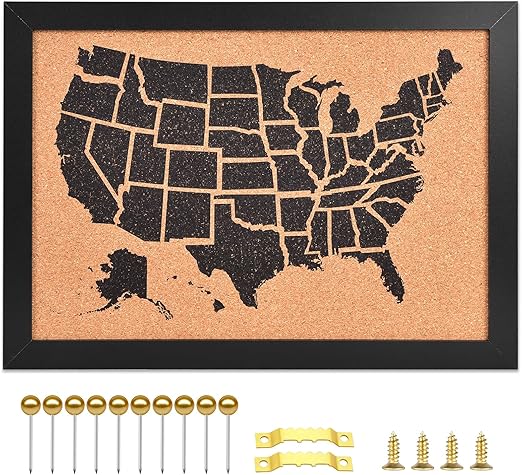
Digital maps don't provide ambient progress awareness. A physical map on your wall shows geographic coverage patterns at a glance and creates social proof when others see your documented exploration. Pins create satisfying tactile completion moments.
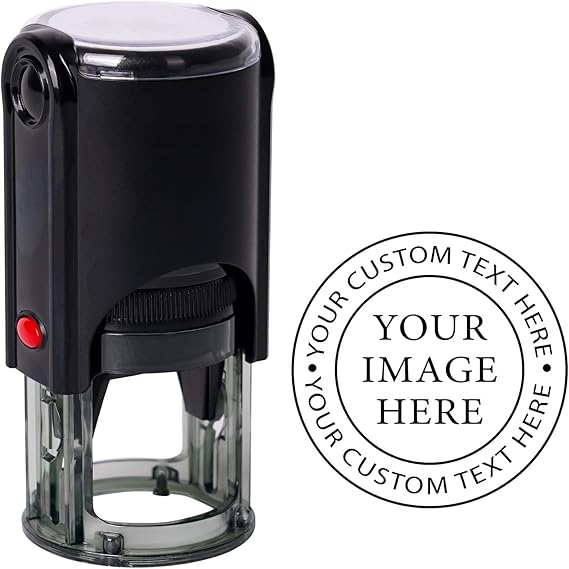
Physical stamps trigger stronger completion dopamine than checkmarks. The 3-second ritual of stamping creates muscle memory satisfaction. Custom design makes your system feel official and increases accountability through visual identity.
As an Amazon Associate I earn from qualifying purchases. Prices may change.
Step-by-Step Guide
1
Test three tracking interfaces
Choose your foundation: physical journal, digital database, or hybrid system. Write three fake quest entries in each format to feel the friction. Notice which one makes you want to write the fourth entry.
💡 Pro Tips:
• If an entry takes more than 10 minutes, the system is too complex
• Paper systems feel more rewarding but require photo backups; digital systems enable maps and search
2
Design your completion proof method
Decide what evidence proves 'done': photos, ticket stubs, GPS coordinates, written descriptions, sketches, or timestamps. Pick exactly 2-3 types maximum. Test five different completion marks—stamps, colored highlighters, progress bars, map pins, or achievement badges—to find your psychological hook.
3
Build your reflection template
Write 3-5 questions you'll answer after every quest: difficulty rating, most memorable moment, would-repeat rating, who joined you, weather conditions. These turn memory into data you can actually use later.
4
Create visible progress tracking
Set up something you see without opening anything: wall map with pins, whiteboard grid, jar of tokens, or desktop widget. The visibility is the point—your brain needs to see accumulation without effort.
5
Document three completed quests fully
Use your entire system on three quests you've already done or will do this week. Time each entry. If any takes over 10 minutes, simplify immediately. Set up your backup method now: monthly photo archive for physical systems, automatic export for digital ones.
💡 Pro Tips:
• Design milestone rewards at 10, 25, 50, and 100 completions—tangible things like special dinners, new gear, or custom trophies
6
Audit and revise after two weeks
Track which parts feel satisfying, which get skipped, which take too long. Revise based on what you actually did, not what you planned to do. Build a separate quest idea queue using index cards, a notes file, or journal section—future ideas poison current tracking.
Regular notebooks fall apart after three months of field use. Archival paper prevents ink bleed from outdoor conditions and the numbered pages create natural progress tracking. The grid structure helps with quick sketches and consistent layout.
Digital maps don't provide ambient progress awareness. A physical map on your wall shows geographic coverage patterns at a glance and creates social proof when others see your documented exploration. Pins create satisfying tactile completion moments.
Regional or city map mounted on cork backing with color-coded push pins for different quest categories
Physical stamps trigger stronger completion dopamine than checkmarks. The 3-second ritual of stamping creates muscle memory satisfaction. Custom design makes your system feel official and increases accountability through visual identity.
Personalized rubber stamp with your quest logo or completion symbol, self-inking mechanism
Captures in-the-moment observations before memory filters them. Weatherproof paper works in rain, sweat, and humidity without disintegrating. Pocket size means it's actually there when you need quick notes that transfer to your main system later.
Pocket-sized notebooks with water-resistant paper and durable cover for outdoor documentation
Random Side Quest Generator: Complete Guide to Spontaneous Adventures
Let the dice argue. You just have to go.
Grab a friend, a handful of dice and a stack of pocket cards, then let the roll decide what you do next. You write the options, the dice pick one, and you go. Each outing takes 15 to 30 minutes, and arguing with the dice is not allowed.
Turns out you're excellent company. Let's prove it.
Ever talked yourself out of a movie, a meal or a trip because nobody was free? Over three or four weeks, you'll work through six easy solo missions, from a twenty-minute bench sit to a day trip in a town you've never seen, and find out how good your own company is.
10 hours total (split into 20-minute to 2-hour sessions over 3-4 weeks)SoloGear from $6
Your life stats are stagnant—time to grind IRL and unlock new abilities.
Transform gaming mechanics into real-world quests with achievement tracking, skill trees, and XP systems that make personal development feel like your favorite RPG.