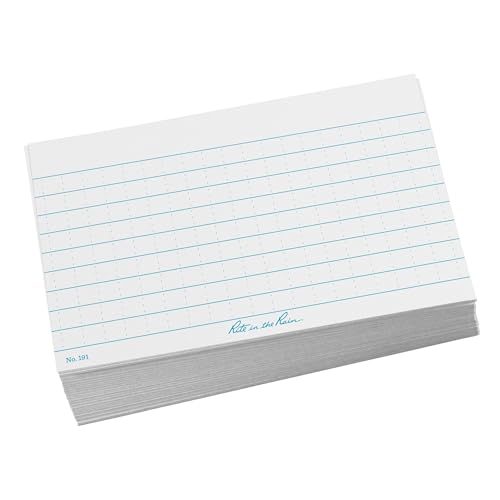
Build your four category cards, then roll and complete one quest together within 30 minutes. Text your result to a friend before you leave, and call out your chip rating out loud when you get back.
Bonus challenge: Let the person who rolled lowest pick the snack on the way home.
Accept this questSaves it to your list, no account needed.
Time
15-30 minutes per quest
Cost
Free with your own gear
Starter gear from $10
A dice set runs about $10, weatherproof cards about $17 and a bag of colored chips about $8. After that, most rolled quests cost nothing beyond a snack.
solo, friends, date night, family · Teens 13+ and adults; younger kids with a grown-up along
Level
Beginner
Where
Both
Season
Year-round
About This Quest
Grab a friend, a handful of dice and a stack of pocket cards, then let the roll decide what you do next. You write the options, the dice pick one, and you go. Each outing takes 15 to 30 minutes, and arguing with the dice is not allowed.
Deciding what to do with a free hour is somehow harder than doing it. So tonight you hand that job to a twelve-sided die.
You and your crew will fill a few pocket cards with real places and real activities, split them into four category tables, then roll and go. Nothing on the cards is hard, because you only write things you'd genuinely do. The fun is in losing the argument to a die and heading out anyway. Want more ideas for the cards? Browse all adventure quests and steal the good ones.
Why This Quest Matters
Half the fun of a plan is not knowing which one you're getting. When the dice choose, nobody has to be the person who decides, nobody sulks about the compromise, and everybody gets a story out of it. You find yourself in parks, alleys and bakeries you'd never have picked on purpose. The dice are a better planner than you are, and they're faster too.
What You'll Experience
Write your own luck: Fill pocket cards with places you keep meaning to go and never do.
Hand over the wheel: Roll once and let a twelve-sided die plan your next half hour.
Honor the roll: Take the odd result and find out what's actually there.
Rate the run: Drop a colored chip on every outing and watch your favorites show up.
What You'll Need
Top gear to make this quest great.
Pull it off
Multi-Sided Dice Set (d6, d12, d20)
The die makes the call so nobody in your group has to.
As an Amazon Associate I earn from qualifying purchases. Prices may change.
Before You Begin
Set aside about 80 minutes to build the system once, then you'll roll for months. You'll want a polyhedral dice set with a d6, d12 and d20 (look for underscored 6 and 9 so you never misread a roll), weatherproof 3x5 index cards on a binder ring, a pencil or weatherproof pen, and a handful of poker chips in four colors. Gel ink smears the first time it rains, so skip it. If a rolled quest means indoor climbing, you need the gym's orientation or belay check before you touch a wall, and any private spot needs the owner's permission.
Safety Tips
A good quest stays a good story. These are general notes; your gear's manual, the venue's rules and local law come first.
Only write activities you'd actually do. Anything needing trespassing, roof access, fence scaling or a closed site gets crossed off the card entirely, not just skipped.
If a quest involves a bike or scooter, wear a helmet, use a white front light and red rear light after dusk, obey traffic signals, and stick to quiet streets and marked lanes. Never route onto high-speed roads.
Indoor climbing walls require the gym's orientation or a staff belay check first, and you use the facility's ropes and staff. Any height activity needs permission, grippy shoes and no wind or wet.
Keep a separate after-dark table with well-lit, familiar routes only. Carry a charged phone and a small light, and text someone the rolled result before you head out.
If your destination is closed, the outing ends there. Don't wander looking for a backup, and walk away from any roll that feels wrong when you arrive.
Step-by-Step Guide
1
Pick Your Dice
10 min
Start by choosing how much chance you want. The six-sided die handles quick either-or calls, like walk or ride. The twelve-sided die is your workhorse for a table of twelve options. Save the twenty-sided die for when your tables get big and detailed. Roll each one a few times so everyone sees how it feels to let go of the decision.
💡 Pro Tips:
• Dice with underscored 6 and 9 save a surprising number of arguments.
2
Fill the Place Cards
25 min
Now the good part. Write 6 to 12 specific places on your weatherproof cards, with addresses, and be stubborn about specifics. Not "a park" but the one with the duck pond on Fourth. Go around the group and take turns adding one each. Use pencil or a weatherproof pen so a drizzle doesn't erase your whole system.
💡 Pro Tips:
• The best entries are places someone in the group has mentioned twice and never visited.
3
Build Four Tables
30 min
Make four category cards: Weekend Morning, Weeknight, Rainy Day and Social. Fill each with options that actually fit that slot, then add modifier choices for budget, distance, time and who comes along. Keep a separate after-dark list with well-lit, familiar routes only. Cross off anything that needs climbing a fence or sneaking into a closed site.
💡 Pro Tips:
• Build a short backup table for the usual letdowns: closed, raining harder than expected, line out the door.
4
Agree to Obey
10 min
Here's the rule that makes the whole thing work. You accept about 8 out of every 10 rolls, no negotiating. A veto is only for safety or a closed destination, and you each get one logged reroll per week. Shake on it. Half the joy is watching someone's face when the die sends them somewhere they'd never have chosen.
💡 Pro Tips:
• Saying the roll out loud before anyone can object keeps the complaining short.
5
Roll and Go
25 min
Grab a chip without looking to pick your category, then roll the die for your quest. Text the result to someone before you leave, pocket a light if it's getting dark, and head out. You've got 15 to 30 minutes. Go see the thing, taste the thing, walk the odd street. Come back with one detail nobody expected.
💡 Pro Tips:
• If the place is shut, the outing is over. Go home happy and let the next roll make up for it.
6
Chip It and Brag
10 min
Back at the table, everyone rates the outing 1 to 5 and drops a colored chip in the jar. Call your score out loud and defend it. Once you've got 20 or so adventures in the jar, count the colors and you'll see which categories your crew actually loves. Swap in fresh entries roughly once a month.
💡 Pro Tips:
• The lowest-rated roll usually makes the best story, so retell it before you refine the card.
You just built a machine that plans your free time better than you do. Roll it again this week, and bring the friend who always says "whatever you want."
Side Quest Generator: Turn Your Free Time Into Adventures
Let the dice decide. You just have to go.
Grab a friend, a handful of dice and a stack of index cards, and build a little machine that decides your free afternoons for you. Then roll it. Whatever comes up, you go do it, with one silly rule attached and ten minutes to figure out the plan.
2-3 hours (initial setup), 15 minutes per useFamilyGear from $41
Side Quest Generator With Friends: Complete Social Gaming Hub
Let the cards pick your Saturday night.
Grab three friends, a stack of blank cards and a marker, and write a deck of dares for your own town. Then shuffle, draw one blind, and go do whatever it says before the timer runs out.
Side Quest Generator: Create Your Own Adventure System
Turn your daily grind into a game you actually want to play—with cards you built yourself.
Design a physical card-based quest system that turns everyday activities into achievable challenges. Create categories, assign XP values, and build your own IRL gaming framework.