Gaming-Inspired Real-Life Challenges - Personal Growth quest for Beginner level adventurers

Gaming-Inspired Real-Life Challenges

Your life stats are stagnant—time to grind IRL and unlock new abilities.

Share:
4 supplies needed· Estimated total: Free
View supplies

About This Quest

Transform gaming mechanics into real-world quests with achievement tracking, skill trees, and XP systems that make personal development feel like your favorite RPG.

The dopamine hit from leveling up in games isn't just digital magic—it's psychology you can hack for real-world progress. This quest applies actual game design principles (progression systems, achievement unlocking, skill trees) to tangible goals like fitness, learning, and social connection. You'll create a personal RPG character sheet, design your own quest log, and watch your stats improve through consistent daily actions. I've run this for three months and the shift is real. When 'Talk to 5 strangers' becomes a +50 Charisma quest with a visible progress bar, suddenly the anxiety drops and the game begins. The fitness skill tree I built had branches for strength, cardio, and flexibility—each workout felt like grinding for the next unlock. The trick is treating yourself like a character you're invested in developing, not judging. This works because gamification taps into completion bias and visible progress—two things our brains crave but modern life rarely provides. You're not just 'trying to be healthier.' You're a Level 4 Warrior working toward the Iron Constitution perk, and today's 20 pushups are 100 XP toward that goal. The mechanics make the mundane feel meaningful.

Duration
30 days (15-30 min/day)
Estimated Cost
Free
Location
Both
Season
Year-round
Family Friendly
All ages welcome

What You'll Need

Top gear to make this quest great.

Gamification Habit Tracker (Habitica Premium or similar)

Provides built-in game mechanics (HP loss for missed habits, gold earning, equipment unlocks) that automate the reward structure and add social accountability through guilds. The visual character progression and party quests with friends significantly increase engagement over manual tracking.

$5/month
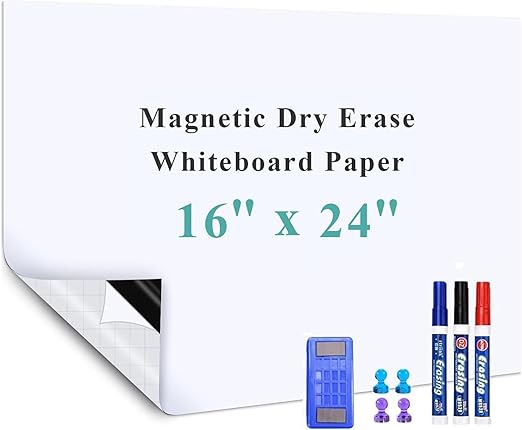
Dry-Erase Character Sheet Poster

Creates a prominent visual anchor in your space that makes progress tangible and public (to yourself). The physical act of updating stats and checking off quests triggers stronger completion satisfaction than digital-only tracking. Seeing your Level 8 character every morning reinforces identity shift.

$15
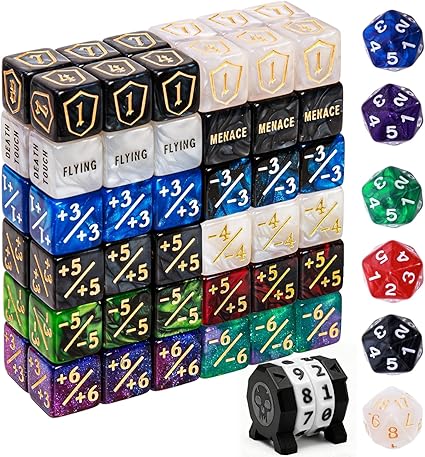
Polyhedral RPG Dice Set

Adds randomness and chance mechanics to your quest system—roll for daily quest selection, use d20 for challenge modifiers, or create critical success bonus XP on natural 20s. The tactile ritual of rolling dice makes quest selection feel like gameplay rather than chore selection, and introduces unpredictability that keeps the system fresh.

$12
View all 4 supplies

Shopping through these links supports IRL Sidequests at no extra cost to you.

Step-by-Step Guide

1

Design your character sheet: Pick 3-5 core stats to track (Strength, Charisma, Intelligence, Creativity, Endurance). Rate yourself 1-10 in each. This is your baseline—no ego, just honest assessment.

2

Build your skill tree: Under each stat, create 3-4 specific skills you want to develop. Example: Under Strength, you might have 'Upper Body,' 'Core,' 'Lower Body.' Draw this out on paper or use a mind-mapping app.

3

Create your quest log: Design 15-20 specific challenges across difficulty tiers. Easy quests (10 XP): 'Do 10 pushups,' 'Read 10 pages.' Medium quests (25 XP): 'Run 1 mile,' 'Cook a new recipe.' Hard quests (50 XP): 'Complete a full workout routine,' 'Have a 30-min conversation in a new language.' Boss quests (100 XP): 'Attend a social event alone,' 'Complete a creative project.'

4

Set your XP thresholds: Decide how much XP equals one level. I use 500 XP per level for the first 10 levels, then increase by 100 each tier. Level 1→2 needs 500 XP, Level 10→11 needs 1,400 XP. This creates a satisfying grind curve.

5

Track with physical or digital systems: Use a habit tracker app with progress bars, or go analog with a grid journal where you shade squares for completed quests. The key is making progress visible—your brain needs that feedback loop.

6

Establish achievement badges: Create 10-15 achievements that unlock through specific milestones. '7-Day Streak Survivor' (complete quests 7 days straight), 'Social Butterfly' (complete 10 Charisma quests), 'Knowledge Seeker' (finish 5 learning quests). Draw badges or use emoji—make them feel real.

7

Run daily quest selection: Each morning, pick 2-3 quests from your log based on difficulty and stat focus. Don't overload—sustainability beats intensity. I alternate stat focus: Monday is Strength day, Tuesday is Charisma, rotating through the week.

8

Log your XP after each quest: Immediately record completed quests and add XP to your total. This instant reward feedback is crucial. I keep a running tally in my phone notes and update my character sheet weekly.

9

Level up and allocate points: When you hit a level threshold, choose which stat gets +1 point. This forces you to think about your character build. Am I becoming a balanced generalist or specializing? The choice makes it feel personal.

10

Weekly boss battle: Every Sunday, attempt one boss-level quest. These should genuinely challenge you—something outside your comfort zone that pushes a stat you've been avoiding. The tension before these feels exactly like a raid countdown.

11

Monthly campaign review: At month's end, review your character sheet. Which stats improved? Which stagnated? Design new quests targeting weak areas. The meta-game of optimizing your quest design is weirdly addictive.

12

Unlock cosmetic rewards: Tie real-world treats to achievements. 'Level 5 unlocks: buy that book you wanted.' 'Social Butterfly achievement unlocks: nice dinner out.' These aren't participation trophies—they're loot drops you earned.

Gear Up for Your Quest

Get everything you need to make this quest amazing.

Gamification Habit Tracker (Habitica Premium or similar)

Recommended
$5/month

Provides built-in game mechanics (HP loss for missed habits, gold earning, equipment unlocks) that automate the reward structure and add social accountability through guilds. The visual character progression and party quests with friends significantly increase engagement over manual tracking.

RPG-style habit tracking app with customizable avatars, guilds, and automated quest systems

Get on Amazon · $5/month

Dry-Erase Character Sheet Poster

Recommended
$15

Creates a prominent visual anchor in your space that makes progress tangible and public (to yourself). The physical act of updating stats and checking off quests triggers stronger completion satisfaction than digital-only tracking. Seeing your Level 8 character every morning reinforces identity shift.

Large format printed character sheet with stat blocks, skill trees, and quest log sections designed for dry-erase markers

Get on Amazon · $15

Polyhedral RPG Dice Set

Optional
$12

Adds randomness and chance mechanics to your quest system—roll for daily quest selection, use d20 for challenge modifiers, or create critical success bonus XP on natural 20s. The tactile ritual of rolling dice makes quest selection feel like gameplay rather than chore selection, and introduces unpredictability that keeps the system fresh.

Standard 7-piece tabletop gaming dice set (d4, d6, d8, d10, d12, d20, percentile)

Get on Amazon · $12

Achievement Badge Stickers (custom print)

Optional
$18

Transforms abstract achievements into physical collectibles you can display. Placing a 'Marathon Completed' or '30-Day Streak' sticker on your character sheet or laptop makes accomplishments feel permanent and brag-worthy. The anticipation of earning the next physical badge is surprisingly motivating—works the same way game trophy cases do.

Custom-designed vinyl stickers representing your personal achievements (can order from print-on-demand services)

Get on Amazon · $18

Shopping through these links helps support IRL Sidequests at no extra cost to you.