
Complete IRL Sidequests Guide: Real-World Adventure Gaming
Your daily life has more side content than Skyrim—you just need the right quest log.
About This Quest
Transform mundane routines into achievement-worthy experiences. Learn the framework for gamifying real life with structured quests, progression systems, and tangible rewards.
Most people treat life like a linear tutorial. Wake up, work, eat, sleep, repeat. But look closer—every errand is a fetch quest. Every skill you build is XP. Every awkward conversation is a dialogue tree. The difference between grinding through existence and playing an adventure game is just framing. This isn't about productivity porn or 'hacking your life.' It's about recognizing that the dopamine hit from checking off a virtual quest in a game works the same way in meatspace. The barista who remembers your order? That's reputation grinding. Learning to make sourdough? Crafting skill unlocked. Taking a different route home? Map exploration bonus. Once you see it, you can't unsee it. The framework is simple: structure real activities as quests with clear objectives, difficulty tiers, and reward systems. Track progress visibly. Build quest chains that link small actions into larger storylines. The grocery run becomes 'Resource Gathering I.' The gym becomes 'Strength Training III.' That networking event? 'Social Dungeon: Hard Mode.' You're already doing these things—now you're doing them with intention, progression, and a sense of play that makes the grind actually engaging.
Why This Quest Matters
You're already doing these activities—commuting, shopping, learning skills, meeting people. Reframing them as quests with progression, difficulty tiers, and rewards transforms grinding through existence into actual gameplay. The structure gives you visible progress on things that usually feel invisible, and the gamification makes mundane tasks genuinely engaging instead of just tolerable.
What You'll Experience
- How to structure real activities as progressive quest chains with clear objectives
- Techniques for adding discovery, random encounters, and difficulty modifiers to daily routines
- Methods for tracking visible progress using XP, skill trees, and reputation systems
- Ways to design reward structures that match virtual progression to tangible benefits
- How to recognize when gamification helps versus when it becomes another burden
What You'll Need
Top gear to make this quest great.
Pull it off
Multi-Tool Keychain (Leatherman Squirt or Gerber Dime)
The real-world equivalent of inventory items—opens random encounter options by being prepared for spontaneous quests like 'Fix a Stranger's Broken Bike' or 'Impromptu Picnic Assembly'

For analog quest-runners who want tactile progression tracking—the physical act of drawing completion bars, sketching maps, and hand-writing achievements creates stronger memory encoding than digital logging
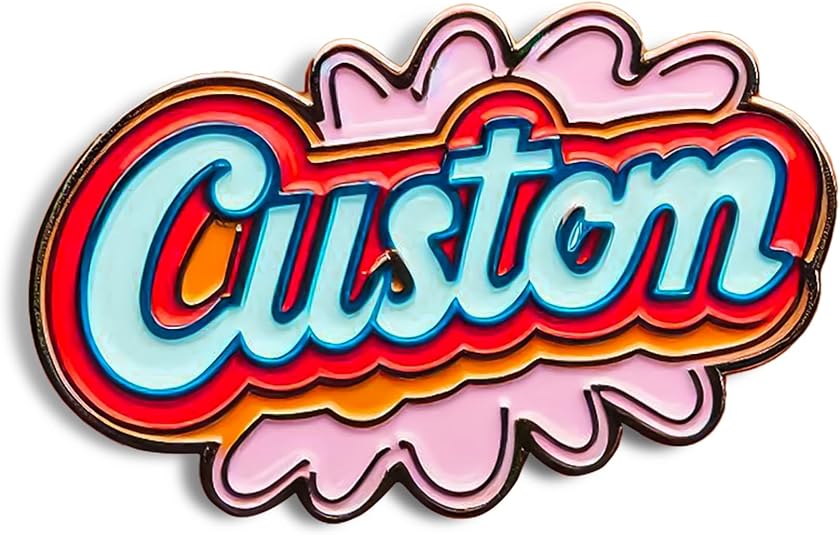
Tangible rewards system that transforms abstract achievements into displayable collections—wear them on a jacket or backpack to signal your quest completions to other players and create conversation starters
As an Amazon Associate I earn from qualifying purchases. Prices may change.
Step-by-Step Guide
Map your life as quest content
Spend one full day noting everything you actually do—errands, work tasks, social obligations, hobbies. Sort these activities into main quests (career goals, relationships), side quests (skills, exploration), and daily quests (maintenance tasks). This baseline reveals what you're already playing.
💡 Pro Tips:
- • Don't idealize—track what you actually do, not what you wish you did
- • Look for patterns: repeated activities are perfect daily quest material
Build your quest tracking system
Choose your platform—bullet journal, spreadsheet, habit tracker app, or dedicated quest log. Design it like a game UI with active quests, completed achievements, skill trees, and reputation bars. Include space for difficulty ratings, completion timestamps, and quest notes. The interface should feel satisfying to update, not like homework.
💡 Pro Tips:
- • Test-drive your system for one week before committing to elaborate designs
- • Visual progress (checkboxes, fill bars) triggers better dopamine than plain lists
Create your first progressive quest chain
Pick one area—fitness, creativity, or local exploration. Break it into three progressive tiers that build on each other. For 'Urban Explorer': Level 1 'Visit 5 neighborhoods you've never walked through,' Level 2 'Find 3 hidden historical markers,' Level 3 'Document and share 10 overlooked architectural details.' Each tier should feel achievable but require genuine effort.
💡 Pro Tips:
- • Start with something you're already curious about, not what you think you should do
Set difficulty modifiers and real rewards
Design the same quest at multiple difficulty levels. 'Grocery Shopping' on easy: use your list at the familiar store. Normal: try three new ingredients. Hard: zero-waste shopping at the farmer's market. Expert: foraged ingredients only. Match completion rewards to tangible benefits—finish the coffee shop quest chain, buy those expensive beans you've been eyeing.
💡 Pro Tips:
- • Let yourself choose difficulty based on current energy and time, not ego
- • Real rewards work better than arbitrary points—unlock actual treats
Add discovery and random encounters
Create 'fog of war' on your city map—mark unmapped areas and reveal them through exploration. Build random encounter tables: talk to a stranger at a bus stop, try a restaurant you'd normally pass, take the first left turn you see. Track XP based on difficulty and quality, setting level thresholds that unlock new quest types (Level 5 'Social' unlocks 'Host a Dinner Party').
💡 Pro Tips:
- • Random generation breaks the script—use dice, random number generators, or coin flips
- • Assign higher XP to quests that genuinely push your comfort zone
Join forces and run seasonal events
Find other people running real-world quests and share quest logs, create co-op challenges, compare achievements. Design time-limited seasonal quests: 'Summer Quest: Swim in 5 Different Bodies of Water (June-August)' or 'November Challenge: Learn 30 New Facts About Your City.' Review your quest log monthly—retire what became a chore, introduce new chains based on emergent interests.
💡 Pro Tips:
- • Group quests like 'Organize a Neighborhood Cleanup' have better rewards with party members
- • If your quest log starts feeling like a second job, you've over-gamified—scale back
Gear Up for Your Quest
The gear that makes this quest work.
Pull it off

Multi-Tool Keychain (Leatherman Squirt or Gerber Dime)
The real-world equivalent of inventory items—opens random encounter options by being prepared for spontaneous quests like 'Fix a Stranger's Broken Bike' or 'Impromptu Picnic Assembly'
+ complete the kit — 3 more

Quest Progress Tracker App (Habitica or LifeRPG)
RecommendedProvides instant visual feedback on quest completion, automated XP calculation, and achievement unlocks without manual tracking—turns your phone into a literal quest log with notifications and party features
Gamified habit and task management apps with RPG mechanics, avatar progression, and achievement systems built for real-world questing

For analog quest-runners who want tactile progression tracking—the physical act of drawing completion bars, sketching maps, and hand-writing achievements creates stronger memory encoding than digital logging
Durable hardcover notebook with numbered pages, index, and grid layout designed for bullet journaling and custom layouts
Get on Amazon · $8.99 — Portable Quest Journal (Leuchtturm1917 or Moleskine with Grid Pages)details & deals →
Tangible rewards system that transforms abstract achievements into displayable collections—wear them on a jacket or backpack to signal your quest completions to other players and create conversation starters
Physical collectible pins or patches representing completed quest milestones, designed or purchased to match your quest themes
Get on Amazon · $149.99 — Achievement Badge Collection System (Custom Enamel Pins or Patches)details & deals →RELATED GEAR GUIDE
Gamify Your Life Kit: 6 Picks to Turn Days Into Quests
Field-tested picks · Personal Growth
As an Amazon Associate, IRL Sidequests earns from qualifying purchases at no extra cost to you.
Prices and availability are subject to change. The price shown at checkout on Amazon at the time of purchase will apply.
Editor's Picks
Hand-selected quests our team thinks you'll love

Random Side Quest Generator: Complete Guide to Spontaneous Adventures
Turn decision paralysis into roll-the-dice action.

Desk Reset Rituals for Screen Workers
Your screen blur isn't age—it's ritual deficit.

Build Your Domestic Confidence Toolkit
The difference between panicking when something breaks and calmly handling it yourself.
Not this one?
Get a different side quest in 30 seconds
Tell the generator how much time you have, who you're with, and your mood — it picks from 500+ quests like this one.
Try the real life side quest generator