
Map Your Neighborhood's Hidden Food Stories
Every corner store has a story—time to collect them all.
About This Quest
Build a living map of your neighborhood's food culture by interviewing vendors, documenting family recipes, and capturing the stories behind corner shops and street carts.
Your neighborhood's real food culture isn't on Yelp—it's in the 3AM baker prepping sesame bread, the taco cart guy who remembers your order, the bodega owner whose grandmother's pickle recipe still sits in jars by the register. These stories disappear when leases end and generations pass. This quest turns you into a food culture documentarian, building a living archive of the culinary knowledge hiding in plain sight. You'll spend sessions walking your area with fresh eyes, striking up conversations with people who feed your community. The halal cart operator who switched from engineering. The Vietnamese sandwich shop running the same menu since 1987. The new Korean spot where the owner's mom cooks on weekends. You're not writing Yelp reviews—you're capturing origin stories, family traditions, neighborhood economics, and the micro-cultures that make your area unique. The output is a personal map—digital or physical—linking locations to stories, recipes (when shared), photos, and the human connections behind everyday food. Some document in notebooks, others use voice memos and photo apps, many create simple Google Maps with rich annotations. The format matters less than the practice: showing up, listening well, and recognizing that food vendors are culture keepers. After a month, you'll have a resource no guidebook offers and relationships that change how you move through your neighborhood.
Why This Quest Matters
After a month, you'll have a resource no guidebook offers and relationships that change how you move through your neighborhood. You become someone who sees the 3AM baker prepping sesame bread, the taco cart guy who remembers orders, the bodega owner's grandmother's pickle recipe—the real food culture that disappears when leases end and generations pass. You're not writing reviews; you're preserving the human stories and culinary knowledge hiding in plain sight.
What You'll Experience
- How to document oral food histories and family recipe archaeology
- The hidden economic and cultural ecosystems connecting neighborhood food vendors
- Interview techniques that earn trust and unlock deeper stories over multiple visits
- How to identify cultural knowledge holders and businesses at risk of closure
- Methods for creating shareable community archives that honor vendor boundaries
What You'll Need
Top gear to make this quest great.
Pull it off
Wide Angle Smartphone Lens
Documents the full spatial story—cramped kitchens, family photo walls, handwritten price boards—in narrow shops and food carts where you can't step back far enough
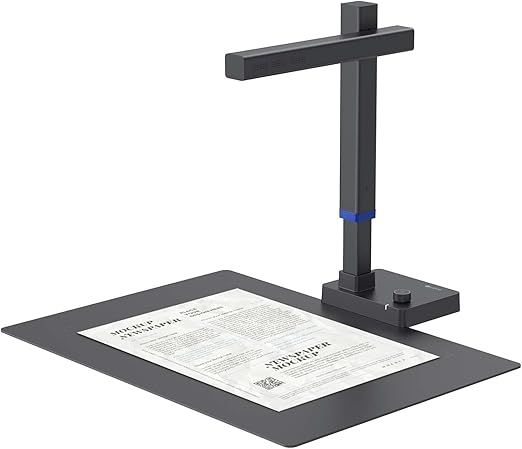
Preserves ephemeral paper artifacts—vintage menus, family recipe cards, newspaper clippings about the business—that vendors might let you copy but not keep
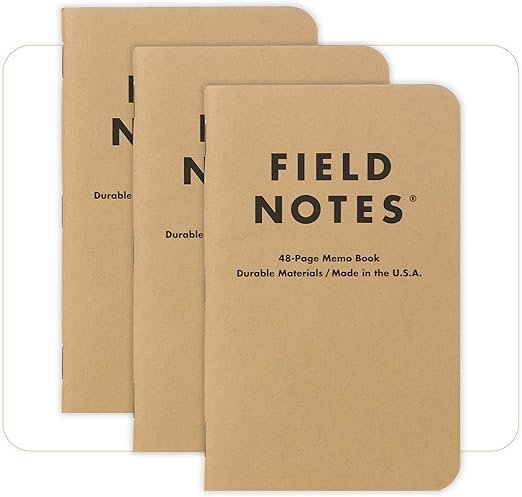
Survives splashes, grease, rain, and being shoved in pockets while moving between vendors; regular notebooks turn to mush in food environments
As an Amazon Associate I earn from qualifying purchases. Prices may change.
Step-by-Step Guide
Map your documentation zone
Pick a 6-10 block radius you can walk comfortably, focusing on areas dense with food carts, corner stores, family restaurants, bakeries, and markets. Set up your capture system—a phone note, pocket notebook, or private Google Map with fields for business name, owner name, origin story, signature items, years operating, and family involvement. This is your working archive structure.
💡 Pro Tips:
- • Include date and weather in entries—weather affects cart vendors' stories and availability
- • Add a 'follow-up questions' field to each entry for your next visit
Start low-stakes customer conversations
Buy something first, then ask simple openers: 'How long have you been here?' 'What got you into this?' 'What's your favorite thing to make?' Take notes openly and explain you're documenting neighborhood food culture. Most people light up when asked about their craft, but real stories take multiple visits—the 65-year-old bakery owner won't share their Cultural Revolution escape story on visit one.
💡 Pro Tips:
- • Always ask permission before photographing people or recording specific recipes
- • Some stories are for your ears only; honor that boundary
Listen for deeper layers
Ask about recipe origins, family traditions, how the neighborhood has changed, challenges they face, what customers don't know. When someone mentions 'my grandmother's way' or 'how we did it back home,' gently ask if they'd share details—your documentation might be the only record outside their memory. Look for the halal cart operator who switched from engineering, the shop running the same menu since 1987.
💡 Pro Tips:
- • Note ingredient suppliers, family members working together, vendors who recommend each other—you're mapping an ecosystem
- • Return during different holidays and seasons to catch cultural menu shifts like pan de muerto or Passover specials
Document the ecosystem patterns
Track who supplies whom, which vendors know each other, what cultural holidays shift menus, and how opening hours reveal gig-economy realities. Note when the Chinese place has a different menu in Chinese or when the empanada cart only appears Fridays. Quietly observe economics—prices, business models, food access patterns—to understand the full neighborhood landscape.
💡 Pro Tips:
- • If someone mentions retirement, rising rent, or 'maybe one more year,' document urgently and consider audio interviews
- • Identify living libraries—the Filipino grocery owner explaining 12 dried fish varieties, the Yemeni cafe owner sourcing specific honey from home
Build connections and share back
When you discover stories at one spot, share relevant connections with others: 'The tamale cart lady said her masa supplier remembers when you opened.' You're illuminating the community web. Compile monthly mini-profiles and share them with vendors themselves—many have never seen their story written down. Some neighborhoods turn these into zines, community blogs, or printed maps.
Reflect and expand your coverage
Every few weeks, review your notes and ask: What patterns emerge? Which cuisines dominate? Who's missing from my map? Are language barriers preventing certain stories? Adjust to capture fuller neighborhood diversity. Look for connections to larger movements—sustainable sourcing, food desert solutions, traditional recipes adapted with local ingredients—that show resilience and positive practices.
💡 Pro Tips:
- • Your archive has value beyond personal collection; consider what format serves your community best
Gear Up for Your Quest
The gear that makes this quest work.
Pull it off

Wide Angle Smartphone Lens
Documents the full spatial story—cramped kitchens, family photo walls, handwritten price boards—in narrow shops and food carts where you can't step back far enough
+ complete the kit — 3 more

Voice Recorder App with Transcription
RecommendedCaptures exact quotes and story details during longer conversations when note-taking would be intrusive; transcripts make story review and archiving easier
Smartphone app like Otter.ai, Rev Voice Recorder, or Just Press Record that captures interviews and generates searchable transcripts

Portable Document Scanner
OptionalPreserves ephemeral paper artifacts—vintage menus, family recipe cards, newspaper clippings about the business—that vendors might let you copy but not keep
Phone-based scanner app (Adobe Scan, Microsoft Lens) or portable flatbed scanner for digitizing menus, handwritten recipes, old photos vendors share
Get on Amazon · $199.00 — Portable Document Scannerdetails & deals →
Survives splashes, grease, rain, and being shoved in pockets while moving between vendors; regular notebooks turn to mush in food environments
Pocket-sized notebook with water-resistant paper and durable cover for taking notes in markets, near food carts, and during weather exposure
Get on Amazon · $12.95 — Field Notes Weatherproof Notebookdetails & deals →As an Amazon Associate, IRL Sidequests earns from qualifying purchases at no extra cost to you.
Prices and availability are subject to change. The price shown at checkout on Amazon at the time of purchase will apply.
Editor's Picks
Hand-selected quests our team thinks you'll love

Guerrilla Gardening: Plant Beauty Where It's Not Expected
That cracked sidewalk planter doesn't need to stay dead—fill it with wildflowers at 2AM and watch neighbors smile for months.

Backyard Conversation Workshop
Your backyard becomes the training ground where awkward silences turn into confident conversations.

Community Kitchen & Culinary Connection Hub
The best recipes get passed hand-to-hand, not screen-to-screen.