Get a recipe card from every single person who brought a dish, and give yours to all of them. Then pick one card from the pile and promise the cook you'll make it this week.
Bonus challenge: Find two neighbors who make the same dish completely differently and get both cards.
Accept this questSaves it to your list, no account needed.
Time
3-4 hours per event
Cost
Supplies only
Starter gear from $42
Figure $15–35 per person for ingredients and printed cards. Splitting the venue and supplies usually lands under $5 each.
friends, family, a group, kids · All ages, with kids supervised near the warming table
Level
Beginner
Where
Both
Season
Year-round
Summer potlucks work well in parks or backyards; winter gatherings shine in community centers or rotating host homes
About This Quest
Gather eight to ten neighbors for an afternoon potluck where every dish arrives with printed recipe cards. You eat, you listen to the story behind each pot, then you trade cards and go home with a stack of recipes written in your neighbors' own handwriting.
A potluck table is already a good time. Add a little stack of recipe cards next to each dish and suddenly you're not just eating your neighbor's rice and beans, you're taking it home with you.
Everyone brings one dish that feeds eight to ten people and five to ten printed cards with the recipe on them. Over three or four hours you fill plates, tell the sixty-second story behind your dish, and swap cards until everyone's pockets are full. Can't cook much? Bring the thing you make best, even if it's a salad. Then let the swapping begin.
Why This Quest Matters
There's a difference between tasting a dish and being handed the recipe. One is a nice afternoon; the other means your neighbor's grandmother is in your kitchen next Tuesday. Those little cards stay on the fridge for years, and every time you cook from one you remember who gave it to you.
What You'll Experience
Taste the whole block: Eight to ten dishes on one table, and you get a plate of each.
Tell your dish's story: Sixty seconds to explain why this recipe matters to you.
Trade like it's trading cards: Walk the table, swap cards, fill your hands with recipes.
Cook a neighbor's dish next week: Your fridge gains a stack of recipes with names attached.
What You'll Need
Top gear to make this quest great.
Pull it off
Printable 4x6 blank index cards
Printable blank cards so every dish goes home with your neighbors, not just into their stomachs.
As an Amazon Associate I earn from qualifying purchases. Prices may change.
Before You Begin
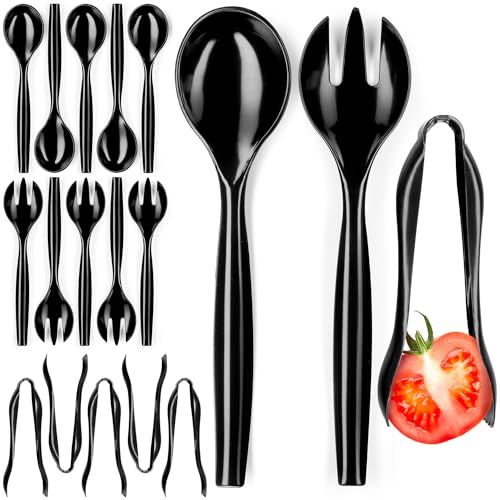
Two weeks out, invite eight to ten neighbors and ask each for one dish that serves eight to ten people, plus five to ten printed recipe cards with allergen notes. You'll want blank 4x6 index card stock and a printer, a venue with tables, chairs and outlets (a community room, a park pavilion or a rotating host home), and a way to hold food at a safe temperature: either chafing stands with gel fuel or electric slow cookers. A rain backup plan saves an outdoor afternoon. Serving spoons for every dish and a small card stand keep the table moving.
Safety Tips
A good quest stays a good story. These are general notes; your gear's manual, the venue's rules and local law come first.
Pick one warming method and stick to it. Gel-fuel chafing stands mean open flame; electric slow cookers mean cords and circuits.
If you use gel fuel, set the stands on a level, heat-safe surface well back from table edges, paper goods and decorations, with clear space above and beside each burner, and follow the fuel maker's instructions exactly.
Never refuel a burner that is lit or still hot. Let it burn out and cool completely before you touch the canister.
Keep a fire extinguisher or bucket of water within arm's reach of the warming station, make sure at least one adult knows where it is, and have an adult stationed at the warming table any time fuel is lit. Kids stay back from the burner line.
Using slow cookers instead? Tape the cords down so nobody trips, skip daisy-chained power strips, and ask the venue how many appliances its circuits can handle before you plug in.
Hold hot dishes above 140°F and cold dishes below 40°F, and pull any meat, fish, egg or dairy dish that has sat out at room temperature for two hours.
Step-by-Step Guide
1
Lock In Your Spot
45 min
Find a room or pavilion that comfortably seats eight to ten people with tables, chairs and outlets you can actually reach. Community rooms, park pavilions and rotating host homes all work. If you're going outdoors, confirm a rain backup before you tell anyone the date. Check with the venue about open flame and ask how much its circuits can handle.
💡 Pro Tips:
• Outdoors is lovely May through September. For colder months, book somewhere with heat so the food and the conversation both stay warm.
2
Print the Cards
30 min
Make a simple 4x6 card template with room for the dish name, the cook's name, ingredients, instructions and a little space at the bottom for the story or the one tip that makes it work. Print a stack of blanks so anyone who forgets theirs can fill some in on the spot. Nobody gets left out of the swap.
💡 Pro Tips:
• Print a few extras of your own card too. Popular dishes run out of cards fast.
3
Set the Table
25 min
Line the food station up the way people eat: appetizers, mains, sides, then desserts. Label each dish with a name card listing allergens, and put a serving utensil in every single one. Set up your warming method at one end, away from the traffic, with an adult on duty there once the fuel is lit or the cookers are plugged in.
💡 Pro Tips:
• Stack each cook's recipe cards right beside their dish. Then grabbing a card feels as natural as grabbing a spoon.
4
Eat Everything
75 min
Doors open, dishes land, lids come off. Give everyone half an hour to arrive and get their food warm or cold and settled, then let the buffet run for about forty-five minutes. Go around twice. Ask who made the thing you just loved. Keep an eye on the clock for the protein dishes so they come off the table at the two-hour mark.
💡 Pro Tips:
• Take a small spoonful of everything on your first pass, then go back for seconds of your favorites. That way you actually taste the whole table.
5
Swap and Tell
40 min
Here's the heart of it. Go one at a time around the group and give each cook sixty seconds to say what their dish is and where it came from: a grandmother, a roommate, a wild guess that worked. Then everyone gets up, walks the table and trades cards until they've got one from every cook. Your goal is a complete set.
💡 Pro Tips:
• The best cards have a sentence in the story space. Write yours before you arrive, even if it's just "my mom makes this every Sunday."
6
Photo and Next Date
20 min
Crowd everyone behind the table with their dishes and take a group photo while the food still looks good. Pick the next date right then, while everybody's full and happy and saying yes to things. Hear any card corrections out loud so people can scribble on theirs, then send the photo around within two days so nobody forgets it happened.
💡 Pro Tips:
• Before you leave, tell one cook which recipe of theirs you're making this week. They'll ask you how it went, and that's how a potluck becomes a habit.
You just fed eight to ten neighbors and came home with their recipes in your hand. Cook one of those cards this week and tell the person who gave it to you.
Street Food Swap: Host a Global Block Party Dinner
Everyone brings one dish. Everyone leaves with eight.
Invite your neighbors over for a night where everyone brings one street food dish, portioned out small, and trades it plate by plate. You'll taste eight countries in one evening, hear how each dish is really made, and end up sitting down together with a plate of everything.
Dinner starts at one neighbor's door and ends at another's cake.
Gather four to six households on your street and eat one dinner in four to six kitchens. Each home serves one course, everyone walks five minutes to the next, and by dessert you know the names behind every front door. Soup here, mains there, cake at the end.