
Guerrilla Gardening: Plant Beauty Where It's Not Expected
That cracked sidewalk planter doesn't need to stay dead—fill it with wildflowers at 2AM and watch neighbors smile for months.
About This Quest
Learn guerrilla gardening tactics to green up forgotten urban corners with native plants, seed bombs, and nighttime planting missions.
Guerrilla gardening turns urban neglect into green rebellion. You're targeting those spaces nobody claims—the tree pits filled with trash, the corner lot where weeds have won, the highway median that's been brown for years. This isn't about asking permission. It's about showing up with native plants and compost after dark, transforming eyesores into pocket ecosystems that benefit pollinators, cool the pavement, and prove that citizens can reclaim public space one shovelful at a time. The best missions happen between 10PM and dawn when foot traffic dies and you can work uninterrupted. I've planted sunflowers in a forgotten planter box on 5th Street that now stops people in their tracks every July. The key is choosing hardy native species that survive neglect—black-eyed Susans, coneflowers, milkweed, native grasses. These plants evolved for your climate and don't need you babysitting them with a watering can every morning. Start small with seed bombs in spring—clay, compost, and native wildflower seeds rolled into marble-sized balls you can toss into chain-link fence corners or vacant lots. Graduate to nighttime planting missions with actual transplants and soil amendments. The thrill isn't just horticultural—it's watching a dead space bloom into something alive, knowing you did it without waiting for bureaucracy to approve a single permit. Document nothing digitally during the act, but photograph the transformation weeks later when those plants establish and the space feels reborn.
Why This Quest Matters
You're creating pocket ecosystems that benefit pollinators, cool pavement, and prove citizens can reclaim public space without waiting for permits. The thrill is watching a dead space bloom into something alive, knowing neighbors will smile for months and assume the city finally did something right—when really, it was you with a trowel at 2AM.
What You'll Experience
- Which native plants thrive in neglect and poor urban soil
- How to work undetected in public space after dark
- The satisfaction of transforming eyesores into green infrastructure without permission
- Seed bomb making and guerrilla planting techniques
- How to build community around unsanctioned civic improvement
What You'll Need
Top gear to make this quest great.
Pull it off
Hori Hori Garden Knife with Sheath
Silent, compact digging tool perfect for covert planting missions—cuts through roots and compacted urban soil faster than trowels, fits in backpack, and the sheath prevents noise
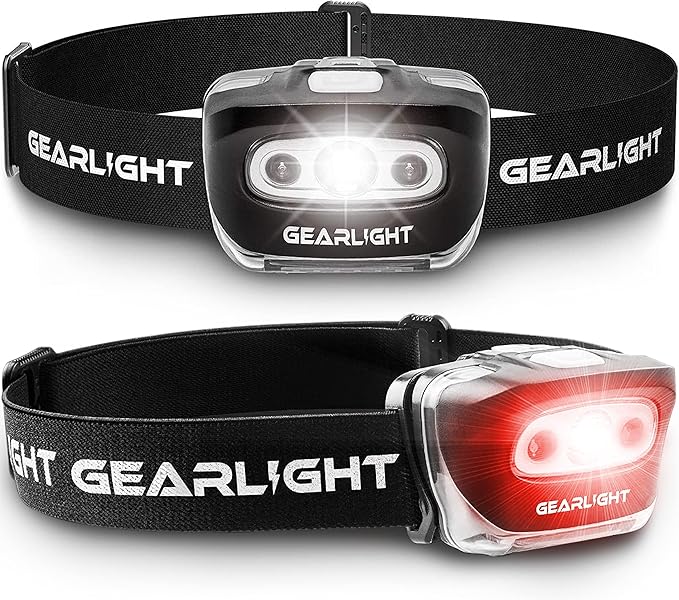
Red light maintains your night vision while providing hands-free illumination for digging and planting without attracting attention from blocks away like white light does

Native species establish without maintenance, support local pollinators, and blend naturally into the landscape rather than screaming 'someone planted this illegally'—critical for long-term mission success
As an Amazon Associate I earn from qualifying purchases. Prices may change.
Step-by-Step Guide
Scout dead spaces in daylight
Walk your neighborhood looking for forgotten tree pits, abandoned planters, median strips, and cracked pavement gaps where soil still exists underneath. Take mental notes of sunlight, foot traffic patterns, and which spots feel neglected enough that your intervention will look like improvement rather than intrusion.
💡 Pro Tips:
- • Avoid spaces actively maintained by businesses or residences—target true no-man's-land
- • Check if soil exists under surface debris; scrape away trash with your shoe to confirm
Research and source native plants
Identify native wildflowers and grasses for your hardiness zone that tolerate poor soil and irregular water—black-eyed Susans, coneflowers, milkweed, native grasses. Contact local native plant societies or extension offices for species lists. These plants evolved for your climate and survive without babysitting.
💡 Pro Tips:
- • Choose species that camouflage initially but bloom spectacularly later
- • Buy 4-inch pot transplants for serious missions; collect seeds for seed bombs
Make seed bombs for easy strikes
Mix 5 parts red clay powder, 3 parts compost, 1 part native wildflower seeds. Add water until moldable, roll into marble-sized balls, dry 24-48 hours. Toss these into chain-link fence corners, vacant lot edges, or any crack where they can lodge and germinate after rain.
💡 Pro Tips:
- • Make batches in spring when rainfall will help seeds establish
Execute nighttime planting missions
Between 10PM and 5AM, arrive in dark clothing with transplants, trowel, headlamp with red filter, gloves, and compost. Dig holes twice the root ball width, mix native soil with compost, plant at same depth as pot, tamp firmly, water thoroughly. Take all plastic pots and trash with you—sweep up soil spills so the site looks intentionally landscaped.
💡 Pro Tips:
- • Work when foot traffic dies so you can plant uninterrupted
- • Red filter headlamps preserve night vision and draw less attention than white light
Water weekly until plants establish
Return during early morning hours for the first month to water if rain is scarce. Once roots establish, native plants survive on their own—they evolved for your climate's natural rainfall patterns.
💡 Pro Tips:
- • After establishment, let nature take over; these aren't ornamentals that need coddling
Document and expand your network
Photograph the transformation monthly from the same angle—watch how your midnight mission creates lasting green infrastructure. Host seed bomb rolling parties, share native plant sources, and build a network of gardeners who green the city one forgotten corner at a time.
Gear Up for Your Quest
The gear that makes this quest work.
Pull it off

Hori Hori Garden Knife with Sheath
Silent, compact digging tool perfect for covert planting missions—cuts through roots and compacted urban soil faster than trowels, fits in backpack, and the sheath prevents noise
+ complete the kit — 4 more

Red light maintains your night vision while providing hands-free illumination for digging and planting without attracting attention from blocks away like white light does
LED headlamp with red filter setting for night vision preservation
Get on Amazon · $12.99 — Headlamp with Red Light Modedetails & deals →
Native Plant Seeds Variety Pack
EssentialNative species establish without maintenance, support local pollinators, and blend naturally into the landscape rather than screaming 'someone planted this illegally'—critical for long-term mission success
Regional native wildflower and grass seed mix from reputable native plant supplier
Get on Amazon · $5.49 — Native Plant Seeds Variety Packdetails & deals →
Soil pH and Moisture Meter
RecommendedQuick soil assessment during scouting helps you match plants to site conditions—saves you from planting acid-lovers in alkaline medians or water-hungry species in drought zones
Analog probe that tests soil pH, moisture, and light levels without batteries
Get on Amazon · $27.97 — Soil pH and Moisture Meterdetails & deals →
Collapsible Water Bladder (2L)
RecommendedCarry water for initial planting without the bulk and noise of hard containers—essential for remote sites without hydrant access, packs flat in your bag after use
Flexible water reservoir that flattens when empty
Get on Amazon · $27.00 — Collapsible Water Bladder (2L)details & deals →RELATED GEAR GUIDE
Guerrilla Gardening Gear: 6 Picks to Green Your Block
Field-tested picks · Social & Community
As an Amazon Associate, IRL Sidequests earns from qualifying purchases at no extra cost to you.
Prices and availability are subject to change. The price shown at checkout on Amazon at the time of purchase will apply.
Editor's Picks
Hand-selected quests our team thinks you'll love

Backyard Conversation Workshop
Your backyard becomes the training ground where awkward silences turn into confident conversations.

Community Kitchen & Culinary Connection Hub
The best recipes get passed hand-to-hand, not screen-to-screen.

Host a Skill-Swap Dinner Party
The best dinner parties end with everyone leaving smarter than they arrived.