
Community Kitchen & Culinary Connection Hub
The best recipes get passed hand-to-hand, not screen-to-screen.
About This Quest
Cook alongside neighbors in a shared kitchen space where recipes become conversation starters and meals turn strangers into friends.
Community kitchens exist in church basements, maker spaces, food incubators, and renovated storefronts. They're where a retired Thai grandmother teaches you to fold dumplings while a college student shows her how to make overnight oats. The counter space gets tight, someone always forgets the garlic, and you leave with Tupperware full of food you didn't cook alone. These spaces operate on a barter economy of skills and ingredients. Bring your sourdough starter, trade it for homemade kimchi. Show up not knowing how to dice an onion properly, leave with knife skills and three new texting contacts. The rhythm develops naturally—someone preps, someone stirs, someone washes, everyone tastes. Conversations happen in the gaps between timer beeps. Most community kitchens run on donation-based models or small membership fees. Some focus on specific cuisines, others on food preservation, meal prep for families, or teaching cooking basics to young adults. The magic happens when the recipe becomes secondary to the people around the cutting board. You're not just learning to cook—you're plugging into the neighborhood's actual social network, the one that existed before everyone moved online.
Why This Quest Matters
You'll leave with Tupperware full of food you didn't cook alone and knife skills traded for sourdough starter secrets. The counter space gets tight, someone always forgets the garlic, but conversations happen in the gaps between timer beeps. You're plugging into the neighborhood's actual social network, the one that existed before everyone moved online.
What You'll Experience
- Hands-on cooking techniques passed directly from experienced home cooks
- How to navigate shared kitchen etiquette and food-space barter economies
- Practical knife skills, fermentation basics, or cultural cooking methods you can't learn from videos
- A network of local cooking contacts for ingredient swaps and future collaborations
- How to organize and lead community cooking sessions
What You'll Need
Top gear to make this quest great.
Pull it off
Chef's Knife Roll (3-Piece Starter)
Shared kitchen knives are often dull or mismatched; bringing your own means you control your cutting precision and aren't waiting for someone else's eight-inch Wüsthof. The roll keeps them protected and makes you look like you mean business.
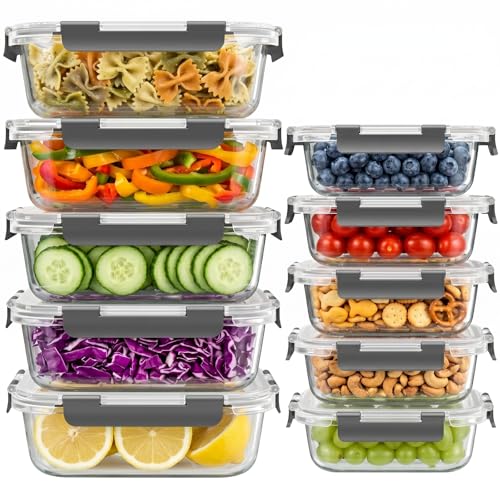
You'll always leave with leftovers or portions to share, and glass doesn't absorb smells like plastic. Having your own set means you're not hunting for mismatched Tupperware or losing containers you'll never see again. They also make you look prepared when dividing up a big batch.
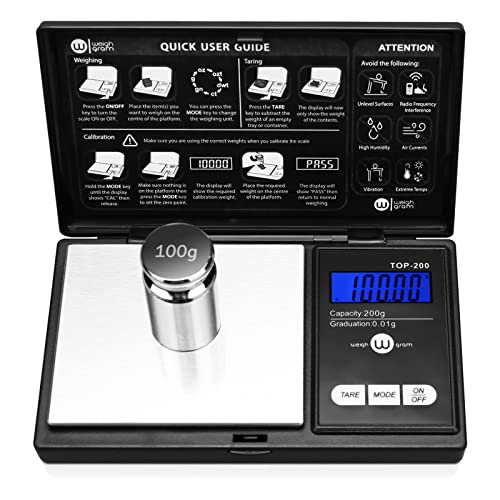
Critical for baking collaborations or when splitting ingredient costs fairly. Shared kitchens often lack precision tools, and this lets you measure yeasted dough hydration, portion batches evenly, or calculate recipe conversions without eyeballing it.
As an Amazon Associate I earn from qualifying purchases. Prices may change.
Step-by-Step Guide
Find your local shared kitchen
Search 'community kitchen near me', 'shared kitchen space', or 'cooking co-op'. Check maker spaces, community centers, churches, and food business incubators—many rent kitchen time or host open cook sessions. Visit during an open house or drop-in to observe the vibe: instructional classes, open cooking time, or structured meal prep?
💡 Pro Tips:
- • Talk to regulars about unwritten rules—some spaces are strict about cleanup, others looser about ingredient sharing
Bring something to share
Show up your first time with a signature ingredient or dish component: a jar of homemade hot sauce, fresh herbs from your garden, or a family spice blend. This signals you're there to participate, not just observe.
💡 Pro Tips:
- • Even something simple like a unique spice mix opens conversation and establishes you as a contributor
Cook alongside others strategically
Start with a task you're confident with, then ask questions on skills you want to learn. The pasta-maker at the corner table will absolutely show you how to get the dough texture right if you ask between batches. The rhythm develops naturally—someone preps, someone stirs, someone washes, everyone tastes.
Build your cooking crew
Exchange contact info with 2-3 people who cook styles you want to learn or who need help with techniques you know. These become your cooking crew for future sessions or ingredient swaps outside the kitchen.
💡 Pro Tips:
- • Look for complementary skills—a baker who wants to learn pickling, a fermenter who needs knife skills coaching
Propose a member-led theme night
If the kitchen allows member-driven sessions, suggest a theme: dumpling folding party, fermentation workshop, use-up-the-CSA-box challenge. Community kitchens thrive when members drive the programming. Document recipes that emerge from collective efforts on the bulletin board or group chat—these become the space's living cookbook.
Gear Up for Your Quest
The gear that makes this quest work.
Pull it off

Chef's Knife Roll (3-Piece Starter)
Shared kitchen knives are often dull or mismatched; bringing your own means you control your cutting precision and aren't waiting for someone else's eight-inch Wüsthof. The roll keeps them protected and makes you look like you mean business.
+ complete the kit — 3 more

Glass Meal Prep Container Set
RecommendedYou'll always leave with leftovers or portions to share, and glass doesn't absorb smells like plastic. Having your own set means you're not hunting for mismatched Tupperware or losing containers you'll never see again. They also make you look prepared when dividing up a big batch.
Stack of 4-6 glass containers with snap lids in various sizes
Get on Amazon · $39.99 — Glass Meal Prep Container Setdetails & deals →
Pocket Digital Kitchen Scale
OptionalCritical for baking collaborations or when splitting ingredient costs fairly. Shared kitchens often lack precision tools, and this lets you measure yeasted dough hydration, portion batches evenly, or calculate recipe conversions without eyeballing it.
Compact scale that measures in grams and ounces, fits in an apron pocket
Get on Amazon · $11.99 — Pocket Digital Kitchen Scaledetails & deals →
Silicone Pot Holders (Pair)
OptionalCommunal oven mitts are often scorched, wet, or missing. These are compact, heat-proof to 450°F, and you'll never burn your hand pulling a sheet pan because someone else left the cloth mitt too close to the burner. Plus they dry instantly.
Heat-resistant silicone grips shaped like mitts or pinch pads
Get on Amazon · $8.06 — Silicone Pot Holders (Pair)details & deals →RELATED GEAR GUIDE
Guerrilla Gardening Gear: 6 Picks to Green Your Block
Field-tested picks · Social & Community
As an Amazon Associate, IRL Sidequests earns from qualifying purchases at no extra cost to you.
Prices and availability are subject to change. The price shown at checkout on Amazon at the time of purchase will apply.
Editor's Picks
Hand-selected quests our team thinks you'll love

Guerrilla Gardening: Plant Beauty Where It's Not Expected
That cracked sidewalk planter doesn't need to stay dead—fill it with wildflowers at 2AM and watch neighbors smile for months.

Backyard Conversation Workshop
Your backyard becomes the training ground where awkward silences turn into confident conversations.

Host a Skill-Swap Dinner Party
The best dinner parties end with everyone leaving smarter than they arrived.