
Backyard Conversation Workshop
Your backyard becomes the training ground where awkward silences turn into confident conversations.
About This Quest
Transform your outdoor space into a low-pressure practice ground for conversation skills, small talk mastery, and active listening techniques through structured weekly gatherings.
Most people don't suck at conversation because they lack personality—they lack practice in a safe environment. This quest turns your backyard, patio, or shared outdoor space into a weekly conversation lab where neighbors and friends practice the mechanics of human connection without the pressure of parties or networking events. You'll run structured 90-minute sessions using conversation frameworks, rotating discussion topics, and deliberate skill-building exercises. The first 20 minutes cover a specific technique (active listening, graceful topic transitions, reading body language). The middle hour lets people practice in rotating pairs or small groups. The final segment includes group reflection on what worked. Over six weeks, participants report feeling noticeably more confident in work meetings, family gatherings, and chance encounters. The magic happens because everyone knows they're here to practice, not perform. When someone stumbles through a story or loses their train of thought, it's expected. You're building the muscle memory of conversation—when to ask follow-up questions, how to hold eye contact without staring, the rhythm of give-and-take dialogue. One host in Portland runs these every Sunday at 4PM. Regulars say it's changed how they show up everywhere else.
Why This Quest Matters
You're building the muscle memory of conversation—the rhythm of give-and-take, the timing of follow-up questions, the confidence to sit with pauses. Because everyone knows they're practicing, not performing, stumbles become expected rather than mortifying. Regulars report showing up differently everywhere: work meetings, family dinners, chance encounters all feel less draining and more natural.
What You'll Experience
- How to ask questions that invite real stories, not one-word answers
- When to mirror someone's energy versus redirecting conversation flow
- Reading body language cues that signal engagement or exit wishes
- Recovering gracefully when you accidentally say something awkward
- The difference between comfortable silence and panicked dead air
What You'll Need
Top gear to make this quest great.
Pull it off
Interval Timer with Gentle Chime
Keeps practice rounds structured without making people feel rushed—the gentle sound cues transitions without killing momentum mid-conversation
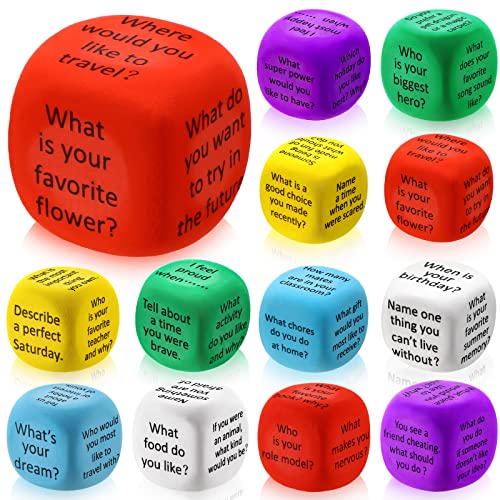
Removes the pressure of thinking up topics on the spot—roll it when conversation stalls during practice rounds to introduce unexpected topics that test flexibility
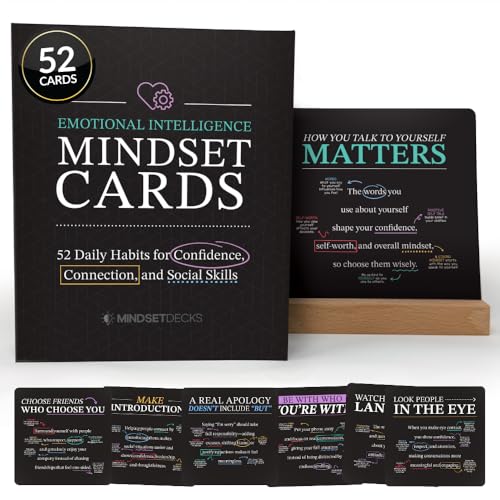
Provides structured teaching material for each week's skill focus—flip a card, teach that technique, practice it. Eliminates prep time for hosts.
As an Amazon Associate I earn from qualifying purchases. Prices may change.
Step-by-Step Guide
Arrange your conversation lab
Set up seating in a circle or U-shape where 6-10 people can see each other clearly. Test that voices at normal volume carry across 12 feet—no shouting, no straining. Avoid rows; everyone needs equal visibility.
💡 Pro Tips:
- • Run your first session with 6 people max to keep rotation manageable
- • Have a small bell or chime ready for signaling transitions without talking over people
Choose your weekly skill focus
Map six sessions to conversation fundamentals: asking open-ended questions, mirroring and validation, graceful disagreement, reading engagement cues, storytelling structure, comfortable silence. Each session builds one specific technique, not vague 'communication skills.'
💡 Pro Tips:
- • Start with asking open-ended questions—it's immediately useful and builds confidence fast
Open with icebreaker and skill demo
Spend 5 minutes having everyone share their name and answer one low-stakes prompt (best meal this week, last thing that made them laugh). Then teach the day's skill for 15 minutes using concrete examples and volunteer demonstrations—show what active listening looks like, not what it means in theory.
Run timed practice rounds
Set 8-minute timers for rotating pairs where Partner A practices the skill while Partner B gives them material to work with (tells a story, shares an opinion). Switch roles, then rotate to new partners. Use conversation prompts matched to the skill—'describe a project you're working on' for follow-up questions week, mild opinion topics for graceful disagreement week.
💡 Pro Tips:
- • Give 30 seconds warning before switching—people hate being cut off mid-sentence
- • After three sessions, add challenge rounds: recovering from awkward comments, keeping conversation alive with quiet partners
Practice group conversation dynamics
Gather everyone for 15 minutes to practice the skill around one shared topic, rotating who steers the conversation every 3 minutes. This reveals how the technique works in multi-person flow, not just one-on-one.
Close with reflection round
Give everyone 10 minutes to share one moment the skill clicked for them and one thing they'll work on next session. This metacognition turns accidental discoveries into conscious tools. By Week 4, notice if people need less prompting and if silences feel less panicky—adjust difficulty accordingly.
Gear Up for Your Quest
The gear that makes this quest work.
Pull it off

Interval Timer with Gentle Chime
Keeps practice rounds structured without making people feel rushed—the gentle sound cues transitions without killing momentum mid-conversation
+ complete the kit — 3 more

Conversation Cube Prompt Generator
RecommendedRemoves the pressure of thinking up topics on the spot—roll it when conversation stalls during practice rounds to introduce unexpected topics that test flexibility
Wooden or acrylic dice with conversation prompts on each face, designed for icebreakers and discussion starters
Get on Amazon · $16.99 — Conversation Cube Prompt Generatordetails & deals →
Conversation Skills Framework Cards
RecommendedProvides structured teaching material for each week's skill focus—flip a card, teach that technique, practice it. Eliminates prep time for hosts.
Deck of cards with specific communication techniques, body language cues, and question frameworks on each card
Get on Amazon · $29.99 — Conversation Skills Framework Cardsdetails & deals →
Softens the awkwardness of silence when people are thinking—gentle background audio makes pauses feel less intense without interfering with conversation
Portable speaker to play very low-volume instrumental music or nature sounds during practice rounds
Get on Amazon · $39.95 — Bluetooth Speaker for Ambient Backgrounddetails & deals →As an Amazon Associate, IRL Sidequests earns from qualifying purchases at no extra cost to you.
Prices and availability are subject to change. The price shown at checkout on Amazon at the time of purchase will apply.
Editor's Picks
Hand-selected quests our team thinks you'll love

Guerrilla Gardening: Plant Beauty Where It's Not Expected
That cracked sidewalk planter doesn't need to stay dead—fill it with wildflowers at 2AM and watch neighbors smile for months.

Community Kitchen & Culinary Connection Hub
The best recipes get passed hand-to-hand, not screen-to-screen.

Host a Skill-Swap Dinner Party
The best dinner parties end with everyone leaving smarter than they arrived.