
Analog Craft Skills Revival Hub
Your hands remember what screens forgot—bring back the craft skills that built everything before pixels.
About This Quest
Master hands-on analog craft skills through traditional techniques—printmaking, bookbinding, letterpress, and analog photography without digital shortcuts.
The smell of fresh ink on paper hits different than any notification ping. Analog craft skills—letterpress printing, hand bookbinding, block printing, darkroom photography—require zero batteries and 100% presence. These techniques survived centuries because they work, and because there's something fundamentally satisfying about making objects with your actual hands, where you can see every decision materialize in real time. This isn't nostalgia cosplay. Analog skills teach you material literacy that digital workflows skip entirely. When you carve a linoleum block, you understand positive and negative space viscerally. When you mix letterpress ink to the right consistency, you're reading viscosity by feel. When you stitch a book spine, you're engineering a functional hinge. These are embodied problem-solving skills that translate everywhere—and the objects you make carry a presence that laser-cut MDF never will. Find your local maker spaces, print shops, or community colleges offering analog craft workshops. Most cities have underground networks of printers, bookbinders, and film photographers who teach small classes. Commit to one technique for a month—show up weekly, make mistakes on cheap materials, and watch your hands get smarter. The first print that comes out exactly as you envisioned it will justify every ink-stained fingernail.
Why This Quest Matters
The first print that comes out exactly as you envisioned justifies every ink-stained fingernail. Analog skills teach material literacy digital workflows skip—you understand positive and negative space viscerally when carving, read viscosity by feel when mixing ink, engineer functional hinges when stitching spines. These embodied problem-solving skills translate everywhere, and the objects you make carry weight that screens can't replicate.
What You'll Experience
- Material literacy through hands-on manipulation of ink, paper, and tools
- Embodied problem-solving that translates beyond craft
- How to read viscosity, pressure, and registration by feel
- Cross-disciplinary techniques from the analog craft community
- The satisfaction of holding objects your actual hands created
What You'll Need
Top gear to make this quest great.
Pull it off
Speedball Linoleum Cutter Set with Blades
Precision carving tools let you practice block printing at home between workshop sessions—essential for building muscle memory and design confidence
Get on Amazon · $17.99 — Speedball Linoleum Cutter Set with Blades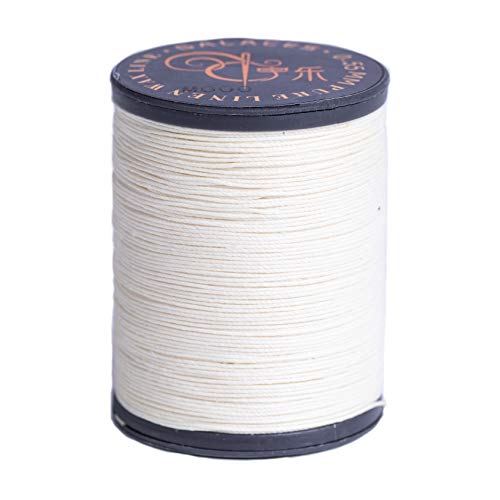
Proper bookbinding thread doesn't fray or slip like cotton—wax coating provides grip and durability for sewn signatures that last decades
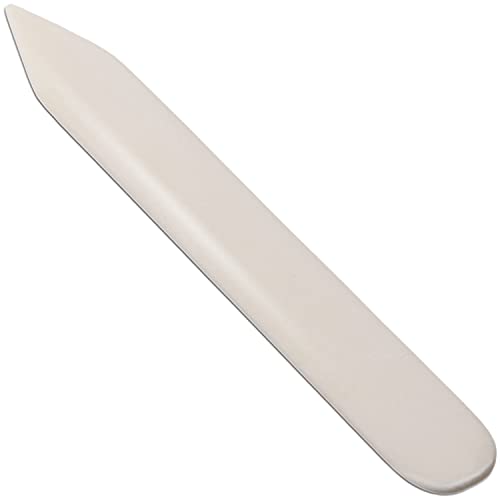
Bone folders create clean, professional folds in thick paper and book cloth—plastic versions slip and mar surfaces; real bone polishes as it creases
As an Amazon Associate I earn from qualifying purchases. Prices may change.
Step-by-Step Guide
Find Your Local Analog Network
Search 'letterpress workshop [city]', 'bookbinding class near me', or 'darkroom photography access' to locate maker spaces, print shops, and community colleges with equipment. Check Instagram hashtags like #letterpress[yourcity] to discover working studios and underground craft communities. Most cities have printers, bookbinders, and film photographers teaching small classes.
💡 Pro Tips:
- • Arts centers often share equipment across disciplines—a letterpress studio may also have bookbinding tools
- • Community college continuing education courses run cheaper than private studios
Commit to One Technique
Choose letterpress printing, linocut, hand bookbinding, screen printing, or film photography—pick based on what excites you, not what seems easiest. Sign up for a beginner workshop or open studio session (typically $40-80 for 2-3 hours with materials included). Prioritize hands-on instruction over video tutorials; you need someone to show you proper pressure, ink consistency, and tool angles.
💡 Pro Tips:
- • Your first attempts will fail—uneven prints, gapping book spines, wrong gouges are normal and necessary
Master One Core Skill First
During your workshop, focus on a single foundation: proper packing and impression for letterpress, Coptic stitch for bookbinding, or controlled carving-away-from-body for block printing. Get this base right before adding complexity. Expect high failure rates initially—this is how analog crafts teach.
Practice Weekly with Minimal Gear
Return to open studio hours every week (monthly memberships run $50-150 for unlimited equipment access). Between sessions, practice at home—carve linoleum blocks at your kitchen table, bind practice books with scrap paper and waxed thread, or shoot one roll of 35mm film weekly. Consistency beats intensity; two hours every Saturday builds skills faster than marathon sessions.
💡 Pro Tips:
- • Keep a physical sample book of prints or stack of practice bindings—flipping through failures shows progress better than Instagram grids
Learn From Adjacent Crafts
Letterpress printers know bookbinders who know printmakers who know photographers—the analog community shares techniques cross-discipline because material principles overlap. Attend different workshops to see how viscosity, pressure, and registration work across media. This cross-pollination deepens your understanding of each individual craft.
Complete a Tangible Milestone Project
Print and bind your own 20-page zine, carve and print a limited-edition art print series, or shoot and develop three rolls of film without digital backup. Make something you can hold and share physically. This final object proves you've moved beyond practice into production—and carries a presence that digital files never will.
Gear Up for Your Quest
The gear that makes this quest work.
Pull it off

Speedball Linoleum Cutter Set with Blades
Precision carving tools let you practice block printing at home between workshop sessions—essential for building muscle memory and design confidence
Get on Amazon · $17.99 — Speedball Linoleum Cutter Set with Bladesdetails & deals →+ complete the kit — 4 more

Proper bookbinding thread doesn't fray or slip like cotton—wax coating provides grip and durability for sewn signatures that last decades
Pre-waxed linen thread spool in standard bookbinding weight, available in natural and dyed colors
Get on Amazon · $14.98 — Waxed Linen Bookbinding Thread (Multiple Colors)details & deals →
Japanese Bone Folder (Real Bone)
RecommendedBone folders create clean, professional folds in thick paper and book cloth—plastic versions slip and mar surfaces; real bone polishes as it creases
Traditional bone tool for creasing, burnishing, and folding paper without cracking fibers
Get on Amazon · $7.99 — Japanese Bone Folder (Real Bone)details & deals →
Soft Rubber Brayer (4-inch)
RecommendedBrayers spread ink uniformly across carved blocks for consistent impressions—essential tool that bridges design and print, usable for block printing, monotypes, and ink mixing
Hand roller with soft rubber surface for even ink distribution on printing blocks
Get on Amazon · $18.99 — Soft Rubber Brayer (4-inch)details & deals →
Protect finished work from handling oils, dust, and light exposure—archival storage is how analog crafts survive to become heirlooms rather than trash
Acid-free sleeves for storing prints, photographs, and paper crafts without deterioration
Get on Amazon · $7.69 — Light Impressions Archival Print Sleeve Packdetails & deals →RELATED GEAR GUIDE
Phone Photography Kit: 9 Picks for Better Shots
Field-tested picks · Creative Arts
As an Amazon Associate, IRL Sidequests earns from qualifying purchases at no extra cost to you.
Prices and availability are subject to change. The price shown at checkout on Amazon at the time of purchase will apply.
Editor's Picks
Hand-selected quests our team thinks you'll love

Dawn Patrol: Your First Bird Watching Adventure
Wake up with the birds and see your neighborhood through new eyes.

Creative Skills Quest Hub: Learn By Doing
The best way to learn creative skills? Make bad art until it gets good.

Hand-Built Ceramic Bowl Workshop
Your hands built the first bowls 20,000 years ago. They still can.