
Hands-On Making & Craft Skills: Learn Traditional Techniques in Your City
Your hands remember what YouTube tutorials can't teach.
About This Quest
Master real craft techniques from actual makers. Block printing, hand-building pottery, natural dyeing, and woodworking basics taught through hands-on practice.
The smell of linseed oil on carved wood blocks. Clay spinning under wet hands. Fabric changing color in a steaming indigo vat. These aren't Instagram moments—they're muscle memory, the kind of learning that lives in your fingers long after the workshop ends. This quest maps out beginner-friendly craft skills you can actually learn through local maker spaces, community studios, and working artisans who teach. No five-year apprenticeships required. We're talking single-session introductions that give you real technique: carving a simple repeating pattern into linoleum, throwing a functional bowl on the wheel, understanding mordants for natural dye, making basic joinery cuts. The goal isn't mastery—it's getting your hands dirty enough to know if you want to go deeper. You'll rotate through four core craft families over several weeks or months: surface design (block printing, screen printing), ceramics (hand-building or wheel work), fiber arts (natural dyeing, basic weaving), and woodworking (hand tools, joinery basics). Each session builds practical skills you can continue at home with minimal setup. The instructors matter here—look for working craftspeople who sell their work, not just teachers. They'll show you the shortcuts, the common mistakes, the reality of making things for real.
Why This Quest Matters
Most craft skills can't be learned from screens because your hands need to feel tension in thread, resistance in wood grain, the give of wet clay. A single session won't make you a master, but it puts real technique in your muscle memory—the kind that stays with you years later when you need to fix, make, or understand how physical things actually work. You'll leave with stained fingers and at least one wonky object you made yourself.
What You'll Experience
- Carving repeating patterns into linoleum and registering multi-color prints
- Hand-building pottery techniques and how clay actually behaves when wet and drying
- Extracting color from plants and mordanting fabric for natural dyes
- Using Japanese pull saws, chisels, and reading wood grain for basic joinery
- Which craft skill pulls you back for more—and where to practice it in your city
What You'll Need
Top gear to make this quest great.
Pull it off
Speedball Linoleum Cutter Set
For practicing block printing at home between studio sessions—different blade shapes let you experiment with line weights and textures on cheap materials like craft foam or erasers
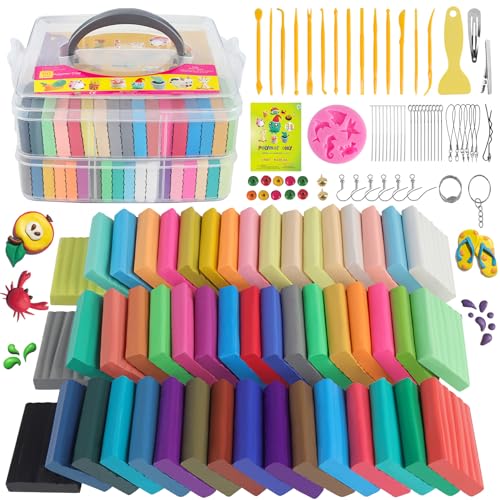
Practice coil-building, pinching, and joining techniques without needing a kiln—replicates studio ceramic lessons at home for muscle memory between paid sessions
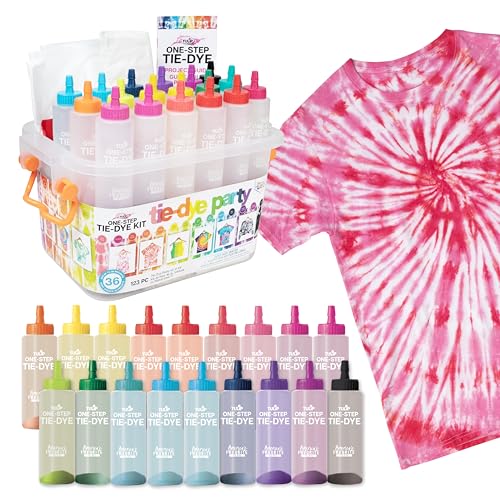
Lets you experiment with kitchen-waste dyes (onion skins, avocado) at home without guessing ratios or mordanting—builds on workshop knowledge with safe, pre-measured materials
As an Amazon Associate I earn from qualifying purchases. Prices may change.
Safety Tips
- The KAKURI Kiridashi knife blade is hand-forged from Japanese carbon steel with a laminated structure (cutting edge + soft iron layer) that prevents breakage but requires proper storage to avoid rust—wipe clean and dry after each use and apply a light coat of oil if storing long-term.
- When using the Speedball linoleum cutters, always carve away from your body and keep your non-cutting hand behind the blade path. The removable handle end provides convenient storage for the sharp cutter tips between uses, preventing accidental cuts when reaching into toolboxes.
Step-by-Step Guide
Map your city's craft learning spaces
Call local maker spaces, community art centers, and craft studios—many run monthly beginner workshops not listed online. Ask about single-session intro classes and open studio hours where you can practice after lessons. Target places with working artisans who teach, not just career instructors.
💡 Pro Tips:
- • Studios with open hours let you practice between paid classes without buying full tool kits
- • Ask if the instructor sells their own work—they'll teach real shortcuts, not just theory
Start with block printing basics
Book a 2-3 hour intro session to learn carving linoleum or wood blocks, registration for multi-color prints, and ink application. Bring simple sketches (3-4 inches square) and wear stainable clothes. A Speedball 4131 set with five cutter sizes works for home practice on linoleum and Speedy Carve materials.
💡 Pro Tips:
- • Geometric patterns are easier first carvings than organic shapes—clean lines hide beginner mistakes
Build pottery with your hands
Schedule a hand-building session to learn pinch pots, coil construction, and slab work—skip wheel throwing for now, it takes more sessions to get functional results. Expect wet clay under your nails and cracked pieces; studios fire and glaze for extra fees. Practice between classes with oven-bake polymer clay that needs no kiln.
💡 Pro Tips:
- • Uneven walls and cracks are normal—clay dries unevenly and shrinks, that's material behavior
Extract color from plants and minerals
Book a natural dyeing workshop focused on fiber-reactive techniques using onion skins, avocado pits, or indigo. Learn mordanting fabric, temperature control, and color layering. Bring pre-washed cotton or linen items; the instructor provides dye materials. For home experiments, the Tulip One-Step kit's 18 prefilled bottles eliminate pre-soaking fabric in soda ash.
💡 Pro Tips:
- • Natural dyes fade and shift with light—that's part of their character, not a defect
Learn hand-tool woodworking fundamentals
Take a basics class covering Japanese pull saws, chiseling mortises, reading wood grain, and simple joinery like dowels or half-laps. Make a functional object like a serving board. Studios provide tools and lumber; wear closed-toe shoes. A KAKURI 18mm Kiridashi knife helps with home marking and scribing practice.
💡 Pro Tips:
- • Pull saws cut on the pull stroke, not the push—less effort, cleaner cuts than Western saws
Pick one craft and show up consistently
After sampling all four families, choose one skill to continue. Book open studio time ($10-25 per session) or build a minimal home setup. Join the studio community—experienced makers share tools and unofficial tips during open hours. Craft skills live in repetition, not bursts of inspiration.
💡 Pro Tips:
- • Practice home setups between paid sessions: carve erasers, hand-build with polymer clay, dye scrap fabric, mark wood with pencil and square
- • Document your failures—understanding why clay cracks or dye blotches teaches material behavior faster than perfect results
Gear Up for Your Quest
The gear that makes this quest work.
Pull it off

Speedball Linoleum Cutter Set
For practicing block printing at home between studio sessions—different blade shapes let you experiment with line weights and textures on cheap materials like craft foam or erasers
+ complete the kit — 3 more

Polymer Clay Sample Pack
RecommendedPractice coil-building, pinching, and joining techniques without needing a kiln—replicates studio ceramic lessons at home for muscle memory between paid sessions
Oven-bake clay in multiple colors for practicing hand-building techniques at home
Get on Amazon · $19.99 — Polymer Clay Sample Packdetails & deals →
Natural Dye Extraction Kit
OptionalLets you experiment with kitchen-waste dyes (onion skins, avocado) at home without guessing ratios or mordanting—builds on workshop knowledge with safe, pre-measured materials
Includes alum mordant, soda ash, extraction bags, pH strips, and instructions for plant-based dyeing
Get on Amazon · $25.99 — Natural Dye Extraction Kitdetails & deals →
Cuts cleaner layout lines than pencils for practice joinery at home—makes a huge difference when you're learning to read grain direction and mark mortises accurately
Single-bevel precision marking blade for woodworking layouts and joinery
Get on Amazon · $25.80 — Japanese Marking Knife (Kogatana)details & deals →RELATED GEAR GUIDE
10 Urban Sketching Supplies Worth Carrying in 2026
Field-tested picks · Creative Arts
As an Amazon Associate, IRL Sidequests earns from qualifying purchases at no extra cost to you.
Prices and availability are subject to change. The price shown at checkout on Amazon at the time of purchase will apply.
Editor's Picks
Hand-selected quests our team thinks you'll love

Dawn Patrol: Your First Bird Watching Adventure
Wake up with the birds and see your neighborhood through new eyes.

Creative Skills Quest Hub: Learn By Doing
The best way to learn creative skills? Make bad art until it gets good.

Hand-Built Ceramic Bowl Workshop
Your hands built the first bowls 20,000 years ago. They still can.
Not this one?
Get a different side quest in 30 seconds
Tell the generator how much time you have, who you're with, and your mood — it picks from 500+ quests like this one.
Try the real life side quest generator