
Master the Art of Japanese Bookbinding
Turn scrap paper and thread into bound books that would make Edo-period artisans nod in approval.
About This Quest
Learn traditional Japanese stab binding techniques to create handmade journals and sketchbooks using simple tools and authentic methods.
Japanese stab binding—or itajime-toji—has survived five centuries because it works. No glue, no machines, just thread woven through holes in a pattern that flexes when you open the book and locks tight when closed. The rhythm of the awl punching through paper, the resistance of waxed thread as you pull it taut, the satisfying click when your needle finds the next hole—these aren't just steps in a craft tutorial. They're the same movements bookbinders performed in Kyoto workshops while binding Buddhist sutras. You'll start with the four-hole pattern, the foundation that supports everything from pocket notebooks to art portfolios. Your first book won't be perfect. The holes might wander slightly, the thread tension might vary. That's the point. Each imperfection teaches you what the next stitch needs. By your third book, your hands will know the spacing without measuring. The thread will flow in one continuous motion, and you'll understand why this method has outlasted countless "easier" alternatives. This isn't about making cute crafts for your shelf. Once you've bound your own journals, buying mass-produced notebooks feels wrong. You'll notice how commercial bindings crack after a month, how pages tear out because they're just glued in. Your stab-bound books open flat on any page, hold up to daily abuse, and improve with age as the paper develops that worn softness. Plus, you can bind anything—old maps, printed photos, sheet music, pages salvaged from damaged books. It's practical magic that costs almost nothing.
Why This Quest Matters
By your third book, your hands will know the spacing without measuring, and you'll understand why this five-century-old method has outlasted countless "easier" alternatives. Once you've bound your own journals, buying mass-produced notebooks feels wrong—your stab-bound books open flat on any page, hold up to daily abuse, and improve with age. You can bind anything: old maps, printed photos, sheet music, pages salvaged from damaged books.
What You'll Experience
- The four-hole stab binding pattern used in Edo-period Japan
- How to judge thread tension by feel rather than measurement
- Why commercial bindings fail and handmade ones last decades
- The practical skill to bind any loose papers into usable books
- What proper book construction feels like in your hands
What You'll Need
Top gear to make this quest great.
Pull it off
Bookbinding Awl with Protective Cork
Creates precise, clean holes that prevent paper tearing and ensure thread passes smoothly—dull tools shred the paper and ruin the binding before you start
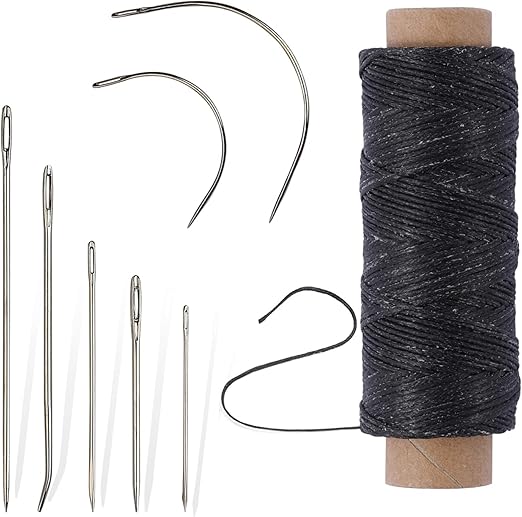
Wax coating prevents fraying, adds strength, and allows thread to glide through holes without catching—unwaxed thread tangles and weakens with friction
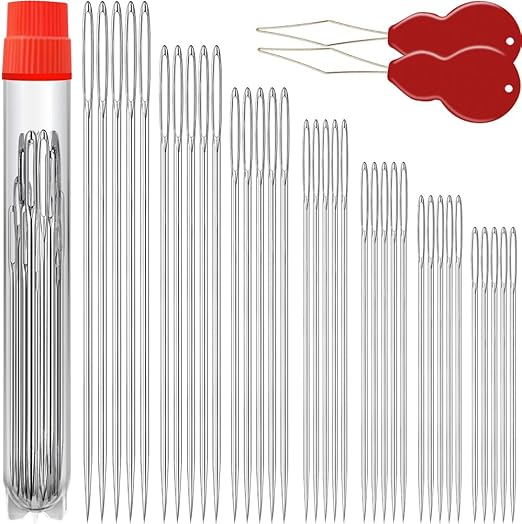
Large eye accommodates thick waxed thread, blunt tip prevents accidentally piercing pages or your fingers during tight stitching
As an Amazon Associate I earn from qualifying purchases. Prices may change.
Step-by-Step Guide
Cut and stack your pages
Gather 20-30 sheets of paper and cut them to A5 size (5.8" x 8.3"). Stack them evenly with two pieces of heavier cardstock as covers. Mark your binding edge 0.5" from the left, then measure four holes along this line: 0.75" from top and bottom, with two evenly spaced between.
💡 Pro Tips:
- • Thicker stock like watercolor paper creates a more substantial book than standard printer paper
- • Precise spacing matters more than you think—use a ruler for hole placement
Punch through all layers
Clamp your stack firmly with binder clips or a vice, spine edge facing up. Place a cutting mat underneath. Using an awl or drill, punch straight down through all layers at each marked point. Go slow and let the tool do the work rather than forcing it.
💡 Pro Tips:
- • A scrap of cardboard underneath prevents your awl from hitting the table
Thread the four-hole pattern
Cut thread to 4x the height of your book. Starting from the back at hole 2, leave a 3" tail. Follow the traditional pattern: up to hole 1, over the top edge and back down through hole 1, exit the back, then work down through holes 3 and 4. Reverse back up to create a figure-eight on the front and ladder effect on the back.
💡 Pro Tips:
- • Keep consistent tension—tight enough to hold firmly but not so tight that pages buckle
- • Don't knot your thread end at the start; you'll need it to tie off later
Tie off and set the binding
When you return to hole 2, use a square knot to join your working thread with the original tail. Trim ends to 0.5" and seal with clear nail polish or beeswax. Press the finished book under heavy weight for 2 hours to set the binding.
💡 Pro Tips:
- • The book should open completely flat to any page—if thread feels loose anywhere, tighten before sealing
Gear Up for Your Quest
The gear that makes this quest work.
Pull it off

Bookbinding Awl with Protective Cork
Creates precise, clean holes that prevent paper tearing and ensure thread passes smoothly—dull tools shred the paper and ruin the binding before you start
+ complete the kit — 4 more

Wax coating prevents fraying, adds strength, and allows thread to glide through holes without catching—unwaxed thread tangles and weakens with friction
Pre-waxed bookbinding thread in traditional colors
Get on Amazon · $5.98 — Waxed Linen Thread (25-yard spool)details & deals →
Large eye accommodates thick waxed thread, blunt tip prevents accidentally piercing pages or your fingers during tight stitching
Blunt-tip needles with large eyes designed specifically for bookbinding
Get on Amazon · $3.99 — Japanese Bookbinding Needles (Set of 3)details & deals →
Self-Healing Cutting Mat (A3 size)
RecommendedProtects your table from awl punctures, provides alignment grid for marking holes, and ensures consistent spacing across multiple projects
Professional cutting surface with measurement grid
Get on Amazon · $8.99 — Self-Healing Cutting Mat (A3 size)details & deals →
Bone Folder Tool
OptionalScores crisp folds in cover material and burnishes the spine for a professional finish—fingers leave oils that yellow paper over time
Smooth bone or plastic tool for creasing and burnishing
Get on Amazon · $22.96 — Bone Folder Tooldetails & deals →RELATED GEAR GUIDE
Journaling & Habit Kit: 10 Picks That Build the Habit
Field-tested picks · Personal Growth
As an Amazon Associate, IRL Sidequests earns from qualifying purchases at no extra cost to you.
Prices and availability are subject to change. The price shown at checkout on Amazon at the time of purchase will apply.
Editor's Picks
Hand-selected quests our team thinks you'll love

Random Side Quest Generator: Complete Guide to Spontaneous Adventures
Turn decision paralysis into roll-the-dice action.

Desk Reset Rituals for Screen Workers
Your screen blur isn't age—it's ritual deficit.

Build Your Domestic Confidence Toolkit
The difference between panicking when something breaks and calmly handling it yourself.