One person's trash is your treasure—and the planet's gain.
Discover the art of ethical waste recovery by legally rescuing perfectly good items from commercial dumpsters, reducing waste while finding hidden treasures.
Dumpster diving, when done safely and legally, is a powerful form of urban foraging that combats waste while uncovering surprising finds. Every year, businesses discard millions of dollars worth of perfectly usable items—from sealed food products to furniture, electronics, and clothing. This quest teaches you how to ethically recover these items while respecting property laws, personal safety, and community standards. You'll learn to identify the best locations, understand local regulations, and develop an eye for valuable rescues. This isn't just about finding free stuff—it's about participating in the circular economy and witnessing firsthand the shocking reality of consumer waste. Many successful small businesses, artists, and sustainability advocates started by rescuing discarded materials. You'll need to research local laws, scout appropriate locations, use proper safety equipment, and practice good etiquette. The result? You'll reduce landfill waste, save money, and possibly discover items that spark new projects or passions.
You'll witness the staggering waste of consumer culture up close—sealed products, functional electronics, and quality goods tossed simply because they didn't sell fast enough. Every rescue keeps something out of the landfill while saving you money, and you might discover materials that spark an unexpected project, side hustle, or creative direction. Many successful makers, artists, and sustainability advocates trace their start to items pulled from the waste stream.
Top gear to make this quest great.
View all 5 suppliesAs an Amazon Associate I earn from qualifying purchases. Prices may change.
Research local ordinances on dumpster diving—some cities explicitly allow it, others prohibit it or require property owner permission. Identify legal diving zones: public access dumpsters without 'No Trespassing' signs, or call businesses directly to ask permission. Scout locations during daylight first to assess safety and potential.
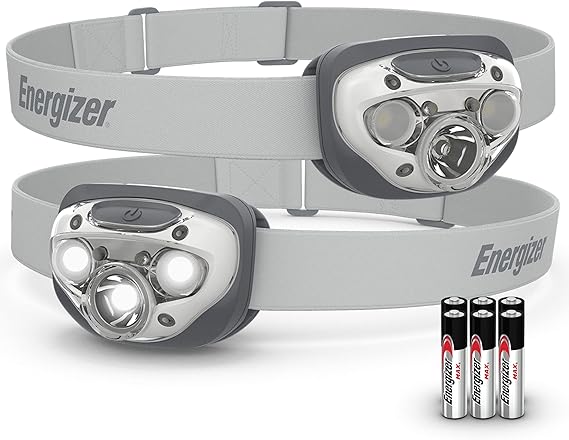
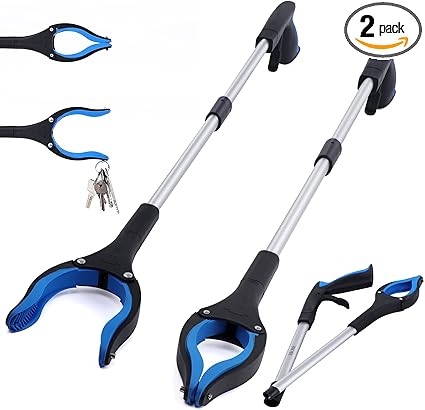
Pack heavy-duty gloves, a headlamp or flashlight, a grabber tool, hand sanitizer, first aid supplies, and closed-toe boots. These aren't optional—broken glass, sharp metal, and mystery liquids are real hazards you'll encounter.
Hit locations in the evening after closing time or early morning before trash pickup—never during peak business hours. Approach the dumpster safely, using your grabber tool or reaching from the edge. Follow the 'leave it better' rule: reclose bags you open and don't scatter trash.
Check items carefully for damage, expiration dates, recalls, or safety issues before taking them home. Be realistic—not every find is worth hauling back. Focus on sealed food, functional electronics, quality furniture, or materials that spark a project idea.
Wash all clothing, disinfect hard goods, and evaluate food items with extra scrutiny before using them. Document your finds and calculate the retail value saved and waste diverted. Consider donating excess to shelters or community organizations.
Get everything you need to make this quest amazing.


RELATED GEAR GUIDE
Journaling & Habit Kit: 10 Picks That Build the Habit
Field-tested picks · Personal Growth
As an Amazon Associate, IRL Sidequests earns from qualifying purchases at no extra cost to you.
Prices and availability are subject to change. The price shown at checkout on Amazon at the time of purchase will apply.
Hand-selected quests our team thinks you'll love

Turn decision paralysis into roll-the-dice action.

The difference between panicking when something breaks and calmly handling it yourself.

Your life stats are stagnant—time to grind IRL and unlock new abilities.