Explore hands-on sustainability demonstrations, regenerative systems, and eco-tech at your local green living hub to upgrade your urban environmental impact.
Most sustainability centers pack more practical knowledge into one afternoon than a month of Instagram infographics. These facilities showcase working systems—vertical gardens pumping out actual produce, composting setups breaking down last week's coffee grounds, solar arrays feeding real electricity into the grid. You'll see the gap between theory and practice: what actually works in urban apartments versus what sounds good on paper.
The staff here aren't selling anything. They're testing systems, tracking data, and solving problems like "how do you compost in a studio apartment without attracting rats" or "what's the real payback period on balcony solar panels." Expect demo stations where you touch soil amendments, smell different compost stages, and calculate your actual energy footprint with real numbers. Many centers run by city sustainability offices or environmental nonprofits offer free workshops on weekends.
The value isn't just in what you learn—it's in what you'll actually implement. Leave with a realistic action plan: maybe it's switching to a worm composting bin, installing a greywater system for your houseplants, or joining a tool library to cut down on redundant purchases. The best part? Most upgrades pay for themselves within two years, and the knowledge transfers to any city you move to.
Why This Quest Matters
You'll walk out knowing exactly which sustainability upgrades actually work in your space, with real numbers on payback periods and failure points. This isn't theory—you're touching working systems, smelling compost at different stages, and getting answers from people who've already solved the problems you're about to encounter. Most upgrades pay for themselves within two years, and the knowledge transfers to any city you move to.
What You'll Experience
Which composting system works in your actual living space without attracting pests
Real payback periods for solar panels, greywater systems, and energy upgrades in your city
How to retrofit your existing apartment or house without major renovations
Which crops actually produce enough in containers to justify growing them
Where to borrow tools and access repair resources instead of buying everything new
What You'll Need
Top gear to make this quest great.
Pull it off
Digital Moisture & pH Soil Meter
Lets you test demonstration garden soils on-site and compare readings to your home plants. Understanding optimal ranges helps diagnose why your urban garden struggles while theirs thrives. Most centers encourage testing their beds.
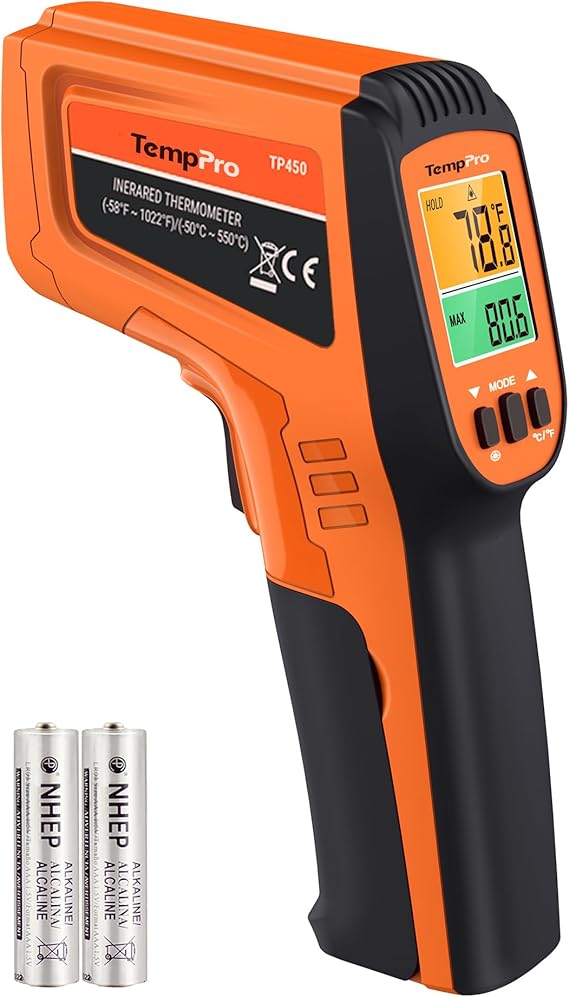
Measure temperature differentials on insulation demos, solar panel surfaces, compost pile heat zones, and passive heating/cooling features. Reveals invisible heat loss in building envelope demonstrations that translate directly to your living space efficiency.
As an Amazon Associate I earn from qualifying purchases. Prices may change.
Step-by-Step Guide
1
Find and scout your local center
Search your city's environmental services website or university extension programs for sustainability demonstration sites. Call ahead to align your visit with workshops or guided tours—you'll get direct access to the people who actually run these systems daily.
💡 Pro Tips:
• Search '[your city] eco living center' or 'sustainability demonstration site' to find options
• Weekend workshops are often free and include hands-on demonstrations
2
Compare composting systems in action
Start at the composting section where you can see hot compost, worm bins, and bokashi systems side-by-side. Photograph the layering ratios and bin designs that actually fit in urban apartments. Ask staff about troubleshooting smell, pests, and speed—they've solved these problems dozens of times.
💡 Pro Tips:
• Focus on systems that match your space constraints: balcony, kitchen counter, or shared outdoor area
3
Test energy and water systems
Examine solar cooking devices, battery storage setups, and actual utility bills showing real savings from grid-tied solar. Move to water demonstrations: rainwater catchment, greywater recycling, and DIY retrofits that don't require major plumbing work. Ask about local incentives and which systems pencil out for renters versus homeowners.
💡 Pro Tips:
• Calculate your potential water savings based on your household size using their worksheets
• Staff know which permit requirements are actually enforced in your area
4
Explore the sharing economy stations
Visit the tool library or materials share to see why owning a drill you use twice a year makes no sense. Note membership costs and what's actually available to borrow. Check out any repair cafes or fix-it clinics running during your visit—they demonstrate how to extend the life of what you already own.
5
Study the urban agriculture setups
Spend time with container crops, vertical growing systems, and chemical-free pest management in action. Grab plant lists specific to your climate zone and note which crops actually produce enough to justify the space they take up.
💡 Pro Tips:
• Take photos of vertical systems that maximize yield in small spaces
6
Get your personalized action plan
Sit with a staff member for a 15-minute consultation before you leave. Bring your utility bills or photos of your space and ask: 'What's the single highest-impact change I can make this month?' Document everything—photograph system schematics, product labels, and resource lists. Collect workshop schedules and follow-up contact info.
💡 Pro Tips:
• Get specific product recommendations and local suppliers, not just general advice
• Many centers offer ongoing support after your first visit
Lets you test demonstration garden soils on-site and compare readings to your home plants. Understanding optimal ranges helps diagnose why your urban garden struggles while theirs thrives. Most centers encourage testing their beds.
Download before visiting so you can input your baseline energy/water data during consultation sessions. Staff can show you exactly where you're bleeding money and which interventions address your specific usage spikes.
Apps like Sense Home Energy Monitor, Arcadia, or your utility's mobile platform that tracks usage patterns
Compare light levels in demonstration growing areas to your apartment's available light. Takes the guesswork out of "bright indirect light" descriptions. Shows you if your north-facing window can actually support that herb garden.
Free smartphone apps like Lux Light Meter Pro or Light Meter that measure light intensity in foot-candles or lux
Measure temperature differentials on insulation demos, solar panel surfaces, compost pile heat zones, and passive heating/cooling features. Reveals invisible heat loss in building envelope demonstrations that translate directly to your living space efficiency.
Non-contact temperature gun that reads surface temperatures instantly
Architecture Scavenger Hunt: Decode Your City's Hidden Design Language
That building you pass every day? It's been screaming details at you that you've never noticed.
Hunt for architectural details hiding in plain sight—corbels, keystones, terra cotta faces, and century-old brickwork patterns that tell your city's real story.
Stop winging it in abandoned spaces—learn the difference between exploring safely and just getting lucky.
Learn essential urban exploration safety protocols, risk assessment, and technical skills from experienced urbex practitioners. Hands-on training for abandoned building navigation.
The best food in your city isn't on Yelp's front page—it's where rent is cheap and menus aren't in English.
Navigate your city's authentic food scene through ethnic markets, street vendors, craft breweries, and neighborhood joints that locals actually frequent.