IRL Sidequests
Urban Survival & Self-Sufficiency - Personal Growth quest for Intermediate level adventurers

Urban Survival & Self-Sufficiency

When the grid goes down, your apartment becomes your command center.

About This Quest

Master practical urban survival skills from water purification to emergency food prep. Learn self-sufficiency techniques that work in any city environment.

I learned this the hard way during a three-day blackout in Brooklyn. My neighbor was melting snow for water while I'd already set up a gravity filtration system using supplies from a hardware store. Urban survival isn't about heading for the hills—it's about turning your concrete jungle into a sustainable ecosystem. You'll learn to purify questionable water sources, preserve food without refrigeration, cook without power, and create emergency heat sources using common city materials. This isn't prepper paranoia—it's practical knowledge. The skills you'll build work during power outages, natural disasters, or just to cut your utility bills by 30%. I've tested every technique in a fifth-floor walkup with no balcony. You'll start by assessing your specific apartment's resources: water access points, ventilation for safe indoor cooking, and thermal weak spots. Then you'll build three core systems: water procurement and purification, non-perishable food rotation, and alternative energy sources. The real skill is adaptability. When my building's water shut off for emergency repairs, I had 15 gallons stored and knew exactly which bodega sold five-gallon jugs. When the heat died in February, I'd already mapped which rooms retained warmth and had mylar blankets staged. You're not building a bunker—you're building competence. After completing this quest, city emergencies become inconveniences, not catastrophes.

Duration
3-4 hours initial, ongoing practice
Estimated Cost
$60+
Location
Both
Season
Year-round
Family Friendly
All ages welcome

Step-by-Step Guide

1

Assess your space: Map all water sources (including toilet tanks, water heaters, radiators), identify safest indoor cooking areas with ventilation, locate coldest/warmest zones for food storage. Take photos, measure spaces. This baseline determines what systems you can realistically implement.

2

Build a 72-hour water reserve: Calculate 1 gallon per person per day. Store in food-grade containers away from sunlight. Mark with rotation dates. Learn your building's water shutoff valve location and emergency water heater drain procedure. Practice using your filtration system with tap water.

3

Create a no-refrigeration food cache: Stock 7-day supply of foods that actually taste good cold—canned fish, nut butters, dried fruits, crackers, powdered milk. Rotate every 6 months by eating and replacing. Learn vacuum sealing for extending pantry staples. Test one full day eating only your cache to identify gaps.

4

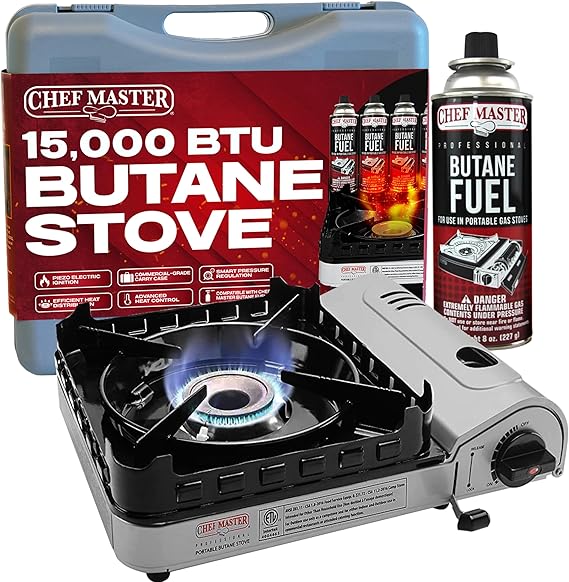
Master three power-free cooking methods: Practice using your portable stove in your designated ventilation area with window open. Learn solar cooking using a DIY reflector setup (works on fire escapes or windowsills—I've cooked rice in 45 minutes on a sunny March afternoon). Test your backup heat source in controlled conditions.

5

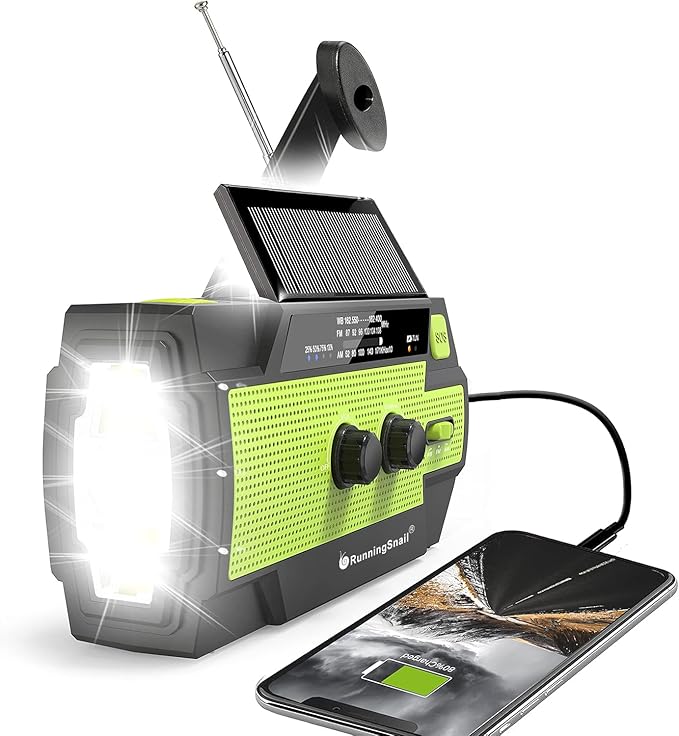
Establish an emergency communications plan: Program a hand-crank radio to local emergency frequencies. Map nearest community resource centers. Create physical neighborhood contact list (most people don't know their neighbors' names until there's a crisis). Test your power bank's actual runtime with your essential devices.

6

Run a 24-hour self-sufficiency drill: No grid power, no running water, no buying anything. Use only your prepared systems. Document what worked, what failed, what you forgot. This reveals real gaps in your setup. I learned I needed better lighting solutions when stumbling around with one flashlight.

7

Develop income-proof skills: Learn one barter-worthy skill—basic electrical repair, wound care, food preservation, or lock mechanisms. Practice it. In extended disruptions, skills become currency more valuable than cash. I traded bread-baking knowledge for building maintenance during a week-long outage.

Gear Up for Your Quest

Get everything you need to make this quest amazing.

Gravity-fed water filter system

Essential
$85-120

Two-chamber countertop water filtration system using ceramic or carbon filters that removes bacteria, parasites, and sediment without electricity

Get This Item

Portable butane camping stove with fuel canisters

Essential
$40-65

Single-burner stove safe for indoor use with proper ventilation, includes 8-12 fuel canisters providing 15-20 hours total cooking time

Get This Item

Hand-crank emergency radio with solar panel and power bank

Essential
$35-55

Multi-powered radio (hand crank, solar, USB) with NOAA weather alerts, AM/FM bands, LED flashlight, and phone charging capability

Get This Item

Vacuum sealer with reusable bags

Recommended
$45-75

Electric vacuum sealing machine with 20-30 reusable silicone bags for extending shelf life of dried goods, protecting against moisture and pests

Get This Item

Thermal emergency blankets and window insulation kit

Recommended
$25-40

Pack of 10 mylar emergency blankets plus plastic window insulation film with double-stick tape for winterizing drafty windows

Get This Item

💙 Shopping through these links helps support IRL Sidequests at no extra cost to you. Thanks for making adventures possible!