Master practical urban survival skills from apartment composting to basic repairs. Build real-world competence in food production, maintenance, and self-reliance.
Self-sufficiency isn't about disappearing into the woods. It's about looking at your leaky faucet and knowing you can fix it yourself. It's harvesting dinner from your fire escape. It's patching your jeans instead of tossing them. These aren't prepper fantasies—they're practical skills that save money, reduce waste, and give you the kind of confidence that comes from actually knowing how things work.
Start with what breaks or runs out in your life. That dripping sink? Twenty minutes with a wrench and a five-dollar washer. Those herbs you buy weekly? Grow them in a south-facing window for pennies. The jacket zipper that won't stay up? Fifteen-minute fix with pliers and a YouTube tutorial. Each skill builds on itself—once you know how to use basic tools, suddenly half the stuff you'd call someone for becomes a Saturday morning task.
The real shift happens when you stop seeing yourself as a consumer who needs experts for everything. You're not going off-grid, but you're also not helpless when the delivery app crashes or the handyman's booked for three weeks. You've got dirt under your nails, a working knowledge of how your apartment actually functions, and a growing collection of skills that compound over time.
Why This Quest Matters
The shift isn't about going off-grid—it's about looking at broken things and knowing you can handle them. You stop being a consumer waiting for experts and start being someone with dirt under your nails and a working knowledge of how your space actually functions. Each skill compounds: basic tool use unlocks dozens of repairs, one thriving herb plant leads to a whole windowsill garden, and suddenly you're saving real money while throwing away less.
What You'll Experience
How to diagnose and fix common household repairs without calling maintenance
Which herbs and foods actually grow in your specific light conditions
A minimal tool collection that handles 80% of apartment fixes
How to compost food scraps in small spaces without smell or mess
Basic sewing repairs that extend the life of clothing
What You'll Need
Top gear to make this quest great.
Pull it off
Multi-Bit Ratcheting Screwdriver Set
Eliminates fumbling with multiple tools during repairs. The ratcheting action speeds up work in tight spaces like behind toilets or inside cabinets where you can't make full rotations. Magnetic tip prevents dropping screws into unreachable spots.
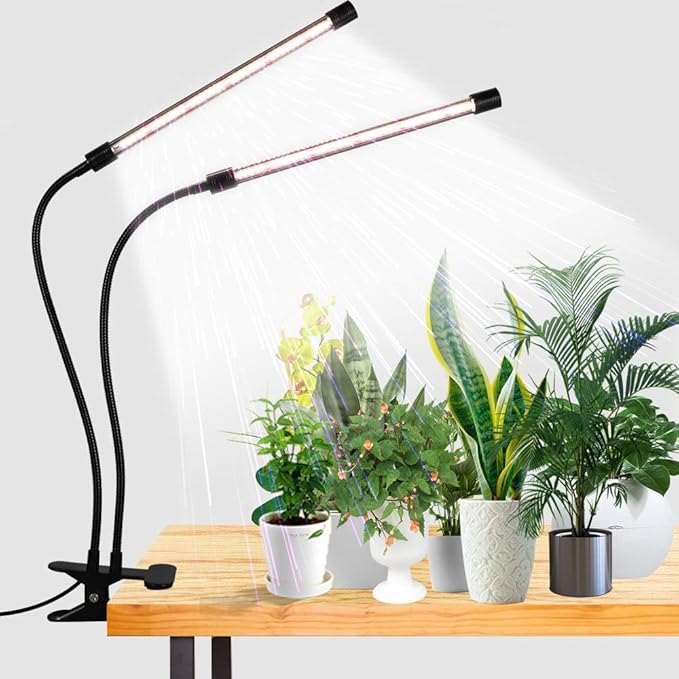
Transforms any space into viable growing area, not just south-facing windows. Extends your growing season through winter and allows you to grow varieties that need more light than your apartment provides. Pays for itself after growing $20 worth of basil.
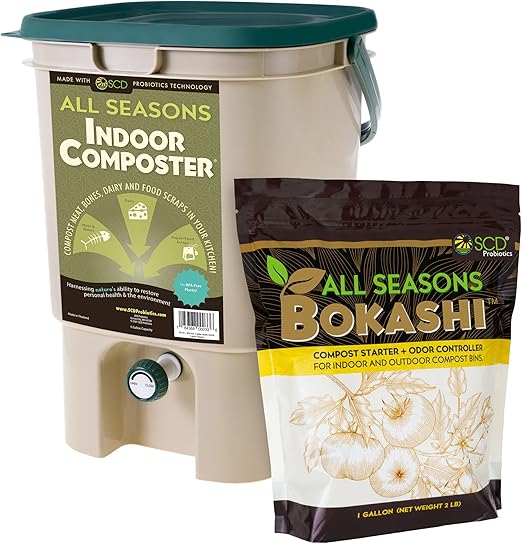
Lets you compost meat, dairy, and cooked food without smell or fruit flies—things traditional composting can't handle in apartments. Produces usable compost in 2 weeks instead of months. The liquid runoff works as plant fertilizer.
As an Amazon Associate I earn from qualifying purchases. Prices may change.
Step-by-Step Guide
1
Choose your first skill cluster
Pick one area that's costing you money or causing recurring frustration: repairs for things that keep breaking, windowsill herbs to replace grocery store bundles, composting if you're throwing away food scraps daily. Match the skill to an actual problem in your life right now.
💡 Pro Tips:
• Start with whatever breaks or runs out most often—that's where you'll see results fastest
• One skill cluster at a time; you're building competence, not collecting hobbies
2
Set up your learning resources
Subscribe to 2-3 targeted channels or forums for your chosen skill: 'Dad, How Do I?' for repairs, r/UrbanHomestead for growing food, 'Professor Pincushion' for sewing fixes. Bookmark repair manuals for items you actually own. You need specific guidance, not vague DIY inspiration.
💡 Pro Tips:
• Save tutorials for your exact model/problem so you're not hunting mid-repair
3
Execute your first repair or project
Identify something broken in your space—leaky faucet, loose door handle, broken zipper. Watch three tutorials on that specific problem. Buy only the tools and parts needed for this one fix. Set aside two hours, lay down a towel, turn off water or power if needed, take before photos, and work through it slowly. The first attempt takes three times longer than it will next time.
💡 Pro Tips:
• If you hit a wall, pause and research that exact step—don't muscle through
• No giant tool kits yet; buy what this specific repair requires
4
Start growing something edible
Plant the easiest wins: basil, cilantro, and mint in a south-facing window, or sprouts in a mason jar. Use grocery store containers as starter pots. Water when the soil's dry an inch down. Pay attention to what thrives in your actual light, not what looks good online.
💡 Pro Tips:
• Herbs you buy every week are the best ROI—basil and cilantro pay for themselves in a month
5
Build your practice systems
As you complete repairs or harvest your first herbs, start composting food scraps in a countertop bin or bokashi bucket (balance greens with shredded cardboard). Keep a visible sewing kit and fix things immediately instead of piling them up. Document what worked in a simple log with before/after photos—this becomes your reference manual.
💡 Pro Tips:
• Compost smell is a non-issue if you cover scraps with browns immediately
• Store tools where you'll actually grab them, not buried in a closet
6
Teach someone what you've learned
Once you've fixed something or grown anything edible, show a friend or neighbor how you did it. Teaching cements the skill in your brain and spreads competence. You might gain a repair buddy who returns the favor when you tackle something new.
Eliminates fumbling with multiple tools during repairs. The ratcheting action speeds up work in tight spaces like behind toilets or inside cabinets where you can't make full rotations. Magnetic tip prevents dropping screws into unreachable spots.
Transforms any space into viable growing area, not just south-facing windows. Extends your growing season through winter and allows you to grow varieties that need more light than your apartment provides. Pays for itself after growing $20 worth of basil.
Full-spectrum LED light that clips onto shelves or windowsills
Lets you compost meat, dairy, and cooked food without smell or fruit flies—things traditional composting can't handle in apartments. Produces usable compost in 2 weeks instead of months. The liquid runoff works as plant fertilizer.
Sealed bucket system with bran inoculant for anaerobic composting
Opens you up to fixing electronics, not just household items. Repair your own phone screen, clean laptop fans, replace remote batteries. Includes specialized bits for security screws that keep you locked out of your own devices. One phone screen repair pays for the kit.
64-piece precision repair kit for electronics and small appliances
Random Side Quest Generator: Complete Guide to Spontaneous Adventures
Let the dice argue. You just have to go.
Grab a friend, a handful of dice and a stack of pocket cards, then let the roll decide what you do next. You write the options, the dice pick one, and you go. Each outing takes 15 to 30 minutes, and arguing with the dice is not allowed.
Your life stats are stagnant—time to grind IRL and unlock new abilities.
Transform gaming mechanics into real-world quests with achievement tracking, skill trees, and XP systems that make personal development feel like your favorite RPG.
Turns out you're excellent company. Let's prove it.
Ever talked yourself out of a movie, a meal or a trip because nobody was free? Over three or four weeks, you'll work through six easy solo missions, from a twenty-minute bench sit to a day trip in a town you've never seen, and find out how good your own company is.
10 hours total (split into 20-minute to 2-hour sessions over 3-4 weeks)SoloGear from $6