Stop wandering aimlessly through city life—build actual competence with structured practice.
Build practical city competencies through deliberate practice—from navigation and social intelligence to emergency response and resource optimization.
Most people drift through cities on autopilot—same routes, same routines, same comfort zones. This roadmap breaks that pattern with structured skill-building across four quarters: spatial intelligence, social competence, practical resilience, and resource mastery. Each week introduces specific challenges that compound into legitimate urban capabilities. You'll train your directional sense by navigating without GPS, develop social fluency through calculated interactions with strangers, build emergency response skills that actually matter when systems fail, and learn to extract value from urban infrastructure most people ignore. The progression is deliberate—early weeks establish baseline competencies, middle weeks push you into discomfort zones, final weeks integrate skills into complex scenarios. This isn't about becoming a 'survival expert' or 'urban ninja.' It's about moving through cities with the confidence that comes from tested abilities. After 12 weeks, you'll notice details others miss, navigate complexity without anxiety, and handle disruptions that would paralyze most people. The city becomes less overwhelming and more navigable when you've systematically built the skills to engage with it.
Top gear to make this quest great.
Essential for documenting routes, sketching mental maps, and recording observations in any weather. The grid format helps with spatial accuracy when mapping neighborhoods.
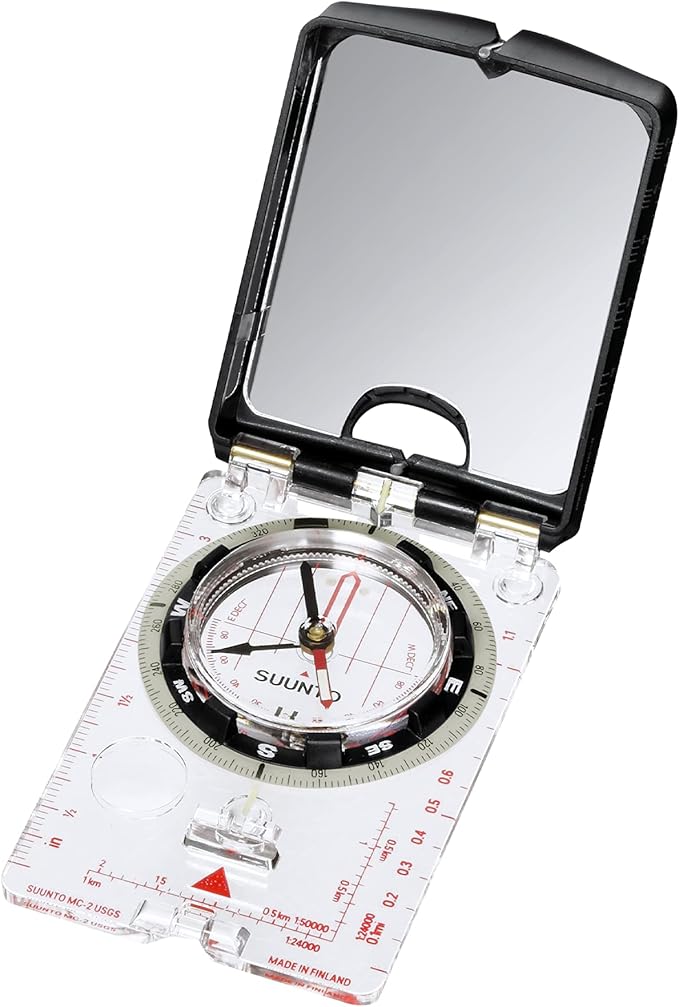
Forces you to develop genuine directional awareness rather than relying on GPS arrow-following. The declination adjustment teaches you about magnetic variation—important for real navigation competency.
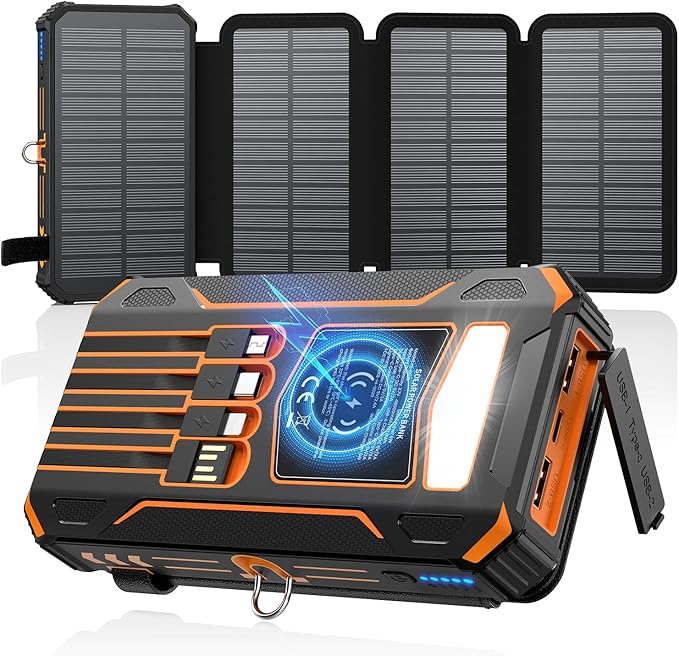
Provides backup power during extended urban exploration sessions while teaching resource independence. The solar component adds a layer of sustainability practice to your skill development.
Shopping through these links supports IRL Sidequests at no extra cost to you.
Week 1-3: Spatial Intelligence Foundation—Navigate three different neighborhoods without GPS using only street signs and landmarks. Map your mental model afterward, noting where you got disoriented. Practice estimating distances by counting blocks, then verify with GPS. Learn to identify directional cues: sun position, street numbering patterns, drainage slopes that indicate topography.
Week 4-6: Social Calibration—Start conversations with 20 strangers in various contexts: coffee shops, bus stops, park benches, waiting rooms. Goal isn't friendship, it's reading social temperature and adjusting approach. Notice who's open versus closed off. Practice extracting local knowledge: best times to visit places, neighborhood quirks, unofficial shortcuts. Track which opening lines work in which settings.
Week 7-9: Resource Mapping—Identify and test alternative resources in your area. Find three free water sources, two 24-hour facilities, emergency phone charging locations, public restrooms that don't require purchase. Document free WiFi spots with power outlets. Locate community food resources, tool libraries, emergency shelter locations. Create a physical backup map of these assets.
Week 10-12: Integration Challenges—Complete three multi-skill scenarios. Navigate to an unfamiliar neighborhood, find a specific resource without digital tools, and conduct social research (ask locals about hidden spots). Plan a zero-cost day using only mapped resources. Simulate a 'phone dead' emergency: get home from 5 miles away using public knowledge and social interaction only.
Throughout Program: Document patterns you notice—which skills transfer between situations, where your instincts mislead you, what variables actually matter versus what you assumed. Review weekly to identify skill gaps before they compound.
Get everything you need to make this quest amazing.
Essential for documenting routes, sketching mental maps, and recording observations in any weather. The grid format helps with spatial accuracy when mapping neighborhoods.
Pocket-sized notebook with weatherproof pages and grid layout for mapping and note-taking
Get on Amazon · $12Forces you to develop genuine directional awareness rather than relying on GPS arrow-following. The declination adjustment teaches you about magnetic variation—important for real navigation competency.
Button compass with rotating bezel and declination adjustment for accurate directional work
Get on Amazon · $18Provides backup power during extended urban exploration sessions while teaching resource independence. The solar component adds a layer of sustainability practice to your skill development.
10,000mAh power bank with integrated solar charging panel
Get on Amazon · $35Training wheels for developing mental transit models. Forces you to visualize connections and plan routes spatially rather than letting apps do the thinking. Waterproof means it survives actual field use.
Weatherproof physical transit system map for your metropolitan area
Get on Amazon · $8Shopping through these links helps support IRL Sidequests at no extra cost to you.
Hand-selected quests our team thinks you'll love

Cozy, gooey, unforgettable nights.

Turn your kitchen into a mad scientist’s bar.

Sharpshooter bragging rights start here.