
Urban Skills Development Academy
Your high school never taught you how to negotiate rent or fix a leaky faucet—time to level up your adulting stats.
About This Quest
Build practical, real-world skills through hands-on urban challenges—from basic repair work to financial literacy and emergency preparedness.
Most people stumble through their twenties realizing they can't unclog a drain, read a lease agreement, or handle a minor medical emergency. This quest fixes that gap. You'll tackle twelve practical skill modules—each one a mini-challenge that builds confidence through action, not theory. Week one might have you negotiating a real discount at a flea market. Week three, you're patching drywall in your apartment. Week five, you're meal-prepping on a $40 budget. The structure is simple: pick a skill category, complete the challenge, document what you learned. Some challenges require minor investment (a basic tool kit runs about $30), but most cost nothing except time and willingness to look incompetent for twenty minutes. The goal isn't perfection—it's building that muscle memory so when your toilet overflows at 11 PM, you don't panic. This works best when you drag a friend along. Learning to jumpstart a car battery hits different when you're both fumbling with cables in a parking lot, laughing at your collective uselessness. By week eight, you'll have a working knowledge of skills that save you hundreds in service calls and make you the person people text when stuff breaks. That's worth more than any certification.
Why This Quest Matters
By week eight, you'll be the person people text when stuff breaks, and you'll save hundreds in service calls. More importantly, when your toilet overflows at 11 PM or your car won't start, you won't panic—you'll know exactly what to do. That self-reliance hits different than any certification ever will.
What You'll Experience
- How to fix running toilets, leaky faucets, and minor drywall damage
- Negotiation tactics that actually reduce your bills
- Emergency skills like the Heimlich maneuver and jumpstarting a car
- Meal prep on a $40 budget and laundry techniques that don't ruin clothes
- The confidence to attempt solutions before calling professionals
What You'll Need
Top gear to make this quest great.
Pull it off
Basic Home Repair Multi-Tool Kit
Covers 80% of basic household repairs without requiring a full toolbox. The adjustable wrench alone solves most plumbing challenges, and having the right screwdriver size prevents stripped screws during electrical or appliance work.
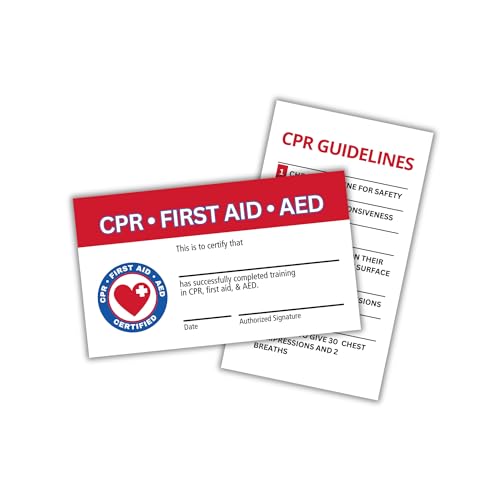
Hands-on practice with a certified instructor beats YouTube videos for emergency skills. You get corrected in real-time, practice on actual mannequins, and receive certification that's useful for job applications and volunteering.
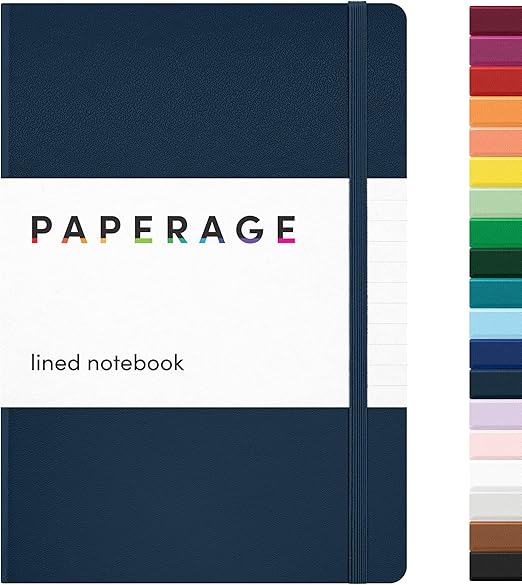
Generic notebooks work, but this has pre-built frameworks for documenting what you learned, rating difficulty, and noting resources. The photo pockets let you tape in before/after pictures without needing digital storage.
As an Amazon Associate I earn from qualifying purchases. Prices may change.
Step-by-Step Guide
Pick your first skill category
Choose one module from Home Maintenance (plumbing, electrical, drywall), Financial Literacy (budgeting, negotiation, contracts), Emergency Preparedness (first aid, car basics), or Practical Living (meal prep, laundry). Start your skills journal—digital or paper—to document what you attempt, what fails, and what you'd do differently next time.
💡 Pro Tips:
- • Your journal becomes your personal reference manual when things break at midnight
- • Start with whatever scares you least—confidence builds momentum
Complete your first real challenge
Fix a running toilet by replacing the flapper valve, or negotiate $10 off your internet bill. Film or photograph your attempt—especially the failures. A video of you spraying yourself with sink water is more valuable than a pristine final product because it captures the actual learning process.
💡 Pro Tips:
- • Most hardware store staff will walk you through what part you need if you describe the problem
Rotate to a different category
Jump to a new skill module to maintain variety. If you tackled Home Maintenance first, try Emergency Preparedness—learn the Heimlich maneuver at a free fire station training night, or Financial Literacy by reading your actual lease agreement line by line. Complete at least three challenges across different categories by week four.
💡 Pro Tips:
- • Alternating categories prevents burnout and shows how different life skills connect
Teach someone else your skill
Walk a friend or family member through one of your completed challenges. Teaching forces you to understand what you learned instead of just following steps mechanically. This is where knowledge converts to actual competence.
💡 Pro Tips:
- • Your friend's confused questions will reveal gaps in your own understanding
Tackle a cross-category challenge
Combine multiple skills in one integrated project. Host a budget dinner party (meal prep + budget management + hosting), or assemble a 72-hour emergency kit (research + shopping + organization). These stacked challenges show how individual skills reinforce each other in real scenarios.
Create your skills resume
List everything you can now handle independently on one page—not for job applications, but as a confidence artifact. Schedule monthly maintenance sessions to revisit previous challenges: re-patch that drywall, renegotiate that bill. Join or start a skills-swap group where you trade knowledge with others who have different expertise.
💡 Pro Tips:
- • Skills atrophy without use—repetition cements them into muscle memory
- • Build an emergency contact list noting which friend has jumper cables and who knows CPR
Gear Up for Your Quest
The gear that makes this quest work.
Pull it off

Basic Home Repair Multi-Tool Kit
Covers 80% of basic household repairs without requiring a full toolbox. The adjustable wrench alone solves most plumbing challenges, and having the right screwdriver size prevents stripped screws during electrical or appliance work.
+ complete the kit — 2 more

First Aid Certification Course
RecommendedHands-on practice with a certified instructor beats YouTube videos for emergency skills. You get corrected in real-time, practice on actual mannequins, and receive certification that's useful for job applications and volunteering.
Red Cross or community college basic first aid and CPR certification (4-hour class)
Get on Amazon · $16.99 — First Aid Certification Coursedetails & deals →
Generic notebooks work, but this has pre-built frameworks for documenting what you learned, rating difficulty, and noting resources. The photo pockets let you tape in before/after pictures without needing digital storage.
Structured journal with project templates, reflection prompts, and photo pockets
Get on Amazon · $11.99 — Skill Builder Journal with Project Trackingdetails & deals →RELATED GEAR GUIDE
Gamify Your Life Kit: 6 Picks to Turn Days Into Quests
Field-tested picks · Personal Growth
As an Amazon Associate, IRL Sidequests earns from qualifying purchases at no extra cost to you.
Prices and availability are subject to change. The price shown at checkout on Amazon at the time of purchase will apply.
Editor's Picks
Hand-selected quests our team thinks you'll love

Random Side Quest Generator: Complete Guide to Spontaneous Adventures
Turn decision paralysis into roll-the-dice action.

Desk Reset Rituals for Screen Workers
Your screen blur isn't age—it's ritual deficit.

Build Your Domestic Confidence Toolkit
The difference between panicking when something breaks and calmly handling it yourself.