
Urban Skills Academy: Level Up IRL
Your city is the classroom. Time to earn some real-world XP.
About This Quest
Transform your city into a training ground. Learn practical urban survival skills, communication tactics, and street-smart abilities through structured challenges.
Forget online courses that promise expertise in abstract concepts. This is about building tangible skills you'll actually use when your phone dies, when you need to read a room in seconds, or when you want to fix something instead of replacing it. I started this after getting stranded downtown with a dead phone and realizing I couldn't navigate three blocks without Google Maps. That's pathetic. The academy structure breaks down into skill trees: Navigation (map reading, sun position, landmark memory), Communication (body language reading, de-escalation, persuasion basics), Practical Mechanics (basic lock mechanisms, knot tying, tool improvisation), and Urban Awareness (weather prediction, crowd dynamics, safety assessment). Each skill has three levels: Novice (understand the concept), Practitioner (apply it successfully 3 times), Expert (teach it to someone else). You'll document everything in a physical skills journal because writing by hand actually helps retention. The best part? Most skills take 15-30 minutes to practice. Navigate to a coffee shop using only paper maps and sun position. Practice tying bowline knots while waiting for the subway. Read body language cues during your lunch break. After three months, you'll notice yourself moving through the city differently—more aware, more capable, less dependent on your devices for basic functioning.
Why This Quest Matters
Three months from now, you'll move through your city differently—reading situations faster, solving problems without reaching for your phone, navigating confidently when technology fails. The moment you successfully de-escalate a tense interaction using only body language, or find your way home using sun position and landmarks after your phone dies, you'll feel the shift from digital dependence to genuine capability.
What You'll Experience
- Navigate using paper maps, sun position, and landmark memory instead of GPS
- Read body language and emotional states from across a room
- Apply practical skills like knot-tying and basic lock mechanisms to real problems
- Assess urban environments for safety using lighting, crowd dynamics, and sightlines
- Document and learn from failures to build genuine expertise
What You'll Need
Top gear to make this quest great.
Pull it off
Transparent Practice Locks (Set of 3)
Lets you understand lock mechanics visually as you practice—essential for building genuine lockpicking skills beyond blind fumbling. Transparent design shows exactly what your tension wrench and pick are doing inside.
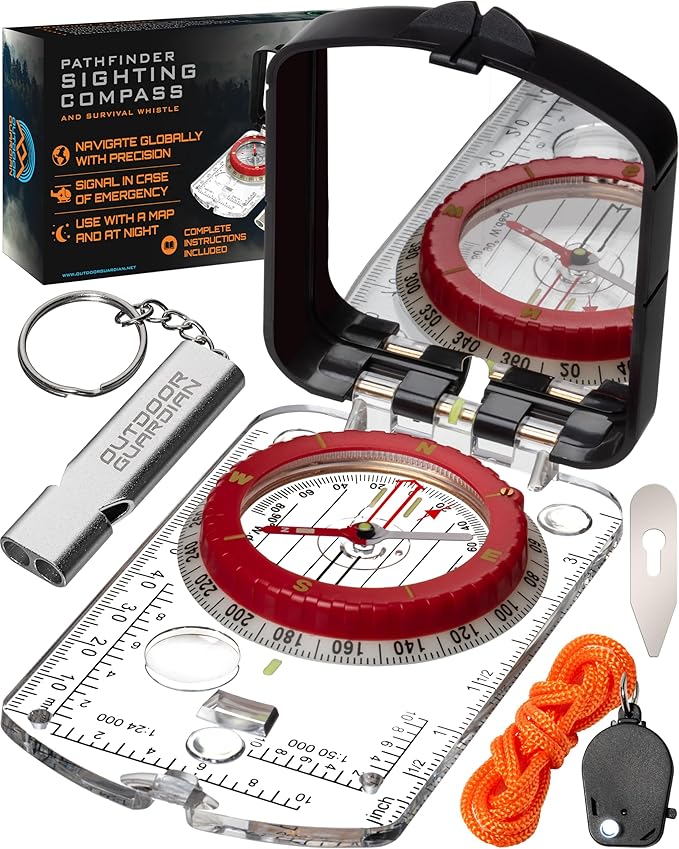
Standard smartphone compass lacks declination adjustment and teaches dependency. This forces you to understand true north vs magnetic north, making map navigation actually usable across different regions.
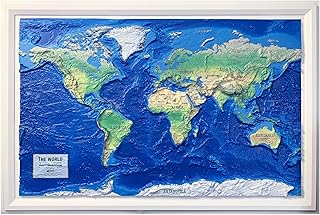
Digital maps train your brain to follow a dot. Physical maps force spatial reasoning, landmark recognition, and scale comprehension. The waterproof version survives coffee spills and rain practice sessions.
As an Amazon Associate I earn from qualifying purchases. Prices may change.
Step-by-Step Guide
Build your analog achievement log
Buy a pocket-sized notebook for daily carry. Write today's date and 'Skill Tree Progress' inside the front cover. Reserve the first 10 pages for an index you'll build as you add skills. This physical journal tracks everything—no apps.
💡 Pro Tips:
- • Accuracy rates and failure patterns only reveal themselves when you write them down by hand
- • Choose one starting skill tree: Navigation for immediate results, Communication for deeper challenge
Master directional awareness without devices
Every time you exit a building for two weeks, identify north before checking your phone. Use sun position: rises east, sets west, noon points south in Northern Hemisphere. Guess first, verify with compass second. Document your accuracy rate in your journal.
💡 Pro Tips:
- • Building shadows distort sun angles after 4PM—note when your method fails
Practice daily micro-challenges with stakes
Set phone reminders for specific 15-30 minute practice windows. Navigate to a new restaurant using only paper maps. Read five strangers' emotional states from twenty feet during lunch. Count exit routes in your subway car. Make practice impossible to ignore by scheduling it.
💡 Pro Tips:
- • When you fail, write exactly what went wrong: 'Misread crowd density in low light' teaches more than 'I messed up'
- • Three successful real-world applications = Practitioner level badge in your journal
Cross-train between skill trees
Combine skills after month three. Use navigation awareness to find shortcuts, then assess their safety using urban awareness cues like lighting and sightlines. Tie knots that solve actual problems in your apartment. Let skills compound instead of staying isolated.
💡 Pro Tips:
- • Most powerful combinations: Navigation + Urban Awareness, Communication + Practical Mechanics
Teach someone to cement expertise
Schedule a skills swap with a friend. Teach them map reading or body language basics while they teach you something else. If you can explain why your method works and walk them through successful application, you've internalized it. Teaching forces clarity that solo practice never delivers.
Audit and maintain your skill set
First day of each month, review your journal index. Identify which skills you've used in the last 30 days and which are getting rusty. Run through your Practitioner-level skills quarterly or they degrade back to Novice. Add new skills based on gaps in your actual urban life.
💡 Pro Tips:
- • After mastering 5-8 foundational skills, customize your curriculum to your real environment and daily challenges
Gear Up for Your Quest
The gear that makes this quest work.
Pull it off

Transparent Practice Locks (Set of 3)
Lets you understand lock mechanics visually as you practice—essential for building genuine lockpicking skills beyond blind fumbling. Transparent design shows exactly what your tension wrench and pick are doing inside.
+ complete the kit — 4 more

Standard smartphone compass lacks declination adjustment and teaches dependency. This forces you to understand true north vs magnetic north, making map navigation actually usable across different regions.
Baseplate compass with rotating bezel, lanyard, and magnetic declination correction
Get on Amazon · $17.99 — Orienteering Compass with Declination Adjustmentdetails & deals →
Local Topographic Map (Printed)
EssentialDigital maps train your brain to follow a dot. Physical maps force spatial reasoning, landmark recognition, and scale comprehension. The waterproof version survives coffee spills and rain practice sessions.
Waterproof printed topo map of your metro area with 1:24,000 scale
Get on Amazon · $99.99 — Local Topographic Map (Printed)details & deals →
Urban Survival Skills Field Guide
RecommendedProvides quick-reference validation when you're practicing alone. The body language illustrations help you recognize microexpressions you'd otherwise miss, and the knot diagrams work better than video tutorials for muscle memory.
Pocket reference with street-smart techniques, body language charts, basic mechanical diagrams
Get on Amazon · $17.95 — Urban Survival Skills Field Guidedetails & deals →
Paracord Practice Spool (50 feet)
RecommendedBright color makes it easy to see your mistakes while learning knots. Actual paracord means you're building muscle memory with material you'd use in real situations, not slippery practice rope that handles differently.
550-grade paracord in high-visibility color for knot practice
Get on Amazon · $4.99 — Paracord Practice Spool (50 feet)details & deals →RELATED GEAR GUIDE
Gamify Your Life Kit: 6 Picks to Turn Days Into Quests
Field-tested picks · Personal Growth
As an Amazon Associate, IRL Sidequests earns from qualifying purchases at no extra cost to you.
Prices and availability are subject to change. The price shown at checkout on Amazon at the time of purchase will apply.
Editor's Picks
Hand-selected quests our team thinks you'll love

Random Side Quest Generator: Complete Guide to Spontaneous Adventures
Turn decision paralysis into roll-the-dice action.

Desk Reset Rituals for Screen Workers
Your screen blur isn't age—it's ritual deficit.

Build Your Domestic Confidence Toolkit
The difference between panicking when something breaks and calmly handling it yourself.