Your apartment just became a production facility, not just a consumption zone.
Transform your living space into a productive homestead. Learn food production, resource conservation, and skills that reduce dependence on external systems.
Urban homesteading strips away the romantic farm fantasy and gets real about what self-sufficiency actually means in a city. You're not aiming for complete independence—that's unrealistic and unnecessary. You're building systems that produce value, reduce waste, and give you actual skills when supply chains hiccup or prices spike. This isn't about buying more stuff to feel productive. It's about converting passive spaces into active systems. That sunny windowsill becomes a microgreens operation. Kitchen scraps become soil. Your freezer becomes a food preservation hub. Each system compounds over time—your compost feeds your plants, your plants feed you, your scraps feed your compost. The goal is creating closed loops that require less input from outside. The mental shift hits hardest around month three when you realize you haven't bought salad greens in weeks, or when a friend asks where you got your hot sauce and you say "I made it." That's the real currency here—competence and independence that can't be taken away by price increases or shortages.
Audit your space for production potential: measure window light hours with a lux meter app (6+ hours direct = prime growing), check water access points, identify climate-controlled areas for fermentation and storage, map electrical outlets for grow lights or dehydrators.
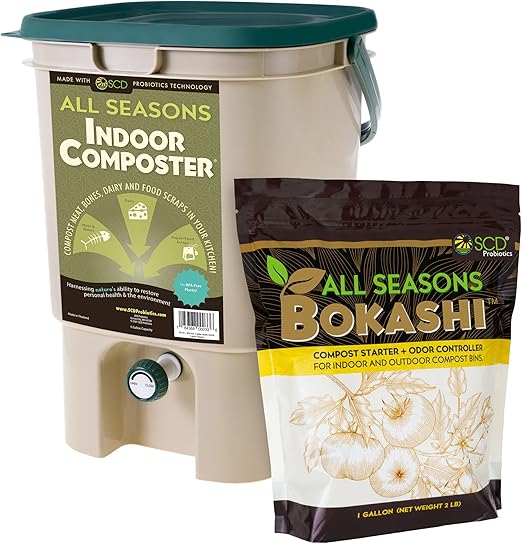
Start your soil system first—everything builds from this. Set up a countertop or balcony compost using bokashi fermentation (handles meat/dairy, no smell, 2-week turnaround). Track your weekly food waste volume for one month to size your system correctly. Most households need a 5-gallon capacity minimum.
Install your primary growing station: south-facing window herb garden or LED grow shelf in a closet. Start with high-value, fast-cycling crops—microgreens pay back your setup cost in 2-3 harvests. Basil, cilantro, and lettuce have 30-45 day cycles and cost $3-8 per store purchase versus $0.40 in seeds.
Add one preservation method per month. Month one: freezing (blanch and freeze seasonal produce when cheap). Month two: fermentation (sauerkraut, hot sauce, pickles—just salt, vegetables, time). Month three: dehydrating (herbs, fruit leather, vegetable powders for seasoning). Document your process with dates and weights to track actual food production.
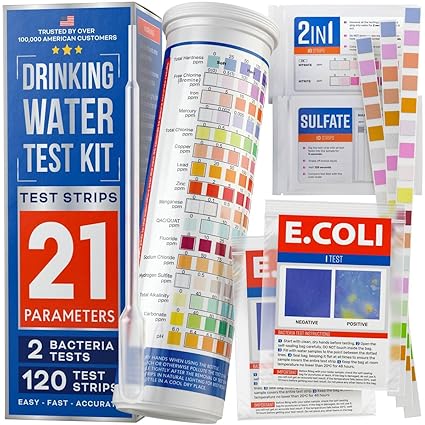
Implement water conservation: measure your shower, dish, and cooking water usage with a bucket test. Redirect safe greywater to plants (pasta water has nutrients, shower water while it heats up). This reduces water bills and creates self-watering systems during trips.
Build your skills library with hands-on practice: bread baking (flour to table, understand fermentation), basic tool maintenance (sharpen your own knives, fix a leaky faucet), first aid beyond bandaids, basic sewing repairs. Pick one skill monthly, practice it five times until competent.
Start a household production log: track what you make versus buy, production costs versus store costs, time invested per item. After six months, you'll see which systems actually save money and which are hobby projects—both are valid, but know the difference.
Connect with local homesteaders through tool libraries, seed swaps, and preservation workshops. Trade surplus (your excess tomatoes for their honey). These networks matter more than any single skill—they're mutual aid systems disguised as hobbies.
Get everything you need to make this quest amazing.
Accurate to 1-gram measurement, 11-pound capacity minimum
Get This Item2-bucket system with bokashi bran inoculant
Get This Item20-40W LED fixture with adjustable spectrum and timer
Get This Item💙 Shopping through these links helps support IRL Sidequests at no extra cost to you. Thanks for making adventures possible!
Hand-selected quests our team thinks you'll love

Cozy, gooey, unforgettable nights.

Turn your kitchen into a mad scientist’s bar.

Sharpshooter bragging rights start here.