That windowsill can feed you three meals a week—here's the exact system.
Master apartment gardening, balcony farming, and year-round food production using hydroponic systems and container growing techniques.
Most apartment dwellers think food production requires land. Wrong. A south-facing window, 15 square feet of floor space, or a small balcony can yield 30-40 pounds of produce annually once you understand light cycles, nutrient delivery, and succession planting. This isn't aspirational Instagram gardening—it's functional food security using proven techniques from urban farming collectives in Tokyo, Singapore, and Brooklyn. You'll build three production systems: a kratky-style hydroponic setup for lettuce and herbs (harvest every 4 weeks), a container soil garden for tomatoes and peppers (seasonal but prolific), and a microgreens station that produces harvestable food in 7-10 days. The hydroponic system works in windowless rooms with grow lights. The soil containers need 6+ hours of direct sun. Microgreens grow anywhere with minimal light. By week 12, you'll have established harvest rhythms and understand which crops suit your specific space constraints. The learning curve is real—your first lettuce might bolt, your tomatoes might get leggy, you'll probably overwater something. But by your third planting cycle, you'll troubleshoot pH levels instinctively and know exactly when basil needs topping. The financial break-even happens around month 6 when your harvest value exceeds setup costs. After that, it's $0.40/lb produce versus $4-8/lb at stores, plus you're eating food picked 30 seconds before cooking instead of food that traveled 1,500 miles.
Build your kratky hydroponic system: drill net pot holes in a 5-gallon opaque container, fill with hydroponic nutrient solution to touch the bottom of net pots, plant lettuce or chard seedlings in clay pellets, place under grow light or south-facing window. Solution level drops as plants grow—roots chase the water down, air gap develops for oxygen. No pumps needed.
Set up container soil garden: use 5-gallon fabric pots with drainage holes, fill with commercial potting mix (not garden soil), plant one tomato or pepper per container, add slow-release fertilizer. Position where it gets morning sun—afternoon heat through windows can cook plants. Water when top 2 inches of soil feel dry.
Create microgreens production line: use shallow trays (1-2 inches deep), spread potting mix evenly, broadcast seeds densely (sunflower, pea shoots, radish), mist daily, place under basic LED shop light. Harvest with scissors at 7-10 days when first true leaves appear. Immediately replant next batch for continuous production.
Document your light conditions: use a smartphone light meter app, measure foot-candles or lux at different times of day in your growing areas. Leafy greens need 2000+ foot-candles, fruiting plants need 4000+. Adjust grow light height or add reflective materials if numbers fall short. South windows in winter provide ~1500-2500 foot-candles at peak.
Start a planting calendar: log what you plant, when, and harvest dates. Track failures—bolted lettuce, stretching seedlings, pest issues. Cross-reference with weather, your schedule, light changes as seasons shift. After 3 cycles, patterns emerge. You'll know May's heat kills lettuce but July's perfect for basil.
Master nutrient management: hydroponic solution needs pH 5.5-6.5 (test with strips weekly), refresh completely every 4-6 weeks as salts accumulate. Soil containers need liquid fertilizer every 2 weeks during active growth. Microgreens need nothing—the seed provides nutrients. Yellowing leaves mean nitrogen deficiency, purple stems mean phosphorus issues.
Implement succession planting: plant new lettuce every 2 weeks, stagger tomato containers by 3 weeks, start microgreens every 4-5 days. This creates continuous harvest instead of feast/famine. When one hydroponic lettuce is ready, the next batch is 2 weeks behind, and seedlings are germinating.
Troubleshoot common failures: leggy seedlings mean insufficient light, fungus gnats mean overwatering, white powder on leaves is powdery mildew from poor air circulation. Bolting lettuce means temps exceeded 75°F—move to cooler spot or switch to heat-tolerant varieties. Most problems announce themselves visually before becoming catastrophic.
Scale production strategically: once first systems are stable, add a second hydroponic container, expand microgreens to 4 trays on rotation, try pole beans on a balcony trellis. Calculate your consumption rate—if you eat salad 3x weekly, grow accordingly. Overproduction without preservation plans creates waste.
Calculate your food independence metrics: track pounds harvested, dollars saved, meals supplemented. A single hydroponic container produces ~6-8 lbs of lettuce per 4-week cycle. One 5-gallon tomato container yields 15-25 lbs over a season. Microgreens deliver ~12 oz per tray. Real data keeps you motivated through learning curve failures.
Get everything you need to make this quest amazing.
Adjustable height LED fixture with timer function providing 2000-4000 lumens for 2-3 square feet of growing area
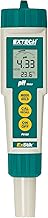
Get This ItemWaterproof digital pH tester accurate to 0.1 pH with automatic temperature compensation and calibration powders
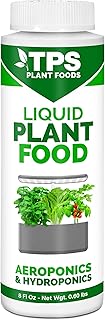
Get This ItemTwo-part liquid fertilizer system (grow and bloom formulas) designed for water-based cultivation, makes 50+ gallons
Get This ItemSmall fan with clip mount and 90-degree oscillation for air circulation in growing areas
Get This ItemSmartphone apps like Photone or Lux Light Meter that measure light intensity in foot-candles or lux using camera sensor
Get This Item💙 Shopping through these links helps support IRL Sidequests at no extra cost to you. Thanks for making adventures possible!
Hand-selected quests our team thinks you'll love

Cozy, gooey, unforgettable nights.

Turn your kitchen into a mad scientist’s bar.

Sharpshooter bragging rights start here.