The city's your gym—handrails are pull-up bars, ledges are balance beams, and that three-foot wall just became your starting point.
Transform city architecture into your training ground with parkour fundamentals, bodyweight training, and street sport techniques using urban obstacles.
City parks after 7 AM have the best energy—dog walkers clear out, before the lunch crowd rolls in, and you've got benches, rails, and walls to yourself. I've been training in urban spaces for six years, and the learning curve is gentler than you think. Start with a knee-high wall for step vaults, progress to precision jumps between curb edges, then work up to cat hangs on playground equipment. The concrete gives honest feedback—your form either works or it doesn't. This isn't about flipping off buildings. It's about reading your environment differently. That meter-high planter box? Perfect for practicing box jumps and landings. The slight incline near the amphitheater? Ideal for working sprint intervals without joint impact. Park benches become dip stations, low walls turn into balance training, and sturdy tree branches offer pull-up variations. You'll build functional strength that transfers to everything—carrying groceries up stairs, catching yourself when you slip, moving with confidence through crowded spaces. The progression system matters. Week one focuses on landing mechanics and quadrupedal movement (moving on all fours builds wrist strength and spatial awareness). Week two introduces basic vaults and precision jumps under two feet. By week four, you're stringing movements together—vault over the bench, precision land on the curb edge, roll to absorb impact. The best part? Your training spot evolves as you do. That playground you thought was too easy becomes a technical challenge when you add blindfolded balance work or one-arm hangs.
Top gear to make this quest great.

Protects hands during vault practice and improves grip on metal rails during wet conditions. The wrist support prevents hyperextension during cat hangs and landing catches. I went through a full season without these and developed calluses that limited training days—learned that lesson the hard way.

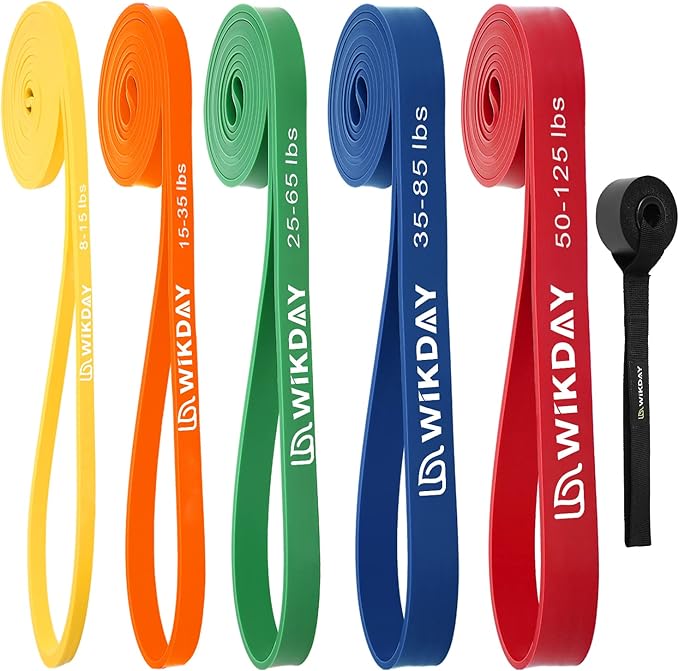
Adds strength training variety when you can't find the right height obstacle. Anchor to a sturdy pole or tree for assisted pull-ups, or use for resistance work on vault drills to build explosive power. Game-changer for training in parks with limited equipment.

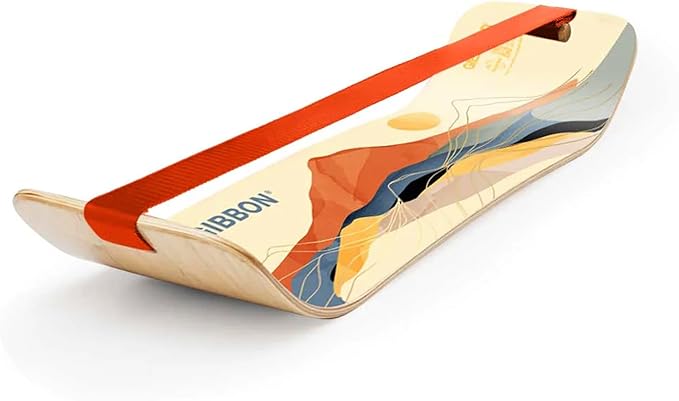
Transforms any flat space into a balance training station. Practice single-leg holds and precision jump landings on the pad to develop ankle stability before attempting narrow ledge work. Folds into most backpacks and works as a cushioned seat between sets.
As an Amazon Associate I earn from qualifying purchases. Prices may change.
Scout your training zone during a morning walk—look for areas with varied heights (benches, walls 1-3 feet high, sturdy railings, open grass for rolls). Parks with fitness equipment clusters work best. Avoid wet surfaces and check that landings are clear of debris.
Warm up with 10 minutes of movement prep: wrist circles (parkour puts serious load on wrists), cat-cow stretches, leg swings, and light jogging. Do 3 sets of quadrupedal movement across 20 feet—hands and feet on the ground, moving forward and backward to build coordination.
Practice landing mechanics on flat ground first. Jump from both feet, land on the balls of your feet with knees bent, weight centered. The sound test: quiet landings mean good shock absorption. Do 15 reps, focusing on silence. This protects your joints when you add height later.
Find a knee-high obstacle (low wall or sturdy bench). Practice step vaults: approach at a jog, plant one hand on the surface, swing your outside leg over while pushing off with your hand. Land on both feet. Do 8 reps each side. Your hand should support, not hold your full weight.
Work precision jumps between ground markers (start with chalk lines or sticks placed 2-3 feet apart). Jump from both feet, land on both feet without stepping forward. This builds accuracy for moving between obstacles. Progress distance gradually—add 6 inches when you can stick 10 jumps cleanly.
Use park benches or parallel bars for support holds and dips. For beginners: grip the bench edge, extend legs forward, lower yourself down and push back up (10 reps). This builds tricep and shoulder strength for vaulting movements.
Practice forward rolls on grass (essential safety skill for parkour). Tuck your chin, roll diagonally across your shoulder blades from shoulder to opposite hip, come up on your feet. Do 5 slow, controlled rolls each side. This lets you absorb momentum from height drops safely.
Combine movements into a simple flow: approach your low wall, step vault over, precision jump to a marked spot 4 feet away, roll out of the landing. Repeat 5 times. Focus on smooth transitions—the goal is continuous movement, not speed.
Cool down with 10 minutes of static stretching (hamstrings, hip flexors, shoulders, wrists). Check your hands and feet for hot spots that might blister. Note which movements felt solid and which need work in your next session.
Get everything you need to make this quest amazing.

Protects hands during vault practice and improves grip on metal rails during wet conditions. The wrist support prevents hyperextension during cat hangs and landing catches. I went through a full season without these and developed calluses that limited training days—learned that lesson the hard way.
Lightweight fingerless gloves with padded palms and adjustable wrist straps, designed for parkour and calisthenics
Get on Amazon · $16.99
Adds strength training variety when you can't find the right height obstacle. Anchor to a sturdy pole or tree for assisted pull-ups, or use for resistance work on vault drills to build explosive power. Game-changer for training in parks with limited equipment.
Variable resistance loop bands (3-5 resistance levels) with attachment point for outdoor structures
Get on Amazon · $29.99
Transforms any flat space into a balance training station. Practice single-leg holds and precision jump landings on the pad to develop ankle stability before attempting narrow ledge work. Folds into most backpacks and works as a cushioned seat between sets.
Compact foam pad (12x16 inches) that creates an unstable surface for training proprioception
Get on Amazon · $179.99Record your vaults and landings from the side angle, then review in slow-motion to spot form breaks you can't feel in real-time. The side-by-side comparison feature lets you track progress week-over-week. Watching myself land heel-first (instead of forefoot) fixed knee pain I'd been ignoring.
Apps like Coach's Eye or Hudl Technique that offer slow-motion playback and form comparison tools
As an Amazon Associate, IRL Sidequests earns from qualifying purchases at no extra cost to you.
Prices and availability are subject to change. The price shown at checkout on Amazon at the time of purchase will apply.
Hand-selected quests our team thinks you'll love

Your life stats are stagnant—time to grind IRL and unlock new abilities.

Your memory of what you've done is terrible. Build a system that proves you showed up.

Your daily life has more side content than Skyrim—you just need the right quest log.