IRL Sidequests
Urban Explorer's Survival Skills Academy - Urban Exploration quest for Intermediate level adventurers

Urban Explorer's Survival Skills Academy

The city won't coddle you—learn to survive it when everything goes sideways.

About This Quest

Master practical urban survival techniques including fire-starting in concrete jungles, emergency shelter building, city navigation without GPS, and scavenging for resources in metropolitan environments.

Cities hide their dangers behind convenience. Power grids fail. Phones die. People panic when the familiar infrastructure crumbles. This isn't wilderness survival—it's about adapting urban resources when systems break down. You'll practice fire-starting without matches using scavenged materials, construct emergency shelters from urban debris, purify questionable water sources, and navigate using architectural landmarks instead of satellites. Find an abandoned lot, industrial area, or neglected urban space where you can legally practice without interference. Early morning works best—fewer questions from curious onlookers. You'll work with concrete, metal, discarded materials, and the built environment as your toolkit. The goal isn't apocalypse prepping; it's building practical competence for realistic urban emergencies: natural disasters, infrastructure failures, or getting genuinely lost in an unfamiliar city. By the end, you'll understand how to extract usability from urban waste, read cities like topographic maps, and maintain calm resourcefulness when conveniences evaporate. The skills translate directly: that weird alley shortcut becomes a navigation reference point, that steam vent could provide warmth, those construction materials might build shelter. Cities become readable, not just walkable.

Duration
3-4 hours
Estimated Cost
$60+
Location
Outdoor
Season
Year-round

Step-by-Step Guide

1

Scout a safe, legal urban practice location—abandoned industrial zones, permitted vacant lots, or designated urban training areas. Get explicit permission if needed. Bring a fully charged phone for emergencies only, but commit to not using it for navigation.

2

Urban fire drill: Collect city debris (cardboard, dry leaves from gutters, small wood scraps, fabric strips). Practice creating tinder bundles and using ferro rods or flint strikers. Focus on wind-blocking techniques using walls and dumpsters. Time yourself—urban environments often lack ideal kindling.

3

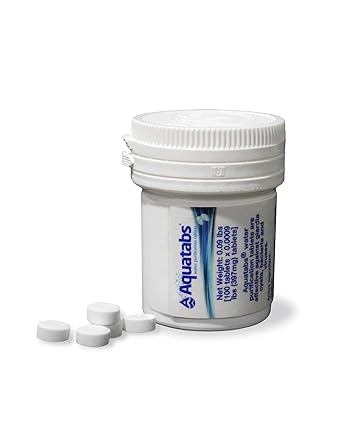
Water sourcing challenge: Identify three potential urban water sources (roof runoff collection points, condensation from AC units, accessible pipes). Practice filtration using improvised methods—fabric pre-filters, gravel layers, understanding which sources need boiling versus chemical treatment. Don't actually consume until properly treated.

4

Shelter construction: Build a debris hut or lean-to using urban materials—pallets, cardboard, tarps from construction sites, corrugated metal. Test wind resistance and weatherproofing. The goal is rapid deployment, not comfort. Can you build functional protection in under 30 minutes?

5

Navigation without GPS: Pick a destination 2-3 miles away. Navigate using only architectural landmarks, street patterns, sun position, and moss patterns on buildings (north-facing walls stay damper). Note which buildings create reliable shadow patterns at different times. Document your mental map.

6

Resource identification walk: Canvas your training area for overlooked resources—where storm drains could provide water access, which buildings have external power outlets, where natural windbreaks exist, which structures provide sight lines for orientation. Create a resource map from memory.

7

Emergency signaling practice: Test visibility of improvised signals—reflective materials catching sunlight, smoke from controlled burns, noise amplification using urban architecture. Learn which materials and locations maximize signal visibility in dense environments.

8

Review and refine: What worked? What took longer than expected? Which techniques felt awkward versus intuitive? Practice the weakest skill twice more before leaving. Clean up all materials—leave zero trace of your practice session.

Gear Up for Your Quest

Get everything you need to make this quest amazing.

Ferro Rod Fire Starter with Striker

Essential
$15-25

Waterproof ferrocerium rod that produces 3000°F sparks without matches or lighters, works in all weather conditions

Get This Item

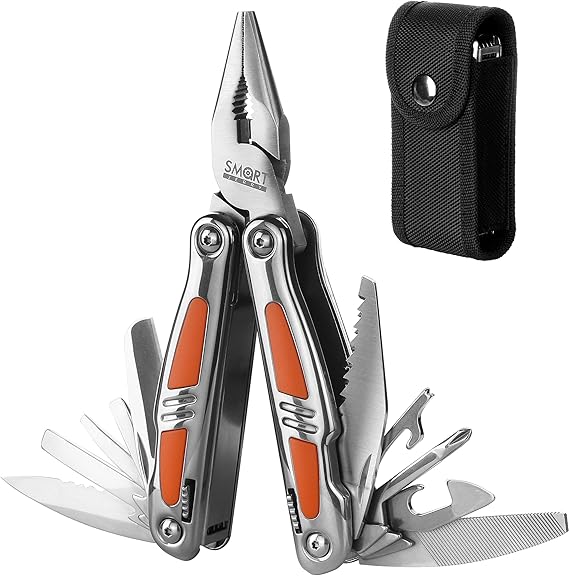
Tactical Multi-Tool with Pliers

Essential
$40-80

Heavy-duty multi-tool with locking pliers, wire cutters, saw blade, can opener, and screwdriver bits

Get This Item

Compact Water Filtration System

Essential
$25-45

Portable filter capable of removing bacteria, protozoa, and sediment from questionable water sources; 1000+ liter capacity

Get This Item

Waterproof Field Notebook with Grid Paper

Recommended
$12-20

All-weather notebook with grid pages for mapping, resource documentation, and navigation sketches

Get This Item

Emergency Mylar Space Blankets (pack of 4)

Optional
$8-15

Compact thermal reflective blankets that retain 90% body heat, also useful for signaling and waterproofing

Get This Item

💙 Shopping through these links helps support IRL Sidequests at no extra cost to you. Thanks for making adventures possible!