Transform from casual city walker to skilled urban explorer with professional techniques used by UrbEx veterans.
Master professional urban exploration techniques through hands-on training in observation, navigation, photography, and ethical city discovery methods.
The Urban Exploration Skills Academy is a comprehensive self-guided training program that teaches you the fundamental skills professional urban explorers use to discover, document, and safely navigate city environments. Unlike casual city walks, this quest transforms you into a trained observer who can read architectural history, identify hidden pathways, capture compelling urban photography, and explore ethically while respecting boundaries and communities. Through structured exercises across multiple urban micro-environments, you'll develop situational awareness, learn stealth movement techniques for blending into cityscapes, practice low-light photography methods, and understand the legal and ethical frameworks that separate responsible exploration from trespassing. This academy combines elements of photography, architecture appreciation, navigation skills, and urban anthropology into a practical skillset. Whether you're interested in documenting architectural decay, discovering hidden urban gems, improving your street photography, or simply seeing your city through new eyes, this skills-based approach provides the foundation for safe, ethical, and rewarding urban exploration experiences. You'll complete five skill stations that progressively build your capabilities from observation basics to advanced documentation techniques.
Top gear to make this quest great.

Enables safe exploration of darker urban spaces (underpasses, covered areas) without destroying night vision adaptation or drawing excessive attention. Red light mode is crucial for maintaining situational awareness while reading maps or notes.

Dramatically improves architectural photography by capturing full building facades and tight interior spaces that standard phone cameras can't frame. Essential for documenting spatial relationships and creating compelling urban compositions.

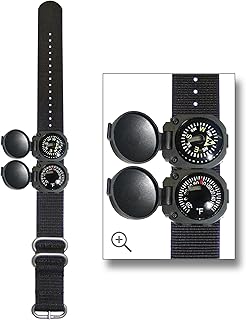
Enables navigation practice without GPS dependence, building fundamental wayfinding skills. Wrist mounting keeps hands free while providing constant directional reference. Critical for developing true spatial awareness in urban environments.
As an Amazon Associate I earn from qualifying purchases. Prices may change.
Select your training ground: Choose a safe, public urban area with varied architecture (downtown district, industrial-turned-arts neighborhood, historic district, or university campus). Ensure all locations are legally accessible public spaces.
Station 1 - Observational Awareness Training (30 min): Find a busy urban intersection or plaza. Practice the '5-Minute Scan' technique: spend 5 minutes identifying architectural details most people miss (cornerstone dates, faded advertisements, unusual materials, hidden sculptures). Document 10 overlooked details using quick sketches or photos. Practice peripheral vision exercises by noting activity without directly looking.
Station 2 - Urban Navigation & Wayfinding (45 min): Turn off GPS navigation. Using only environmental clues (sun position, street patterns, landmark triangulation, building numbering systems), navigate to a destination 1-2 miles away. Practice reading urban geography: identify grid vs. organic street patterns, locate cardinal directions using building shadows, and use architectural styles to estimate neighborhood age and socioeconomic history.
Station 3 - Stealth Movement & Blending (30 min): Practice 'gray man' techniques for blending into urban environments. Walk at the average pace of pedestrians around you, adopt purposeful body language, and move through spaces without drawing attention. Practice different movement styles: tourist observer, purposeful commuter, casual resident. Learn when to pause naturally (pretend phone checks, window shopping) to observe without appearing suspicious.
Station 4 - Urban Photography Fundamentals (45 min): Without using flash or tripods, practice handheld low-light photography techniques. Focus on architectural details, interesting textures, light-and-shadow compositions, and perspective shots. Use the 'three-angle rule': photograph each subject from eye level, low angle, and high angle. Practice quick framing and capture techniques that don't require stopping for extended periods.
Station 5 - Documentation & Ethical Framework (30 min): At your final location, practice comprehensive site documentation. Record location context, architectural features, historical observations, and surrounding environment details. Review the UrbEx Code of Ethics: take only photographs, leave only footprints, respect 'No Trespassing' signs, never break locks or force entry, don't reveal exact locations of sensitive sites, and prioritize safety over documentation.
Skills Assessment: Review your documentation from all five stations. Evaluate what you observed that you would have missed on a normal walk. Create a 'skills progress log' noting which techniques felt natural and which need more practice.
Plan your next exploration: Identify three locations in your city where you can apply these skills ethically and legally. Research their history online to prepare context for your next UrbEx adventure.
Get everything you need to make this quest amazing.

Enables safe exploration of darker urban spaces (underpasses, covered areas) without destroying night vision adaptation or drawing excessive attention. Red light mode is crucial for maintaining situational awareness while reading maps or notes.
Compact LED flashlight with multiple brightness settings and red light mode for night vision preservation
Get on Amazon · $19.99
Dramatically improves architectural photography by capturing full building facades and tight interior spaces that standard phone cameras can't frame. Essential for documenting spatial relationships and creating compelling urban compositions.
Clip-on wide-angle or fisheye lens attachment compatible with most smartphones
Get on Amazon · $39.99Provides curated databases of interesting urban locations, architectural history context, and community-verified information about accessibility and safety. Offline functionality ensures access in areas with poor cell coverage.
Specialized apps like 'Atlas Obscura' or 'Abandoned America' with offline map capabilities

Enables navigation practice without GPS dependence, building fundamental wayfinding skills. Wrist mounting keeps hands free while providing constant directional reference. Critical for developing true spatial awareness in urban environments.
Analog wrist-worn compass with built-in thermometer and luminous dial
Get on Amazon · $29.49
Urban environments expose lenses to dust, fingerprints, and moisture that degrade photo quality. Quick cleaning capability ensures every shot maintains professional clarity, especially important for low-light photography where smudges are magnified.
Professional-grade microfiber cloth in protective pouch for cleaning camera lenses and phone screens
Get on Amazon · $5.49As an Amazon Associate, IRL Sidequests earns from qualifying purchases at no extra cost to you.
Prices and availability are subject to change. The price shown at checkout on Amazon at the time of purchase will apply.
Hand-selected quests our team thinks you'll love

Every sidewalk crack has a story—you just need to know where to look.

That building you pass every day? It's been screaming details at you that you've never noticed.

Your city has layers most people never see—here's how to peel them back.