IRL Sidequests
Urban Exploration Safety & Ethics: Responsible Urbex Training - Urban Exploration quest for Intermediate level adventurers

Urban Exploration Safety & Ethics: Responsible Urbex Training

Explore forgotten spaces responsibly—where adventure meets accountability.

About This Quest

Master ethical urban exploration with comprehensive safety protocols, legal considerations, and responsible documentation techniques for exploring abandoned spaces.

Urban exploration (urbex) offers a unique window into forgotten architecture, industrial heritage, and urban decay—but it comes with serious responsibilities. This comprehensive training quest teaches you the fundamental principles of safe, ethical, and legal urban exploration. You'll learn to assess structural risks, understand trespassing laws, document responsibly, and engage with the urbex community's core philosophy: 'Take nothing but pictures, leave nothing but footprints.' This quest goes beyond basic safety to address the ethical dimensions of exploring abandoned spaces. You'll develop skills in historical research, property status verification, and respectful documentation that preserves rather than exploits these locations. Understanding the difference between urban exploration and vandalism, learning when to walk away, and recognizing your legal and moral obligations are essential foundations for any aspiring urban explorer. Whether you're drawn to abandoned hospitals, industrial complexes, or forgotten transit infrastructure, this training provides the knowledge framework to pursue urbex as a legitimate documentary and photographic practice. You'll emerge with practical risk assessment skills, ethical decision-making tools, and the confidence to explore responsibly while contributing positively to the preservation of urban history.

Duration
3-4 hours initial training + ongoing practice
Estimated Cost
$60+
Location
Both
Season
Year-round

Step-by-Step Guide

1

Study Legal Framework: Research trespassing laws in your jurisdiction, understand the difference between civil and criminal trespass, and learn about abandoned property statutes. Document which types of locations carry greater legal risks and identify public or semi-public spaces that allow exploration.

2

Learn Safety Assessment Protocols: Study structural warning signs including sagging floors, compromised ceilings, asbestos materials, unstable staircases, and environmental hazards. Practice identifying these risks through online resources and documentaries before entering any actual location.

3

Master the Urbex Code of Ethics: Internalize core principles—never break anything to gain entry, don't remove artifacts, don't disclose specific locations publicly, respect 'No Trespassing' signs on occupied properties, and never explore alone. Understand why these rules exist and their importance to the community.

4

Develop Research Skills: Learn to use property records, historical archives, satellite imagery, and urbex forums to investigate locations before visiting. Verify abandonment status, research ownership, understand the site's history, and identify specific hazards mentioned in previous reports.

5

Practice Risk Assessment: Create a personal safety checklist covering structural integrity, environmental hazards, security presence, weather conditions, entry/exit routes, and communication plans. Test this system on low-risk locations first, gradually building experience and judgment.

6

Study Documentation Best Practices: Learn photography techniques that capture decay and architecture without revealing identifying information. Understand how to document without creating 'tourist guides' that lead to location degradation, and practice storytelling that respects the site's history.

7

Plan Your First Supervised Exploration: Join an experienced urbex group or mentor for your initial exploration. Apply your safety assessment, follow all ethical guidelines, document your experience, and debrief afterward to identify learning opportunities and areas for improvement.

8

Engage with the Community Responsibly: Connect with local urbex communities through established forums and groups. Learn location etiquette (never asking for specific addresses), share knowledge about safety and ethics, and contribute to preservation discussions rather than exploitation.

9

Develop an Emergency Protocol: Create and practice emergency procedures including injury response, structural collapse scenarios, security encounters, and communication failures. Share your location and timeline with a trusted contact for every exploration, and establish check-in protocols.

10

Commit to Ongoing Education: Urban exploration risks and ethics evolve with changing laws, building deterioration, and community standards. Regularly update your knowledge, learn from incidents in the community, and continuously refine your personal safety and ethical standards.

Gear Up for Your Quest

Get everything you need to make this quest amazing.

High-Lumen LED Headlamp with Red Light Mode

Essential
$35-80

Powerful hands-free illumination system with adjustable brightness and red light setting for night vision preservation

Get This Item

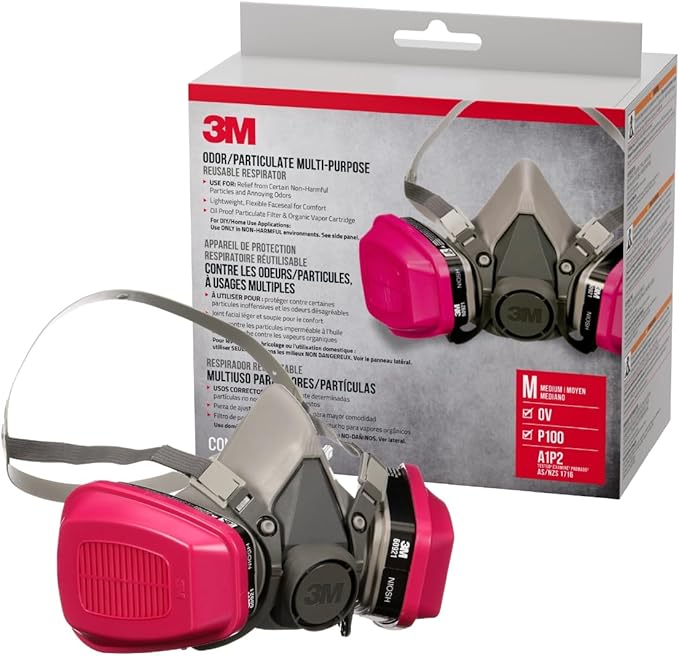
Respirator Mask (P100 or N95 with Valve)

Essential
$25-45

Certified respiratory protection against mold, asbestos fibers, dust, and airborne contaminants

Get This Item

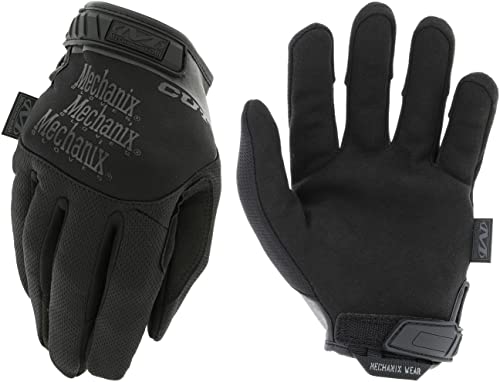
Cut-Resistant Tactical Gloves

Essential
$20-40

Durable gloves with cut-resistant material, reinforced palms, and touchscreen-compatible fingertips

Get This Item

Offline Maps Application (Maps.me or Avenza)

Recommended
$0-20

GPS mapping app that functions without cellular service using downloaded topographic and property boundary maps

Get This Item

Compact First Aid Kit with Trauma Supplies

Recommended
$30-60

Specialized first aid kit including trauma dressings, tourniquet, antiseptic, and emergency supplies for puncture wounds and cuts

Get This Item

💙 Shopping through these links helps support IRL Sidequests at no extra cost to you. Thanks for making adventures possible!