
Build a Skill Stack: Your 100-Day Mastery Framework
Stop collecting courses. Start building skills that stick.
About This Quest
A structured approach to learning and mastering tangible skills through deliberate practice, feedback loops, and measurable progress tracking.
Most people confuse consuming content with building skills. You watch a tutorial, feel productive, then can't actually do the thing when it matters. Real skill development requires something different: structured practice with immediate feedback, progressive difficulty, and objective measurement. This quest gives you a framework that works whether you're learning woodworking, a language, coding, or playing an instrument. The system breaks down into three phases. Days 1-30 focus on fundamentals and building correct form—this is where you drill the basics until they're automatic. Days 31-70 introduce complexity and variation, forcing you to apply fundamentals in different contexts. Days 71-100 push you into creation mode, where you produce original work that demonstrates mastery. Each phase includes specific milestones that tell you if you're progressing or just going through motions. What makes this work is the feedback architecture. You need external validation points—not just your own assessment. That means recording yourself, getting critiques from practitioners ahead of you, or using objective metrics that don't lie. The timer and progress tracking aren't about gamification; they create the constraint that forces actual practice instead of endless preparation.
Why This Quest Matters
You'll prove to yourself that structured practice beats content consumption every time. By Day 100, you'll have 10 complete works and documented proof of transformation from 'can barely do this' to 'can produce original output.' The skill stays with you because you built it through feedback and progressive challenge, not passive watching.
What You'll Experience
- How to design practice sessions that actually build skill instead of just burning time
- The difference between drilling fundamentals and integrated practice
- How to use external feedback and objective metrics to guide improvement
- Why progressive difficulty every 10 days separates real skill-building from repetition
- How to shift from practice exercises to producing complete original work
What You'll Need
Top gear to make this quest great.
Pull it off
Interval Timer with Lap Function
Creates the practice structure that separates focused drilling from integrated work. The lap function lets you see exactly how long you spend on each component, revealing if you're avoiding your weak areas.
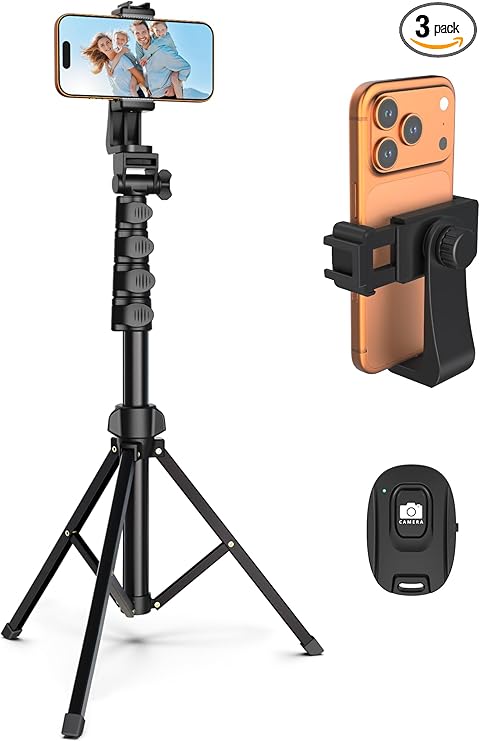
Recording your practice sessions reveals errors you can't feel in real-time. The mount keeps framing consistent across weeks, making progress comparison accurate instead of guessing.
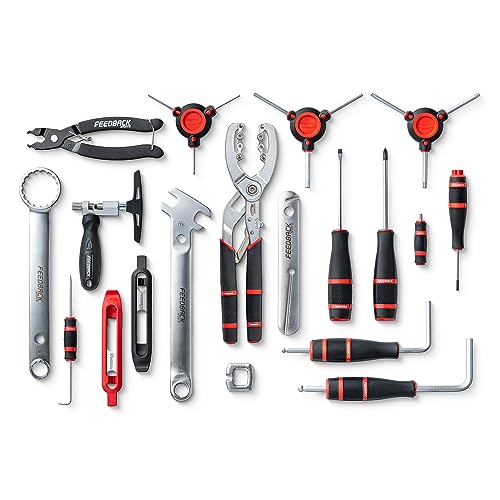
Removes subjective assessment from practice. You can't argue with a metronome showing you're rushing beats or a scale showing your portions are inconsistent by 40%. Objective feedback accelerates correction.
As an Amazon Associate I earn from qualifying purchases. Prices may change.
Step-by-Step Guide
Pick one measurable skill
Choose a skill with clear output you can record or count. 'Weld a clean bead' works. 'Be more creative' doesn't. Write down what you can and cannot do right now, then record yourself attempting the skill—this raw baseline footage becomes crucial around Day 40 when progress feels invisible.
💡 Pro Tips:
- • Avoid vague skills like 'leadership' or 'communication'—go specific enough that a stranger could judge your output
- • Your Day 1 recording will embarrass you later, which is exactly why you need it
Break it into 5-7 fundamentals
Every skill has building blocks. Guitar: finger positioning, rhythm counting, chord transitions, strumming patterns, fret clarity. Cooking: knife skills, heat control, seasoning timing, mise en place, tasting adjustments. List the components for your skill—these become your drill targets.
Structure your daily practice sessions
Spend 10 minutes on isolated fundamentals drills (one component, repetitive). Then 20-40 minutes of integrated practice combining components. End with 10 minutes documenting what worked, what didn't, and specific sticking points. Track time practiced and quality ratings (1-10 on specific criteria like accuracy percentage or execution speed), not feelings like effort or motivation.
Get weekly external validation
Every Sunday, post a clip in a relevant subreddit or Discord, message someone ahead of you, or use an app that measures objectively. No feedback means you're practicing in a vacuum. Every 10 days, increase difficulty—add speed, remove guides, combine more elements, introduce constraints.
💡 Pro Tips:
- • If you're practicing the same way on Day 35 as Day 5, you're doing reps, not building skill
Create 10 complete works (Days 70-100)
Shift from practice to production. Cook 10 full meals, play 10 songs, build 10 functional objects, write 10 articles. These must be complete works that demonstrate mastery, not exercises. The ability to produce original output is where skill becomes real.
Archive your progression portfolio
Save your Day 1 recording, Day 30 milestone, Day 60 checkpoint, and Day 100 showcase. This portfolio proves the system works—to yourself and others. Next skill you learn, you'll trust the process faster because you have evidence.
Gear Up for Your Quest
The gear that makes this quest work.
Pull it off

Interval Timer with Lap Function
Creates the practice structure that separates focused drilling from integrated work. The lap function lets you see exactly how long you spend on each component, revealing if you're avoiding your weak areas.
+ complete the kit — 3 more

Recording your practice sessions reveals errors you can't feel in real-time. The mount keeps framing consistent across weeks, making progress comparison accurate instead of guessing.
Stable mounting system for hands-free recording with wireless trigger
Get on Amazon · $23.99 — Tripod or Phone Mount with Remotedetails & deals →
Progress Documentation System
EssentialDaily logging creates the dataset that shows patterns. You'll notice Thursday practices are always weaker, or that 45-minute sessions hit diminishing returns, or that skipping fundamentals leads to sloppier integrated work three days later.
Spreadsheet template or dedicated skill-tracking app like Habitica, Notion template, or a physical training log

Skill-Specific Feedback Tool
RecommendedRemoves subjective assessment from practice. You can't argue with a metronome showing you're rushing beats or a scale showing your portions are inconsistent by 40%. Objective feedback accelerates correction.
Specialized equipment that provides objective measurement for your chosen skill (metronome for music, form analyzer for sports, precision scale for cooking, etc.)
Get on Amazon · $375.00 — Skill-Specific Feedback Tooldetails & deals →RELATED GEAR GUIDE
Gamify Your Life Kit: 6 Picks to Turn Days Into Quests
Field-tested picks · Personal Growth
As an Amazon Associate, IRL Sidequests earns from qualifying purchases at no extra cost to you.
Prices and availability are subject to change. The price shown at checkout on Amazon at the time of purchase will apply.
Editor's Picks
Hand-selected quests our team thinks you'll love

Random Side Quest Generator: Complete Guide to Spontaneous Adventures
Turn decision paralysis into roll-the-dice action.

Desk Reset Rituals for Screen Workers
Your screen blur isn't age—it's ritual deficit.

Build Your Domestic Confidence Toolkit
The difference between panicking when something breaks and calmly handling it yourself.